
Audience Behavior Analysis - Page 5
235 articles
Business Insider Shifts From News Aggregation to Original Reporting
A major digital publisher is moving away from aggregation to focus on exclusive journalism. The change signals a new era for online media as AI and algorithms reshape the industry. Will original content become the key to survival?

Why 1.4 Million Readers Choose to Pay The Guardian
Reader payments drive The Guardian’s growth, even without a paywall. Emilie Harkin explains how ownership, independence, and dissatisfaction with other outlets motivate support. The approach offers lessons for publishers seeking sustainable revenue.

What Newsrooms Can Learn From Paramedics?
Journalists often push past their limits, while other high-stress sectors like paramedics and the military have adopted aftercare and decompression practices. A recent event explored what newsrooms might gain from these approaches.

Fifa’s Halftime Show Experiment Divides World Cup Audience
A Super Bowl-style halftime show debuted at the 2026 Fifa World Cup final, featuring Madonna, Shakira, and BTS. The move sparked mixed reactions from fans and broadcasters, raising questions about the future of entertainment in global football.

Why Retail Media and DOOH Remain Siloed Despite Industry Consensus
Advertisers see strong potential in combining Digital Out of Home and Retail Media. Yet most campaigns are still planned separately. Strategic and technical barriers persist.

How Google and ChatGPT Use Facebook and Instagram in Shopping Answers
AI engines treat social platforms differently when answering buying questions. Google AI Overviews looks for local signals, while ChatGPT focuses on deals. Retailers dominate recommendations, not product brands.
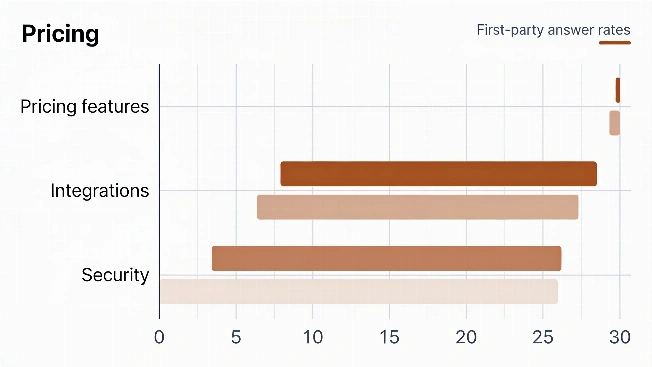
Why AI Agents Struggle With B2B Website Pricing
AI agents now handle a growing share of B2B web traffic, but pricing pages remain a major obstacle. New research reveals where agents get stuck, why third-party sources fill the gap, and what companies can do to fix it.

Liquid Content Is Reshaping How Newsrooms Publish Online
AI-driven platforms now repackage articles for users, bypassing publisher sites. Google traffic has dropped 33% globally. Publishers are shifting to liquid content and headless CMS to stay visible as AI overviews and browsers dominate news consumption.

Pew Research Reveals Four Distinct Types of Civic Engagement
A new Pew-Knight Initiative study groups Americans into four civic engagement profiles. The research highlights differences in political, social, and news participation. Age and party lines influence these patterns.

CTV Ad Strategies Shift Focus to Viewer Mindset and Context
Advertisers are rethinking CTV campaigns as audience mindset and context become key. Brands now look beyond scale, aiming for creative impact and high attention. Data from multiple devices is shaping new approaches.

YouTube Creators Drive Hollywood Hits but Face Industry Limits
Box office success from creator-led films is drawing Hollywood’s attention. Studios and investors are betting on creator IP, but traditional stars still dominate. The creator economy’s influence has clear boundaries.

CIMM Launches Task Force to Tackle Kids’ Media Measurement Gap
A new industry group is targeting the disconnect between how children use digital media and how advertisers track their behavior. Billions in ad spend and compliance risks are at stake. The initiative seeks to modernize measurement standards.

Why Live Sports Still Unites Audiences in a Fragmented Media Era
Personalized feeds and niche content dominate digital media. Yet live sports continues to draw massive, simultaneous audiences. Marketers and publishers are rethinking strategy as sports becomes a rare source of real-time, shared attention.

UK Proposes Voluntary Overnight Social Media Curfew for Teens
A new plan would set a default six-hour social media curfew for 16- and 17-year-olds in Britain. Autoplay features would also be disabled by default. Teens could override these settings if they choose.

Why First-Party Data Still Misses Its Full Potential in Ad Tech
Brands invest heavily in customer data, but most still use it only for retargeting and audience suppression. The real value comes from using first-party insights to identify and convert high-propensity customers.

Why I Returned the $3,000 Katalyst EMS Fitness Suit
A high-priced electro muscle stimulation suit promised faster workouts. Instead, it disrupted my routine and raised questions about efficiency in fitness. Here’s what happened after a month of use.

Retail Media Faces New Demands as Programmatic Matures
Retail Media’s infrastructure is ready, but advertisers now want proof of impact. Industry leaders say the next phase requires better data, smarter campaigns, and clear evidence for non-endemic brands.

Why Ad-Tech Needs a Transparent SSP Layer for LLMs
As users turn to AI models for recommendations, ad-tech faces new demands for transparency and value attribution. Franklin Rios says the industry must build infrastructure for LLM-driven discovery.

X Adjusts Algorithm to Prioritize Community Over Conflict
A recent algorithm fix on X may reduce exposure to unfamiliar accounts in replies. The change aims to make the platform less contentious and more focused on user communities. Engineers say the update could improve the overall experience.

IAB Forecasts 11% Growth in CTV Ad Spend for 2026
Digital video ad budgets are set to rise again. CTV spending is projected to reach $29.3 billion this year. Targeting and content quality remain top priorities for media buyers.

How Google Discover Tests Fresh Articles With Cold-Start Cards
A fleeting label in April 2026 revealed how Google Discover handles brand-new articles with no user history. The process highlights the challenge of surfacing timely news before engagement data exists.

OpenAI and Google Drive AI Media Into the Mainstream
AI-native advertising is moving beyond tests. OpenAI expanded ChatGPT ads and built new tools. Google unified its AI ad vision. Infrastructure and agency partnerships are accelerating.

Creator Economy Promises Freedom but Delivers Endless Work
Social platforms and brands promote creator independence. Behind the scenes, creators face nonstop demands from algorithms. The reality is far from the dream.

ChatGPT Drives Higher-Quality Phone Leads for Brands
AI-powered chat tools are sending more qualified callers to businesses. New data shows ChatGPT users are more likely to become leads. Phone calls remain a key step for high-intent buyers.

AI-Generated Flyers Flood Real-World Spaces, Readers Push Back
AI-designed flyers are showing up everywhere, from menus to billboards. Readers say the results are often confusing or off-putting. The backlash is growing as more communities notice the trend.

Ad Tech Moves From Audience Targeting to Real-Time Context
Digital advertising is shifting from static audience data to dynamic context systems. New AI-powered tools now interpret real-time signals for more relevant ad delivery. This change is reshaping how publishers and brands reach users.

Liquid Content Forces Publishers to Rethink Editorial Strategy
AI-driven platforms now repackage news, bypassing publisher sites. Liquid content adapts to each distribution channel. Publishers face major traffic and visibility challenges.

PayPal Ads Uses Cross-Merchant Data to Prove Retail Media ROI
Retailers want proof that ad spend drives results. PayPal Ads analyzes billions of transactions across merchants to answer CFO questions and show ROI for brands like Adorama and Best Buy.

Moana Audience Score Soars Despite Record-Low Critic Reviews
Disney’s latest live-action adaptation faces a major disconnect between critics and viewers. While professional reviews hit an all-time low, audience ratings on Rotten Tomatoes tell a different story. The film’s box office returns, however, may force Disney to rethink its remake strategy.

Audience Engagement Emerges as Key to Nonprofit News Survival
Nonprofit news outlets face new challenges as audience habits shift. Leaders at INN Days 2026 shared strategies for connecting with readers, especially younger generations. Algorithms and changing news demand are reshaping editorial priorities.
Page 5 by 8