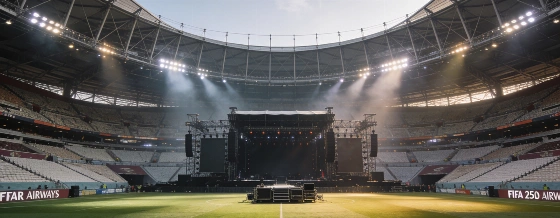
A Super Bowl-style halftime show debuted at the 2026 Fifa World Cup final, featuring Madonna, Shakira, and BTS. The move sparked mixed reactions from fans and broadcasters, raising questions about the future of entertainment in global football.
Fifa’s decision to introduce a Super Bowl-style halftime show during the 2026 World Cup final has immediate implications for media professionals, broadcasters, and rights holders seeking to balance audience engagement with commercial opportunities. The move, co-produced with Global Citizen, extended the traditional 15-minute break and brought high-profile acts like Madonna, Shakira, and BTS to the center of the world’s most-watched football event.
Live music at major sporting events is not new, but placing a standalone entertainment show inside the World Cup final marked a first for Fifa. The organization’s announcement in September 2024 signaled a shift toward blending sport and entertainment, a model familiar to American audiences but less common in global football.
Audience research conducted by Publicis Sport & Entertainment ahead of the tournament revealed a sharp cultural divide. Only 18% of UK respondents said they would actively watch the halftime show, while US respondents were more receptive, with 68% believing it could attract non-football fans and 57% saying it would make the final more exciting. Younger viewers in both countries showed greater interest than older generations, but overall anticipation lagged behind that of the Super Bowl.
Broadcasters in the UK reportedly considered skipping the performance in favor of extended analysis, but ultimately aired the show, cutting short their halftime commentary. Initial UK TV ratings showed no audience increase during the break, and some viewers tuned out, suggesting the show did not draw significant new viewers. Social media reaction was mixed, with many UK fans criticizing the concept and the extended 27-minute break, while others praised the execution. For many, the show neither enhanced nor detracted from their viewing experience.
Commercial considerations appeared central to Fifa’s strategy, as the halftime show created new advertising inventory and aligned with American entertainment culture. However, the move raised concerns among traditional football fans about shifting too far from the sport’s roots. The debate centered less on the quality of the performance and more on how far Fifa could push the World Cup toward an American-style spectacle without alienating its core audience.
Whether the halftime show becomes a permanent fixture will depend on how Fifa weighs commercial benefits against fan expectations in future tournaments.