A high-priced electro muscle stimulation suit promised faster workouts. Instead, it disrupted my routine and raised questions about efficiency in fitness. Here’s what happened after a month of use.
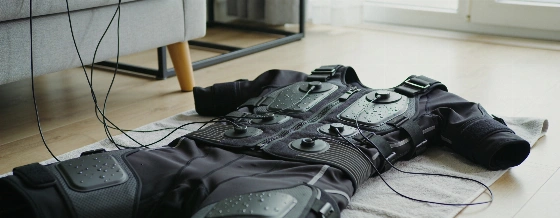
$3,000 Katalyst electro muscle stimulation (EMS) suit has generated buzz for its promise of ultra-efficient workouts. Promoted by celebrities and covered by major outlets, the suit claims to deliver the benefits of a two-hour strength session in just 20 minutes. But after a month of testing, I found the reality far more complicated-and disruptive to my established exercise habits.
Setting up the Katalyst suit is a process in itself. The vest, shorts, and arm straps must be thoroughly soaked to ensure conductivity, then assembled with cables and a battery pack. The experience is physically uncomfortable: the suit is wet, cold, and cumbersome. Once activated, the suit sends electrical pulses through the muscles while users follow basic movements via the app. The intensity can be adjusted on the fly, but even at moderate settings, the sensation ranges from tingling to a powerful, immobilizing jolt.
Katalyst’s marketing highlights endorsements from figures like George Clooney, who has credited the suit with significant muscle gains. Media coverage has echoed these claims, and some users on platforms like Reddit and YouTube report rapid muscle growth and improved body composition. However, the EMS market is fragmented, with inconsistent intensity metrics and a lack of standardization across brands. Katalyst is FDA-cleared as a Class II device, which allows it to be sold but does not equate to FDA approval for general use.
My own experience diverged sharply from the hype. Despite following setup instructions and adjusting settings, I developed persistent pins and needles in my hands and feet, numbness, and chills that sometimes lasted for days. These side effects interfered with my regular rowing and swimming routines, which I had hoped to supplement-not replace-with the suit. Attempts to resolve the issues with customer support were met with prompt responses and troubleshooting, but the problems persisted.
Experts remain divided on the value of EMS suits. Some researchers say EMS can be a time-efficient, low-impact option for certain populations, such as beginners or those with limited mobility. Others argue that EMS is not a substitute for traditional strength training and may even hinder proper movement learning. Critics have compared the Katalyst to earlier devices like the Relaxacisor, questioning its effectiveness and value.
Ultimately, the Katalyst suit did not fit into my fitness routine. The physical discomfort and disruption to activities I enjoy outweighed any potential efficiency gains. The experience forced me to reconsider the pursuit of optimization for its own sake and to focus on the intrinsic rewards of exercise, rather than chasing shortcuts.
Katalyst’s journey to market has not been smooth. The company changed ownership in 2025 after previous management failed to deliver on over 1,000 prepaid orders. Current leadership claims to have resolved inventory issues, but delivery delays and customer service complaints have been documented in user forums. While some users report positive results, my experience highlights the risks and trade-offs of adopting high-cost, high-tech fitness solutions without clear evidence of benefit.