Advertisers are rethinking CTV campaigns as audience mindset and context become key. Brands now look beyond scale, aiming for creative impact and high attention. Data from multiple devices is shaping new approaches.
As connected TV ad spending hit $45 billion last year and is set for continued double-digit growth, brands are moving quickly to adapt. The definition of campaign success is evolving, with advertisers now prioritizing creative impact, contextual relevance, and high-attention placements over simple reach.
Recent research from Rakuten TV shows that most advertisers are shifting toward a 'viewer-first' approach. This means ads must feel relevant, valuable, and seamlessly integrated into premium streaming environments. Audiences are more open to ad-supported streaming, but only when the experience feels tailored and non-intrusive.
Advertisers are seeking the unique blend of emotional resonance and digital precision that CTV can offer. However, Peter Wallace of GumGum argues that the industry’s current use of CTV data remains fragmented, often siloed by device or moment. He suggests that a broader perspective is needed-one that considers overlapping signals from multiple devices, behaviors, and shifting moods to better understand audience mindset.
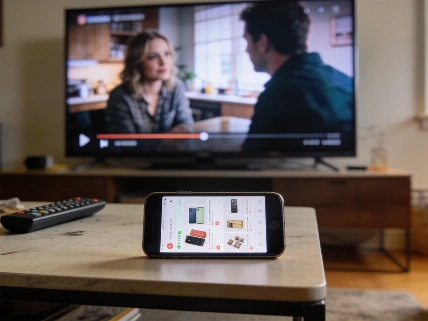
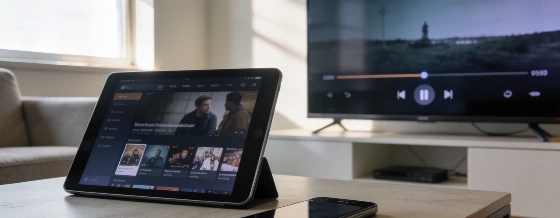
CTV viewing today is highly dynamic, with two-thirds of viewers using second screens while streaming. This creates a challenge: keeping pace with viewers’ emotional states to deliver the right message at the right time. Wallace notes that leading streamers are exploring ad stories that evolve alongside changing moods and conversations. To maximize this, data collection should begin before the TV is even turned on, since pre-streaming activities can significantly influence mood and receptivity.
For example, a person scrolling at 6pm before watching a sci-fi series will have a different mindset than someone tuning into F1 replays at 10am after work. Aggregating these signals can help advertisers better understand emotional states leading up to streaming sessions.
Understanding mindset after viewing is equally important. Different types of programming can have lasting effects on mood, from the social cohesion of reality TV to the relaxation of rewatching old favorites. Live sports, now a major driver of CTV reach, offer further opportunities for post-viewing alignment. Mindset data can help brands connect with the intense emotions that follow major events like international football matches or the Olympic Winter Games.
This approach requires looking at data points across the entire user journey, not just during the viewing moment. By analyzing behavioral and consumption habits, advertisers can create ad experiences more closely aligned with audience mindset. Interactive features such as scannable QR codes, trending carousels, or shoppable units can further enhance engagement.
Consolidating data from multiple devices and channels allows advertisers to build a more complete and accurate picture of their audience. This informs decisions about which creatives will resonate, and how to time messaging for maximum contextual impact. As highlighted in recent coverage of real-time context in ad tech, the industry is moving away from static data toward dynamic, holistic targeting strategies.
For this shift to succeed, brands and agencies must also change their own mindset. Treating data as static and channel-specific is no longer effective. Instead, advertisers need to follow the audience’s mindset journey across all touchpoints, using data as the connective tissue within and beyond CTV. The result: integrated campaigns that feel hyper-relevant and help brands maximize every dollar spent.