AI-native advertising is moving beyond tests. OpenAI expanded ChatGPT ads and built new tools. Google unified its AI ad vision. Infrastructure and agency partnerships are accelerating.
AI-native advertising is no longer just an experiment for digital media and publishing professionals. In Q2 2026, OpenAI and Google both made major moves that signal the arrival of a real market for ads in AI-powered environments, with new tools, infrastructure, and agency partnerships reshaping how brands reach audiences.
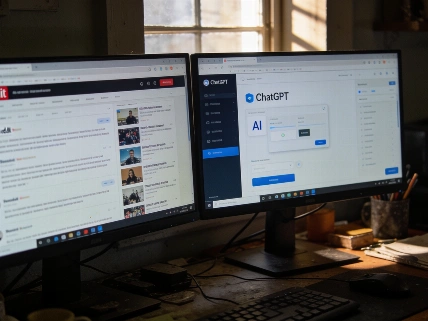
OpenAI accelerated its push into advertising by rolling out ChatGPT ads to eight countries just months after launch. The company focused on building essential ad business features, including a self-serve ad manager, conversions API, and CPC bidding. According to Sensor Tower data, retailers were the most active advertisers, but they promoted products rather than their own brands-suggesting that AI-driven shopping conversations may prioritize product relevance over retailer recognition.
OpenAI also encouraged agencies and advertisers to use its creative tools, such as Codex and workspace agents, to develop and manage ad assets. During a Cannes Lions briefing, the company demonstrated how these tools could streamline creative production for agencies. Executives emphasized that OpenAI now considers itself fully in the advertising business, but the next challenge is to move beyond experimental budgets by delivering unique ad formats, improved measurement, and end-to-end creative and media solutions.
The supporting infrastructure for AI media advanced rapidly in Q2. OpenAI formed partnerships with adtech and creative tech firms like Criteo, StackAdapt, Pacvue, Kargo, and Adobe, while major agency holding companies including Dentsu, WPP, Publicis, and Omnicom joined as partners. LiveRamp became the first measurement partner, highlighting the growing importance of first-party data and identity in AI-era marketing. Beyond OpenAI, the FIDO Alliance began developing standards for agentic commerce with Google and Mastercard, and Albertsons and Criteo started integrating sponsored products into conversational grocery search.
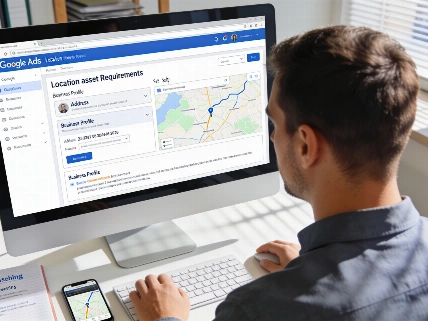
Google, meanwhile, clarified its approach to AI-powered advertising. At Google I/O, the company announced the integration of AI tools directly into the search box, calling it the biggest upgrade in 25 years. Google also introduced new ad formats in AI Mode, such as conversational discovery ads and highlighted answers, and expanded its Direct Offers test for travel advertisers. These moves outlined a vision where search and AI evolve together, with advertising embedded in conversational, agent-driven experiences across search, shopping, and video.
Looking ahead to Q3, industry observers expect AI ad formats to become more distinct, moving beyond traditional search replicas. OpenAI job postings hint at upcoming image, video, and interactive ad products. Attribution remains a challenge, with platforms working to improve tools that help advertisers understand the AI-driven customer journey. While more than 1,400 brands have already advertised on ChatGPT in the US, the key question is whether advertisers will continue after initial tests. Retailers like Amazon and Walmart are also deepening the integration of their AI search tools into shopping, though paid advertising in these environments has yet to be fully defined. Meta, despite its scale, has not yet delivered AI-native ad experiences that resonate with consumers.
For those tracking the evolution of AI advertising, the shift from experimentation to scalable infrastructure is clear. As noted in a recent analysis of agentic advertising's challenges, the industry is now focused on building systems that make planning, buying, and measuring AI media as seamless as other digital channels. The pace of change means media and publishing teams need to build institutional knowledge quickly as the market matures.