AI News Trust Lags as Use Surges Across Audiences
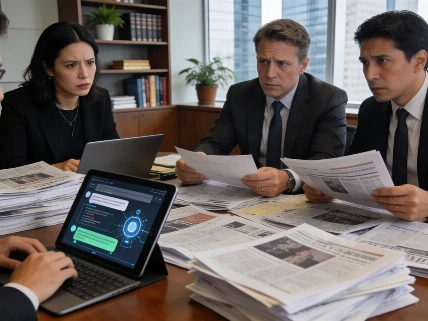
A 9-country Reuters Institute survey finds just 12% of respondents comfortable with fully AI-generated news. Human oversight lifts that share to 19%, while fully human reporting draws 67%.

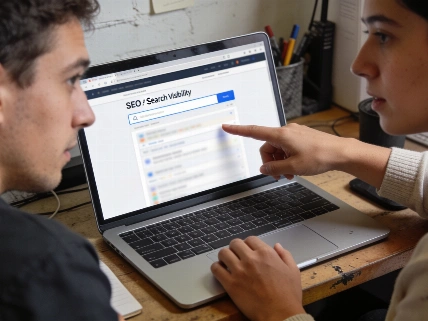
SaaS companies can improve search visibility with self-contained answers and original research, while tying content to the product. The playbook also covers integrations and gated research, with guidance on schema markup.
A first-page Google ranking does not ensure a link in an AI Overview. A March 2026 study found that 37.9% of cited pages ranked in the top 10, leaving law firms with technical and content gaps to investigate.
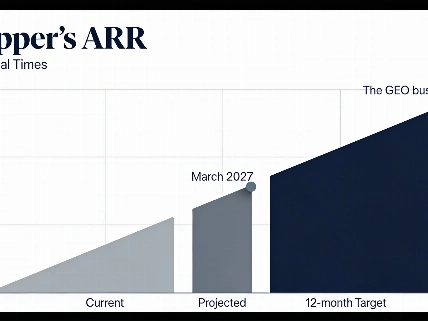
Pepper says its GEO business barely existed 18 months ago and is expected to top $10 million ARR shortly. The company reports more than 300% growth over that span and forecasts Rs 20 crore in EBITDA this financial year.
The 75% claim appears in marketing books and academic papers, but its supposed roots in Martin Lindstrom’s Brand Sense and Millward Brown research remain unverified. An Ohio State neuroscientist says emotion draws on all the senses.
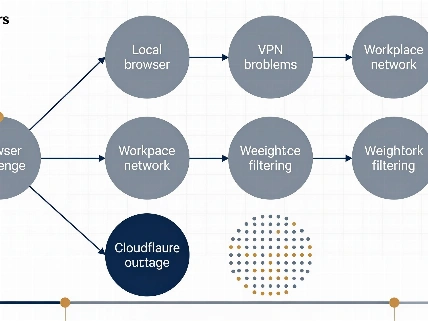
The prompt usually signals a failed browser check, not an account ban. OpenAI and Cloudflare point to outages, VPNs, browser settings or filtered work networks as common causes.
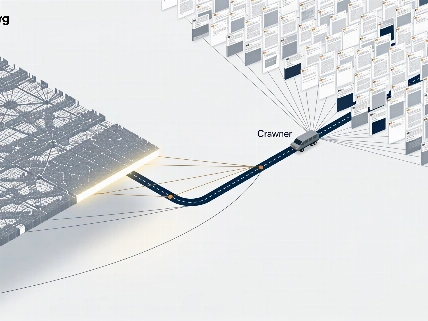
Pages with few links can still attract real visitors. Cloudflare says signals from a 1% network cohort helped OpenAI discover and index hundreds of millions of previously unknown pages for ChatGPT Search.
A service page can leave out details customers need to judge a business. JH SEO Agency is expanding AEO and GEO services while tracking visibility across ChatGPT and Google AI Overviews, without promising placement.
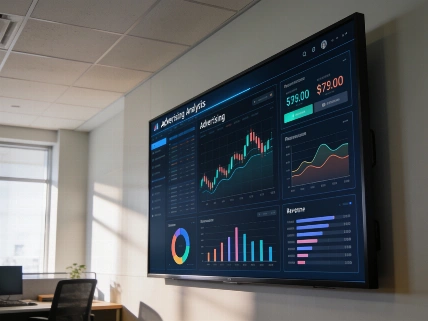
OpenAI says ChatGPT rose from 60,000 advertisers to more than 100,000 in 14 days and is expanding ad inventory into 26 countries. Its projections put the platform above 1 million advertisers by next September.
Client questions are shifting from search rankings to whether AI systems recognize their brands. The Cheltenham agency’s new service covers Google AI Overviews, ChatGPT, Gemini and Perplexity.
Police websites appeared in 95.9% of crime answers in Searchable’s study. Local news sources made up just 0.9% of sources ChatGPT used for local queries.
Publishers can ask plain-language questions about site performance as Raptive Compass analyzes earnings and RPM trends daily. Its Action Center recommends next steps, while an optional MCP connection lets eligible partners access Raptive data through compatible AI tools.
Google search referrals to news sites fell an estimated 40% year over year by October 2026, while AI chatbots still send publishers just 0.01% of traffic. The business is shifting toward loyal audiences, licensed access and reporting machines cannot reproduce.
ChatGPT and Perplexity could appear on a UK search-choice screen even as Google’s Gemini remains outside the CMA’s search rules. Publishers say credit alone cannot replace consent or payment.
Companies can seek editorial mentions in buyer guides and comparison pages through Only Listicles’ new service. The agency says placements may support AI search visibility, though they do not guarantee inclusion in generated results.
Pages buried outside popular link networks can still answer specific questions. A pilot covering about 1% of Cloudflare’s network helped OpenAI add hundreds of millions of previously unknown pages to its search index.
Third-party rank trackers face apparent fake data from Google, while paywalls make access harder. The weekly recap follows Gemini 4 Argon’s expansion into AI Mode and a new round of Google Ads changes.
Click Intelligence is adding AI-focused link building and audits to its SEO offer. The Cheltenham agency says the work aims to help brands appear across AI-powered search.
404 Media’s test found that ChatGPT ads can use uploaded contact lists and Android advertising IDs for audience matching. Conversation topics may also guide placement, though OpenAI says advertisers cannot see which individuals matched.
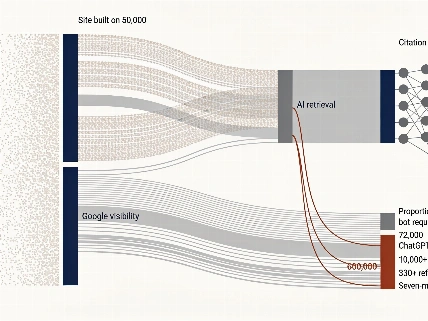
Google visibility collapsed, but ChatGPT kept retrieving pages built on invented numbers. The creator found links from outside publishers and citations in research, raising questions about how AI search handles unsupported statistics.
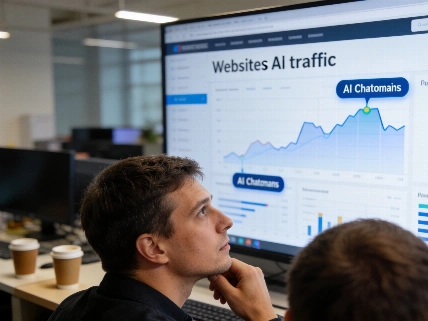
AI chatbots now send only a trickle of visitors to news sites, and the numbers rarely add up. Publishers need to rethink analytics, content, and access if they want to get real value from this new channel.
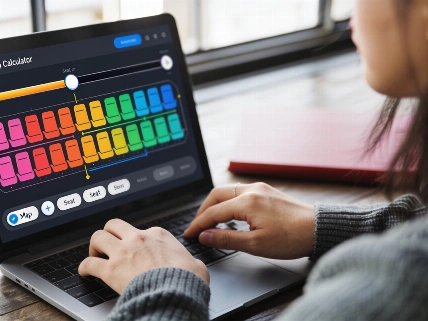
OpenAI’s Intelligent UI, powered by GPT-6, lets ChatGPT create custom diagrams, calculators, and seat maps for paid users. Free users began getting access next.
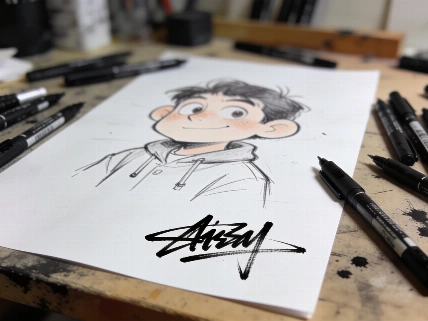
AI tools are churning out New Yorker-style cartoons and slapping on real cartoonists' signatures. Artists say this is a step too far. OpenAI has started blocking some prompts, but the problem hasn't gone away.
AI shapes more shopping choices than ever, but trust issues remain. New Razorfish research shows how US buyers use AI-and where doubts linger.
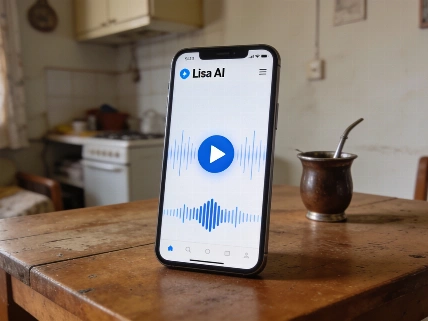
A free AI-powered app has topped Argentina’s news-app charts. Two 23-year-olds built Lisa to deliver personalized audio briefings without ads. Its approach reflects changing ways young audiences access journalism.
A coalition of top news organizations is seeking summary judgment against OpenAI and Microsoft, accusing them of massive unauthorized copying to fuel AI products. The case exposes the high-stakes battle over the future of journalism and AI.
OpenAI is doubling its support for local newsrooms using AI. The Lenfest Institute will now place full-time AI engineers in more outlets, including TV and public service journalism.
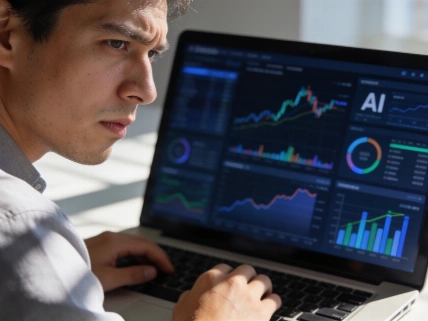
Opaque data and shifting AI answers are eroding trust in AI tracking. Rand Fishkin lays out five reasons publishers and marketers should question current analytics claims.
AI now decides which restaurants get found. A new study shows most quick service spots are invisible in AI recommendations, even if they show up on Google.
AI tools churn out news summaries in seconds, but mistakes and fakes are everywhere. Publishers now spend more on real reporting and verification to keep up.