AI Now Edits Nearly 10% of Web Content
A new Pew Research Center report says almost one in ten web pages are now written or edited by AI. The real challenge is measuring how much of this content is actually meaningful.


Monthly referrals from ChatGPT to B2B sites have soared. Demandbase data shows a sharp increase, but the share of total traffic remains small. The quality and impact of AI-driven visitors are still debated.
Advertisers across Europe will soon have access to ChatGPT Ads as OpenAI rolls out its conversational ad platform in 31 new markets. The move opens a high-intent channel for brands, with campaigns managed by OpenAI partners before self-service access launches later this summer.
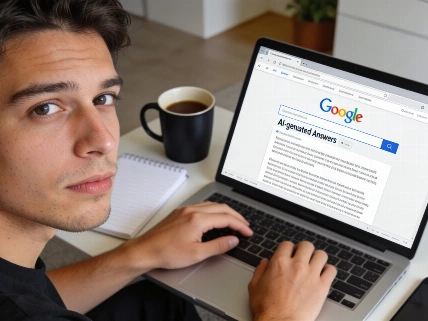
User behavior is shifting as AI-generated responses in Google search results surge from 15% to 43% in one year. Publishers face mounting traffic losses as more queries are resolved without site visits. New data reveals how this trend is accelerating.
AI-generated expert testimony surfaced in a major Houston explosion lawsuit. ChatGPT was used to draft a report defending 3M. The case raises new questions about AI in legal proceedings.
Attribution is getting harder as privacy rules tighten. Open-source marketing mix modeling tools are now more accessible, with AI making them usable for non-experts. Marketers face new opportunities and risks.
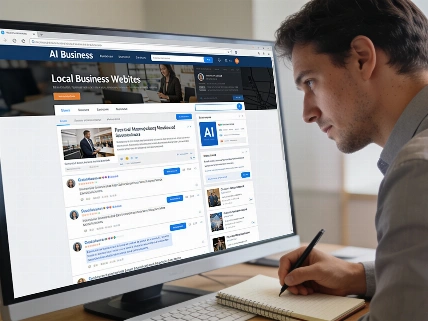
AI now verifies and recommends local businesses, shifting the burden from customers. Brands must connect location data, context, and intent to earn trust and visibility. Discover the five steps to thrive in the Local 5.0 era.
A new study reveals nearly 60% of Gemini’s local AI search citations go to business websites, far surpassing directories and forums. However, repeated queries rarely yield the same results, raising questions about AI consistency.
AI is changing how agencies work with advertisers. Bob Lord of Horizon Media says transparency and performance-based pay are replacing old models. Agencies that resist risk falling behind.
Publishers are seeing new revenue as AI crawlers face stricter blocks. Cloudflare’s default bot restrictions are changing how content is licensed and monetized. Pay-per-use models and new tracking tools are reshaping negotiations.
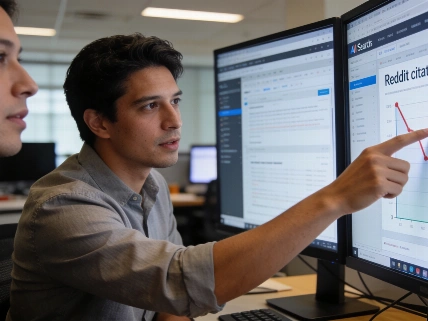
A sudden drop in Reddit’s presence among ChatGPT Search citations has been recorded, with its share falling from 3.83% to just 0.52% in mid-August. The shift, tracked by Promptwatch, highlights how quickly AI platforms can alter their source preferences.
A recent AI-driven breach exposed critical security gaps in major tech infrastructure. Greg Brockman urges companies to overhaul defenses before new AI models empower attackers. The window to act is closing fast.
A Connecticut plaintiff embedded secret AI instructions in legal documents. The court discovered the hidden text and issued a sanction. The case highlights new risks for legal workflows as AI tools intersect with official filings.
A new AI beat is coming to The New York Times Science desk. Cade Metz will lead coverage of artificial intelligence’s impact on scientific research and discovery.
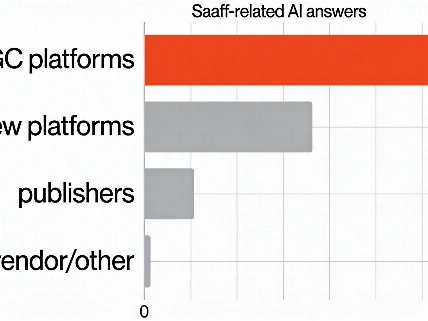
AI platforms now cite user-generated content more than review sites or publishers at every stage of the SaaS buyer journey. New data reveals why community signals are critical for brand authority-and why most marketers are missing out.
Small and midsize businesses may soon have access to ChatGPT ads in Europe. OpenAI is building a dedicated SMB ad unit and testing new formats, a rollout that could change how companies reach buyers at basic decision points.
A new technique lets experts extract concealed reasoning steps from leading AI models, raising concerns about information leakage and similarities between US and Chinese systems. The vulnerability has already prompted major providers to update their APIs.
Advertisers report that many ChatGPT ads appear off-topic. Data shows low sign-up rates and uneven ad delivery. Only a small share of ads cite sources. Marketers face challenges with targeting and conversions.
Consumers now use AI, Google, Reddit, YouTube, and brand sites to resolve uncertainty at every stage of their search journey. New research reveals why confidence-not just visibility-drives modern search behavior.
Marketers can now buy ads on ChatGPT, but key measurement and attribution tools are missing. Adoption remains cautious as transparency concerns persist. Experts say the platform’s impact is still unclear.
A major AI-powered reference site has quietly stopped updating. Human and AI edits have both stalled. Millions still visit, raising concerns about outdated content.
Nearly half of WPP's revenue now comes from its media division. The company disclosed new figures in its latest earnings report. Creative and production units made up the rest.
Despite billions invested and rapid technical progress, AI agents remain largely unused by everyday consumers. Industry leaders say the tech world must shift focus to products people actually want, not just impressive demos.
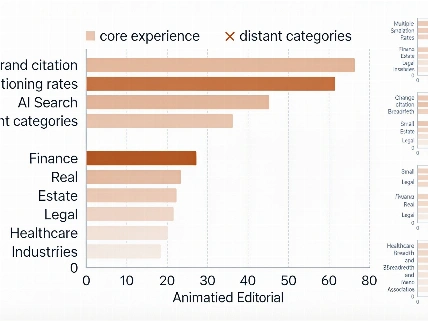
AI search engines often cite brands across a wide range of topics, but only recommend those with proven authority in specific categories. New research using Semrush data reveals how repeat mentions, not just citations, drive true visibility-and why this effect varies by industry.
Marketers often overlook paid search accounts when planning for AI-driven visibility. Existing ad data, product feeds, and landing pages can directly influence how brands appear in ChatGPT, Google’s AI Overviews, and Microsoft Copilot. Here’s how to leverage what you already have.
AI agents now read your website’s accessibility tree, not just the HTML. Learn how to uncover hidden rendering issues, improve site structure, and remove obstacles that block AI understanding. See why accessibility audits matter for SEO in 2026.
Multi-location brands face new challenges as AI platforms reshape search, social, and reputation management. SOCi introduces the F.A.C.T.S. model-Freshness, Authority, Consistency, Trust, and Semantic Relevance-to help marketers boost visibility and accuracy across digital channels.
A select group of creators attended a high-end OpenAI event in New York. The trip drew sharp online criticism over AI’s environmental and ethical footprint. Influencer posts from the retreat fueled debate about tech marketing and responsibility.
A new IAB framework aims to help brands and publishers track how visible they are in AI-driven search results. The guidelines address inconsistencies in current measurement tools. Standardization could impact organic traffic and licensing.
AI search and GEO strategies often focus on visibility, but revenue-driven teams need a different approach. Learn which content and technical changes actually move the needle for sales, and why tracking the right metrics is critical.