AI-generated expert testimony surfaced in a major Houston explosion lawsuit. ChatGPT was used to draft a report defending 3M. The case raises new questions about AI in legal proceedings.
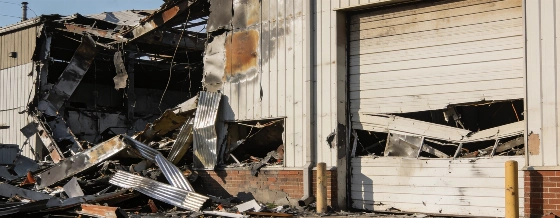
Houston lawsuit - it was revealed that an expert witness used ChatGPT to draft most of his report defending 3M in a deadly explosion case. The $61 million trial, centered on a 2020 blast at Watson Grinding that killed three people and destroyed around 200 homes, has exposed the growing role of AI in courtroom evidence and expert testimony.
According to court records and deposition documents reviewed by 404 Media, Josh Autenrieth of Knighthawk Engineering was hired by 3M to prepare an expert report on the explosion. During discovery, plaintiffs’ attorney Will Moye uncovered a five-page document called “Citation Overlay,” which appeared to be generated by ChatGPT. Moye demanded all related AI prompts, resulting in the release of 350 pages of ChatGPT conversations Autenrieth had while preparing his analysis. These records showed that Autenrieth asked ChatGPT to help him create a report that would “show how 3M is 0% at fault for the explosion at Watson Grinding.”
The released conversations detailed how Autenrieth instructed ChatGPT to counter opposing expert claims, identify violations of working standards, and review hundreds of attached court records. ChatGPT produced a 30-page draft, including a statement that 3M was “0% responsible” for the explosion-language that was later revised after ChatGPT itself flagged it as vulnerable to legal challenge. Autenrieth also used ChatGPT to identify gas detector models, edit report drafts, and even grade his own work. He admitted in court that the final report submitted was “90 to 85 percent ChatGPT.”
During trial, Moye argued that Autenrieth relied almost entirely on AI to form his opinions and write the report, with prompts designed to favor 3M’s defense. Autenrieth maintained that his expertise and experience informed the report, but acknowledged using ChatGPT extensively, sometimes while “sitting in traffic” to jog his memory about technical details. The court learned that 3M paid Knighthawk Engineering about $90,000 for the analysis, with Autenrieth billing at $475 per hour.
The case highlights the discoverability of AI-generated work in litigation. Moye said that lawyers should be aware that AI prompts and transcripts can be subpoenaed, and that the use of AI in expert testimony may raise questions about credibility and bias. Previous international cases involving AI-generated evidence have seen such material dismissed by courts, with judges emphasizing the need for expert opinions to come from individuals with verifiable qualifications.
The jury ultimately awarded more than $61 million to the plaintiffs, assigning 30 percent of the responsibility to 3M and 70 percent to Watson Grinding. Earlier decisions in related cases had awarded $118 million and $38 million to victims. Knighthawk Engineering, Autenrieth, and 3M did not respond to requests for comment from 404 Media.
3M, a multinational conglomerate founded in 1902 and headquartered in Minnesota, reported net sales of $32.7 billion in 2023. The company operates in over 70 countries and employs approximately 92,000 people worldwide, with a diverse portfolio spanning industrial, safety, and consumer products.