The New York Times marks 175 years of advertising power
The New York Times is reviving seven historic ads in a new campaign, showing how brands and journalism have changed together over nearly two centuries.
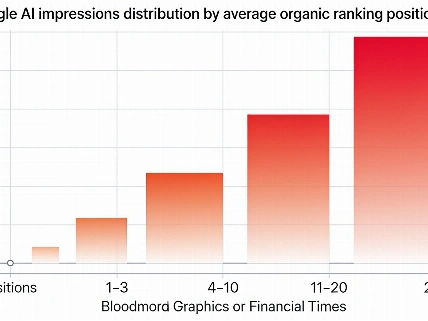

High organic rankings alone won’t put your pages in Google’s AI Overviews or AI Mode. New Search Console data shows brand reputation and content usefulness matter more.
Media sites are losing millions of visitors as AI tools summarize articles. Brown Brothers Media is buying up failed outlets to fuel automated content mills.
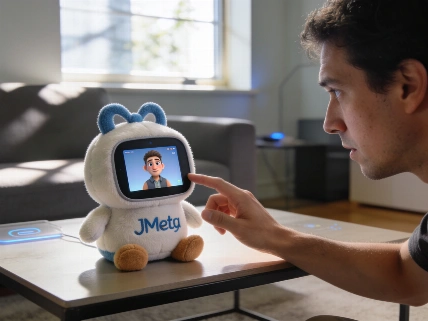
A plush mascot named Jolly fronts Meta’s Muse AI agent, restricted to users 18 and older. The toy-like design is drawing scrutiny from youth advocates and privacy experts who warn it could disarm users and obscure surveillance risks.
Financial Times Group has broken new ground. With over 3.5 million paying users and a sharp jump in operating profit, the company is rewriting the rules for digital news.
Opaque data and shifting AI answers are eroding trust in AI tracking. Rand Fishkin lays out five reasons publishers and marketers should question current analytics claims.
Discover’s traffic is a rollercoaster-big surges, then nothing. Publishers hoping for steady growth get a wake-up call as Google’s feed lifts mass-appeal stories and leaves B2B projects in the dust.
Microsoft Copilot now lets advertisers automate campaign planning and creative work with new agentic AI. The update takes aim at Meta’s Muse and promises to speed up daily tasks for brands and agencies.
Saturday Night Live took aim at Anthropic CEO Dario Amodei and the AI sector’s disaster talk. The sketch’s sharp humor exposes the industry’s tangled messaging.
A Boston Globe Magazine story about a Western Massachusetts lesbian bar’s mask rules brought in thousands of new subscribers in just three days, showing the pull of sharp local reporting.
US brands now have a direct shot at major anime franchises. Dentsu’s new deal with Kodansha changes how publishers and advertisers can reach anime fans.
When Hurricane Helene knocked out power and cell service in North Carolina, newsrooms were thrown into chaos. Now, a new site gives local outlets the tools and checklists they need to keep reporting during disasters.
Pixel 11 owners in the US can now let Gemini make business calls, handle phone menus, and transcribe calls live. The feature is in beta, needs a Gemini subscription, and marks a shift in how people use AI for real conversations.
AI now decides which restaurants get found. A new study shows most quick service spots are invisible in AI recommendations, even if they show up on Google.
A 103-year-old media group is turning to intellectual property and niche events to find new readers. Can this strategy keep journalism strong and help the business grow?
More than half of retail marketers are raising their holiday ad budgets for 2026. Most campaigns will go live by November, with October leading the way.
Citi is letting brands target people based on what they actually buy. The bank says its pilot campaigns gave brands a 15% boost.
AI tools churn out news summaries in seconds, but mistakes and fakes are everywhere. Publishers now spend more on real reporting and verification to keep up.
For 48 hours, The Drum turns its London newsroom into a live, open editorial floor. Industry guests join meetings, stories go out instantly, and the agenda shifts with every debate.
AI could push media measurement into a new era or make old problems worse. Omnicom Media’s Ben Hovaness says the industry must act now or risk a crisis of trust in its data.
Marketers are sticking with agencies longer, but hourly fees are fading fast. New WFA data shows a sharp move toward paying for results, not time.
Google Ads now gives advertisers a single dashboard to track the full customer journey with AI Max. Unified reporting is live, AI Brief expands to more languages, and legacy ad formats are on their way out.
Nestlé has picked WPP to build and run an AI-powered content operation for all its brands in Greater China. The deal covers more than 35,000 assets a year and marks a new push in digital marketing scale.
Google’s new pay-per-value pilot offers direct payments for AI use of publisher content, but many in the industry see more risk than relief.
Giant notes on a Salford estate and a wild fountain on London’s South Bank are Channel 4’s latest moves to get people talking. Katie Jackson explains why sparking conversation now drives the network’s marketing.
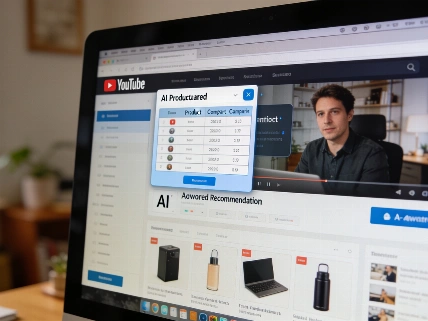
YouTube is rolling out smarter shopping tools. Viewers now get instant product suggestions and follow-up questions right on the video page, powered by AI.
AI content and shrinking budgets are putting real journalism at risk. This week, newsrooms in more than 100 countries are working together to show how facts are checked and why trust matters.
Lifesight has released its Horizon forecasting engine as open source. Marketers can now inspect and test the code and benchmarks behind its demand predictions.
SQREEM’s new CEO is pushing behavioral modeling over language AI. The company says its system shows what people actually do, not just what they say.
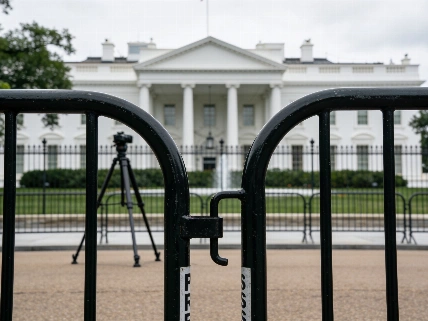
A federal lawsuit over White House press bans lands just as Xi Jinping visits. Trump’s media crackdown now shapes coverage of a major diplomatic moment.