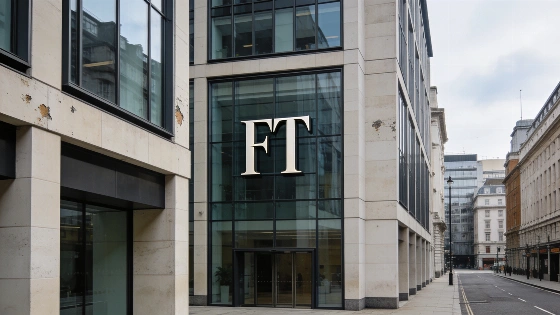
Financial Times Group now counts about 3.5 million paying users worldwide. In 2025, the company pulled in record revenue of £713 million. These numbers come straight from an official FT Markets announcement. Operating profit jumped 23% to £51.8 million. This is not business as usual. The FT has found a way to turn digital readers into real revenue at scale.
Financial Times Group reported an adjusted EBITDA of £141.5 million for the 2025 financial year, with results covering the period ending June 30, 2026.
UK filings for Financial Times Ltd show the main FT newsbrand reached 1.62 million paying readers in 2025. Digital subscribers climbed to 1.47 million, both up 9% from the year before. The FT now says this total has reached 1.9 million. These are not just headline stats. Individual subscriber revenue rose 7% to £116 million. The average subscriber is now worth £412 a year, up from £400.
Advertising is not dead. In fact, FT Commercial posted its best result since 2012. Print and digital ads together brought in £134.6 million, up 5%. Digital advertising topped £70 million for the first time. Print ads still matter, adding £63.7 million in high-margin revenue. CEO Jon Slade credits steady digital ad growth and the lasting value of print. The numbers back him up.
Independent industry analysis confirms that FT Group's revenue rose by 5% year-on-year in 2025, with digital subscriptions driving a 9% increase in paying readers and operating profit reaching £51.8 million.
The FT’s specialist brands also saw gains. The Banker and other titles grew revenue by 7%. Endpoints News, bought in 2023, posted a 19% revenue jump in 2025. FT Strategies, the group’s consultancy, brought in nearly £12 million. That is down from almost £15 million the year before. FT Ventures, the investment arm, rounds out a revenue mix that now leans hard on recurring digital income.
One thing is clear. The FT’s focus on direct audience relationships is paying off. Slade says most site traffic and revenue come from users who seek out FT journalism. The company does not rely on third-party platforms or algorithms. This has shielded the business from tech shocks and outside changes. The FT keeps control of its revenue stream.
For digital publishers, the FT’s playbook is simple. Build direct subscriptions. Invest in high-value events. Keep a balanced ad business. The FT has grown both digital and print revenue while expanding its global paying audience. Legacy brands can still lead in digital news. But they need to own their audience and diversify their products.
The Financial Times is 137 years old. Nikkei, a private Japanese company, has owned it since 2015. Nikkei does not publish global FT financials. These internal numbers give the clearest look at the brand’s health. The FT Group now includes 17 specialist brands, a strong events business, and a consultancy arm. All of these helped drive record results in 2025. For more, see the full report at pressgazette.