UK Ad Recovery Puts Measurement Under Pressure
The IPA’s Q3 2026 survey found the net balance of companies increasing total budgets reached +14.3%, up from +6.9% in Q2. Advertisers still want proof that added spending drives growth.


Meta narrowed its commercial terms to advertising and business products. Legal experts say the revised wording still leaves room for broad website scraping, and business accounts cannot opt out before October 30.
Click Intelligence is adding AI-focused link building and audits to its SEO offer. The Cheltenham agency says the work aims to help brands appear across AI-powered search.
Reach says its logs recorded well over 100 million successful scrapes in six months. It has sent OpenAI a cease-and-desist letter while building a paid licensing deal with Google.
The Oct. 20 launch gives CNN its first overseas test for All Access. The plan also lets advertisers reach logged-in subscribers.
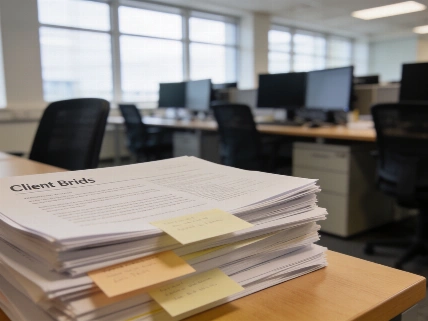
A newsroom veteran now leads a commercial editorial team that hunts for stories in client briefs. Editors alone decide what gets published.
A new Pew survey shows global skepticism about social media’s effect on democracy is rising fast. In several countries, negative views now match or exceed US levels.
Financial Times Group has broken new ground. With over 3.5 million paying users and a sharp jump in operating profit, the company is rewriting the rules for digital news.
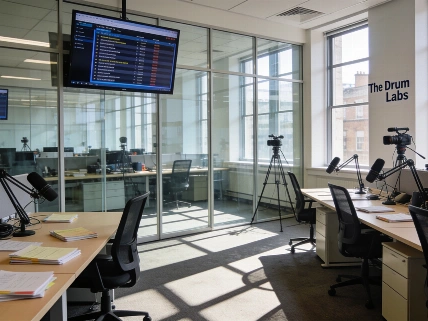
For 48 hours, The Drum turns its London newsroom into a live, open editorial floor. Industry guests join meetings, stories go out instantly, and the agenda shifts with every debate.
Giant notes on a Salford estate and a wild fountain on London’s South Bank are Channel 4’s latest moves to get people talking. Katie Jackson explains why sparking conversation now drives the network’s marketing.
A flood of bot traffic forced News UK to rethink its defenses. With one in five visits coming from bots, the publisher now blocks 6 percent of all hits. Here’s how AI and scraping are changing the game.
Specialist publishers in the UK now have a new route to premium ad budgets. Ozone’s deal with Content Ignite could change how smaller media outlets earn from quality audiences.
Meta is suing UK media regulator Ofcom to stop new rules that would force WhatsApp and Instagram to open up more and give users more control.
Subscriber growth outpaces print decline at Newsquest. Digital revenue jumps while staff cuts hit sales and editorial. BBC competition and AI adoption drive new strategies.
Reuters replaces Getty as the exclusive licensing partner for ITN’s vast news archive. AI-powered search and richer metadata promise faster, more reliable access for publishers and creators.
Major brands and agency leaders face off in London as The Drum Live 2026 opens its newsroom to the public. Attendees shape the editorial agenda and challenge industry orthodoxy.
The BBC is exploring a new approach to content recommendations, focusing on civic value rather than just engagement. This could change how audiences find and contribute to media, as commercial platforms face increased scrutiny.
Bot traffic now surpasses human visits online. New US and UK bills target stealth bots that scrape content and disrupt publishers. Industry leaders urge global action to restore transparency.
A single multilingual app now delivers BBC World Service content to global users outside the UK and US. The move aims to streamline mobile access and future updates for non-English audiences.
Brands and agencies can now access News UK readers face-to-face. The new Nucleus Panel promises faster, actionable marketing insights. Marketers get structured sessions to test ideas and messaging.
Traditional news outlets are losing audience and revenue. News creators are capturing attention, especially among younger users. The latest Reuters report reveals how these influencers are changing news consumption.
Publishers in the UK are enforcing new contracts to charge AI companies for unauthorized use of their content. Legal action and asset seizures could follow if payments are not made. Industry groups support the move.
Digital revenue for UK publishers fell in early 2026. AI-driven changes in audience habits and referral traffic are reshaping the business. Display advertising remains a rare bright spot.
A shift to fewer towns and premium ads is set to bring Nub News its first profit. The publisher expects £7,500 in profit for 2026 after closing 17 locations and focusing on sustainable growth.
A BBC Northern Ireland journalist received £20,000 in damages after MI5 and police unlawfully obtained his call records. The case highlights risks to source protection and press freedom.
Content creators and digital professionals gathered at Google’s UK office for a summer celebration dedicated to Google Gemini. The event featured networking, AI discussions, and lively social moments, all captured in photos and videos.
A streamlined daily newsletter model has brought The Knowledge over 13,000 paying subscribers. The editorial team credits focus and simplicity for its rapid growth and industry recognition.
Major publishers are shifting from quantity to quality. Hearst UK now requires journalists to justify every article. The Telegraph has trimmed its newsletter lineup to focus on engagement and subscriber growth.
AI-driven features are transforming Google Search and Discover, challenging publishers to adapt. Nicola Agius of Reach PLC explains how newsrooms can respond, what’s changing in the SERP, and where new opportunities are emerging.
Reader payments drive The Guardian’s growth, even without a paywall. Emilie Harkin explains how ownership, independence, and dissatisfaction with other outlets motivate support. The approach offers lessons for publishers seeking sustainable revenue.