On Oct. 12, Reach announced a deal giving Google paid access to expanded rights over its UK and Ireland news portfolio for the News AI pilot. The agreement covers Reach content in experimental AI features, and the companies will explore how those features could engage audiences. Reach called it a commercial partnership in its announcement of the Google deal. It puts a paid structure around the use of Reach’s material as the publisher presses other AI firms to negotiate.
Reach is taking a different approach with OpenAI. It says it has sent the company a cease-and-desist letter. CEO Piers North described it in an interview as the next stage in the legal process.
The OpenAI dispute
Reach says its access logs show well over 100 million successful scrapes across its portfolio over the past six months. That figure comes from the publisher and has not been independently verified. It is not a count of documents used to train AI models, nor does it confirm how much content OpenAI used. North said Reach has posted restrictions on scraping, but increasingly sophisticated crawlers make it hard to distinguish scraping from other bot traffic. Those crawlers can also be hard to tell apart from human visits.
North said Reach can see OpenAI’s bots repeatedly accessing its content. The publisher says AI companies need permission to use that material, with a cost and structure agreed in advance. Reach is willing to help AI firms grow, he said, if they recognize the value of the content they use.
Reach is in discussions with Amazon and Google. North also named Meta, with which Reach already has a relationship. Microsoft has an existing relationship with the publisher, too. He said Reach does not have the same relationship with OpenAI and wants to bring it to the negotiating table.
What Google gets
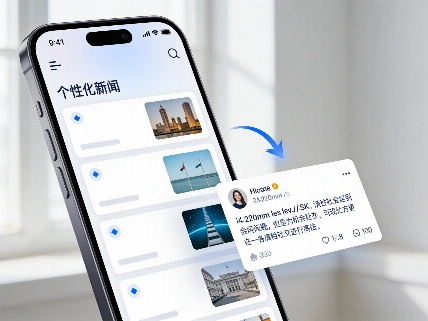
The agreement lets Google use Reach content in experimental AI features and other ways of delivering news. Google has described examples from the pilot, including in-depth overviews on publisher pages in Google News and audio briefings. Those features would include attribution and links to original articles. The companies will test whether they help engage audiences. Digiday understands the agreement has a two-year term. North called it time-limited and said the parties will discuss renewal.
Google says more than 200 publications worldwide have joined its news AI pilot. In an Oct. 15 update, the company said participation had grown to more than 400 publications worldwide. Google describes the program as a licensing arrangement that pays participating publications when their enhanced content is delivered and used to develop new AI features. The company also runs Google News Showcase. A separate pay-per-value AI contribution pilot is aimed at smaller publishers. Both programs are distinct from the Reach agreement.
Reach has not disclosed the deal’s payment structure. North said the two sides are still working out the value of the content, leaving the financial return difficult to assess.
Testing the model
North described the deal as a way to set rules for future partnerships and learn how the content performs. Reach will be able to see how its material is used, he said. Google gets licensed access, while the pilot tests whether AI features can lead audience engagement.
The agreement does not establish a direct replacement for referral traffic. Asked whether licensing can make up for lost referrals, North said publishers cannot simply match each lost pound with a pound from a licensing deal. Different publishers will make different choices, he said, and the Google agreement is right for Reach at this point.
The distribution problem runs alongside the licensing questions explored in FAYFO’s report on publisher strategy. North said Reach sees the Google agreement as the first of a number of deals it expects to pursue.