Reach Bets on Live Experiences to Extend Trusted Brands
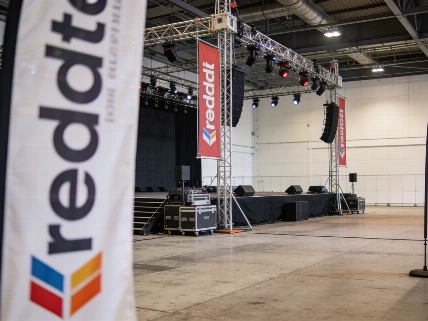
Reach plc is launching a new events division to turn editorial brands into live experiences for advertisers. The company aims to prove these connections can become repeatable products.


A new plan would set a default six-hour social media curfew for 16- and 17-year-olds in Britain. Autoplay features would also be disabled by default. Teens could override these settings if they choose.
Ad supply on publisher sites dropped sharply in Q2 2026. AI-driven, zero-click search reduced open web traffic. Higher eCPMs helped offset lost ad volume, especially in the UK.
Facing a sharp decline in Google referrals, Hello! Magazine unified data from multiple platforms to regain audience growth. The publisher focused on editorial independence and cross-channel performance.
Britain's competition authority is considering new rules that could let app developers direct users to alternative payment methods. The move aims to reduce fees and increase competition in the UK app market.
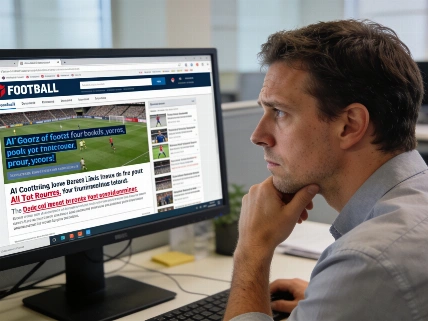
Established football websites are publishing AI-written stories with errors and fabricated quotes, while promoting gambling content. The cases have raised concerns about affiliate marketing and editorial standards.
A left-leaning UK publisher has paused its daily print run after its bank account was closed, delaying staff payments and leaving the company facing financial uncertainty. The publisher is seeking donations and support.
Google’s AI-generated search summaries have surfaced sensitive suicide details prominently in search results. Mental health organizations say the information conflicts with reporting guidelines, raising questions about editorial standards for AI content.
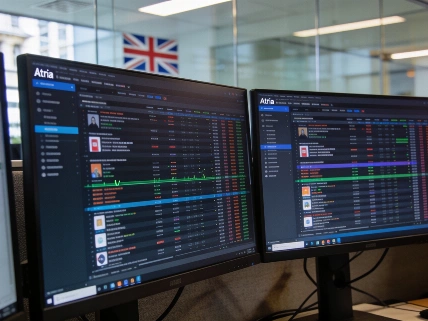
Six major UK publishers have formed Atria, a collective to control and curate their ad inventory. The move aims to offer advertisers high-quality, able to grow options while addressing challenges from programmatic advertising and changing web standards.
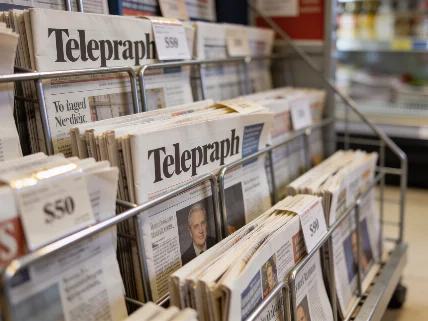
Retailers are frustrated as Telegraph Media Group delays profit margin adjustments. Cover prices are rising, while independent sellers must wait for higher returns. The move raises questions about trust and business viability.
Eight grassroots music venues across the UK will be spotlighted this summer. The Independent and Music Venue Trust are providing editorial coverage and advertising support. Each venue receives £5,000 in advertising and promotional assets.
The Sun has settled a libel case after falsely linking actor Qasim Akhtar to extremism. The UK tabloid apologized and agreed to pay damages and legal fees, while pledging not to repeat the allegations.
The UK B2B tech publisher has nearly tripled its newsletter audience through its purchase of a US rival. The deal adds a new editor-in-chief and puts commercial growth in sharper focus. Sponsored content now accounts for most revenue.
A monthly print magazine called The Static is launching for professionals in media, advertising and design. It aims to fill a gap left by digital-first outlets and promises original editorial content.
A new UK bill aims to require AI bots to identify themselves when scraping content. Publishers say hidden bots threaten revenue and transparency. The move follows similar action in New York.
The News Media Association supports efforts to promote reliable news but cautions that the UK government's proposed approach could reduce the visibility of high-quality journalism and restrict the diversity of trusted sources.
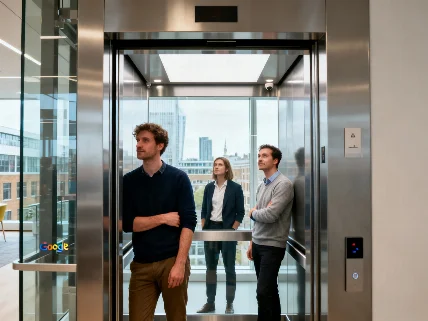
A brief video captures an elevator ride inside Google's London headquarters. Originally shared on Instagram, the clip adds a playful twist for search industry fans.
A major shift is coming to UK print distribution. From July 2027, News UK will move to a single-supplier model with Smiths News. The deal aims to simplify operations and support retailers.
Social and video platforms now lead as news sources in the UK. Trust in news has fallen, and younger audiences are shifting away from traditional outlets. Publishers must rethink their distribution and engagement strategies.
Publishers are taking new legal steps to stop AI bots from scraping their content. Trusted Reviews is enforcing search-only contracts and tracking violations. The move could reshape how tech giants access publisher data.
UK press regulator IPSO resolved more than two-thirds of investigated complaints in favor of the public last year. It received more than 6,500 complaints and enquiries, with accuracy and discrimination leading the issues.
The BBC will eliminate 550 jobs as it targets major cost savings. The broadcaster will also cut more than $100 million from its commissioning budget, new director general Matt Brittin said.
A major reorganization renames DMG Media as Daily Mail and appoints Vere Harmsworth executive chairman. Metro moves to Harmsworth Media, with the changes taking effect immediately.
New legislation aims to curb abusive lawsuits targeting journalists. Legal experts say the reforms could help protect local publishers and freelancers, and the government faces calls to support the measures.
The UK’s competition authority is requiring Google to change how it ranks search results. The new rules aim to increase transparency and fairness for publishers and businesses, requiring Google to use objective criteria and notify firms of changes.
US and Chinese tech giants now dominate UK web traffic. Meta, Alphabet and ByteDance have grown significantly, while UK publishers lose share. The BBC remains the only UK entity in the top ten.
Mirror has launched a paywall for its digital content, with subscription options for premium access. The move follows declining referral traffic and revenue, as other Reach titles adopt similar models.
Gold Basic Media has announced two promotions following the early retirement of deputy managing director Duncan MacGillivray. Sally Ingram and Clare Scott are taking on basic roles.
British news sites are setting new terms for AI companies. Firms like OpenAI and Google face invoices for unauthorized content use. Legal action could follow if payments are not made. The move aims to protect publisher rights.
A sweeping UK proposal would bar anyone under 16 from Snapchat, TikTok, YouTube, Instagram, Facebook and X. The plan also targets gaming and livestreaming platforms, citing child safety concerns.