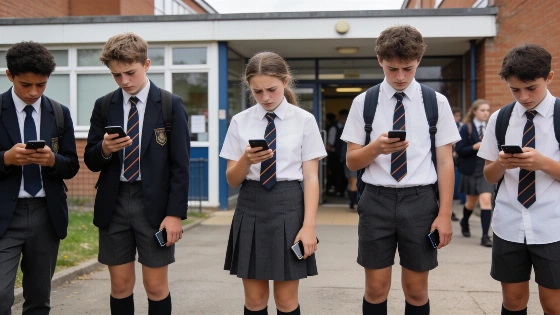
Media and publishing professionals tracking regulatory shifts should note the United Kingdom’s plan to ban users under 16 from major social media platforms, including Snapchat, TikTok, YouTube, Instagram, Facebook and X. The proposed policy, announced by Prime Minister Keir Starmer, would also restrict access to certain gaming and livestreaming services for this age group, citing the need to protect children from high-risk online features.
The government’s move follows months of public debate and a national survey in which 90% of responding parents supported raising the minimum age for social media access to 16. The ban would extend beyond the largest platforms to include online services with features such as livestreaming and messaging that allow strangers to contact minors. Messaging apps like WhatsApp and Signal are not included in the restrictions.
For users aged 16 and 17, the government plans to disable livestreaming and stranger-contact features by default, though these teens would still be able to access the main platforms. The Office of Communications is expected to introduce new age verification options in the coming months, but specific technical solutions have not yet been detailed.
The UK’s proposal aligns with similar actions in countries such as Australia, France, Germany, and several US states. Technology companies, including Meta, have pushed back, arguing that existing safety measures are sufficient. However, recent legal decisions have found some platforms liable for designing addictive and harmful services for young users. Addressing concerns about potential circumvention, Starmer compared the policy to existing laws restricting alcohol sales to minors, emphasizing the government’s commitment to enforcement despite possible workarounds.