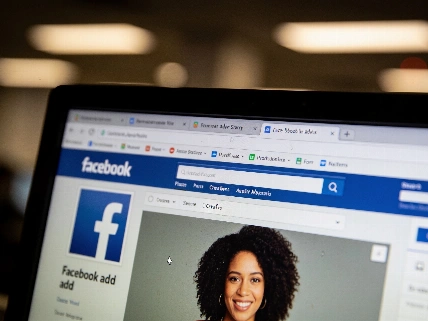
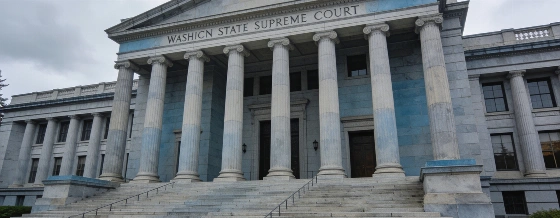
A major court decision upholds a $35 million penalty for Meta. Washington's Supreme Court ruled the company violated strict political ad disclosure rules. The outcome could affect how platforms handle campaign ads. Meta says it is reviewing its next steps.
Digital publishers and social platforms face new legal clarity after Washington state's Supreme Court upheld a $35 million fine against Meta for failing to comply with the state's political ad transparency law. The decision reinforces the requirement for online companies to disclose detailed information about political ads, including cost, sponsors, targeting data, and audience reach, when requested by the public or regulators.
The court's majority rejected Meta's argument that Washington's Fair Campaign Practices Act violates the First Amendment by discouraging platforms from accepting political ads. The justices found that while the law may influence Meta's willingness to host political content, it does not prevent the company from doing so. Meta, which banned political ads in Washington after the law was updated in 2018, said it is disappointed with the ruling and is evaluating its response. The company also argued that the law disadvantages smaller campaigns and down-ballot candidates.
Washington's disclosure law, first enacted in the 1970s and updated in 2018 following concerns about foreign interference in elections, requires digital ad sellers to provide detailed records about political ads. In 2020, then-Attorney General Bob Ferguson sued Meta, alleging the company sold hundreds of ads to at least 171 political committees in the state but failed to make required information available. A King County Superior Court judge ruled in 2022 that Meta violated the law 822 times, imposing a $30,000 penalty per violation and ordering an additional $10.5 million payment to the attorney general's office.
Meta appealed, claiming the law made it impractical for digital platforms to carry political ads targeting Washington elections. The company said the requirements hurt less-resourced political actors who rely on affordable digital advertising. Tech industry groups including NetChoice, Chamber of Progress, and Computer & Communications Industry Association supported Meta's position, arguing the law suppresses political speech. However, the state attorney general maintained that the law serves a vital public interest by informing voters about campaign spending. The Supreme Court agreed, stating that Meta's decision to ban political ads was self-imposed and that disclosure requirements are essential for public transparency. Three justices dissented, saying the case should have been sent back to the trial court for further review of the law's burden on platforms.