The Sun has agreed to pay libel damages to actor Qasim Akhtar after falsely accusing him of links to Islamic extremism, including firearms training in Pakistan and an association with radical clerics. Under the settlement, the newspaper apologized and agreed not to repeat the allegations.
The claims appeared in both print and online editions of The Sun in November 2025. Akhtar, known for his roles in Shameless and Coronation Street, said they had severely affected his reputation and family, with consequences for his personal safety. Represented by Taylor Hampton, he filed a defamation claim against News Group Newspapers in March 2026.
Reached on June 25, 2026, the settlement required The Sun to publish a formal apology and pay damages and legal fees. The newspaper also agreed not to repeat the allegations. News Group Newspapers accepted that the claims were “entirely false”: Akhtar had never endorsed or supported extremism or violence. He had not moved to Pakistan or undergone firearms training.
The settlement’s terms sit within a legal structure that separates the threshold for a defamation claim from the remedies agreed or awarded. Under section 1 of the Defamation Act 2013, a claimant in England and Wales must show that publication caused, or was likely to cause, serious harm to reputation. The Act also provides statutory defences, including truth and honest opinion; it separately protects publication on matters of public interest. The reported acceptance that the allegations were false, alongside an apology and an undertaking not to repeat them, formed part of the settlement between Akhtar and the publisher.
Damages are not calculated using a fixed statutory tariff: the seriousness of the allegation and the reach of publication may affect the remedy. The defendant’s conduct can also be relevant. An apology can correct the record and publicly vindicate reputation, while an undertaking not to repeat the claims addresses the risk of further publication. The same serious-harm structure applies to statements published online as well as in print.
In a public statement, Akhtar described the past six months as extremely difficult and emphasized the personal and professional harm caused by the false reporting. Citing his religious beliefs and the importance of resolving the matter ethically, he said he forgave The Sun and the journalist involved.
Akhtar’s lawyer, Daniel Taylor of Taylor Hampton, said the article was deeply damaging and should never have been published. He said the allegations unfairly targeted Akhtar on the basis of his religion and identity, adding that the case showed the serious consequences of reckless reporting.
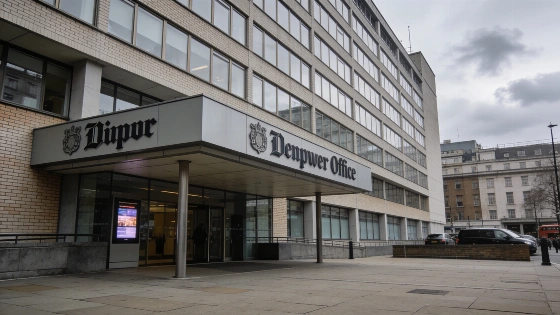
News Group Newspapers, The Sun’s parent company, accepted responsibility for the false allegations and issued a full apology as part of the settlement.