
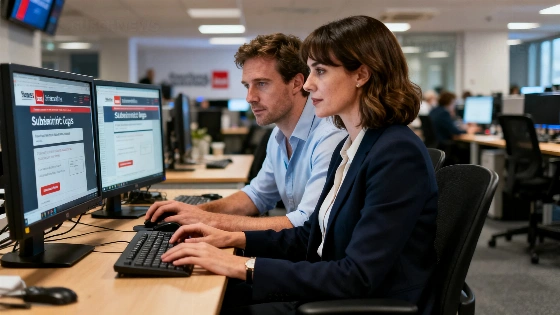
Mirror has launched a paywall for its online content, becoming the fourth national title from Reach plc to introduce a subscription model. The publisher is responding to falling referral traffic and seeking new revenue across a portfolio of national and regional journalism. Reach says it connects with audiences through 120 trusted brands across print and online channels.
Mirror now offers a digital subscription for £3.99 per month, with unlimited app access and exclusive content, alongside reduced advertising and special offers. An annual digital plan costs £19.99 in the first year, then rises to £39.99. Print subscribers to the Daily and Sunday Mirror can pay £29.99 per month for a plan that includes digital benefits.
Premium Mirror+ content includes coverage of Reform UK leader Nigel Farage’s property and in-depth crime stories, as well as relationship features and political commentary. Non-subscribers can read a limited number of free articles on the app, while subscribers get full access and fewer ads. The model combines paid access to selected material with free news for a wider audience.
Mirror joins the Daily Record and Daily Star, as well as Express.co.uk, in Reach’s national portfolio of titles with paywalls. The Daily Star’s Gold Star subscription, launched in May, offers similar perks for £2.99 per month. Several regional Reach titles have also adopted paid-content models, including Manchester Evening News, The Sentinel and Nottingham Post, extending the strategy beyond national brands.
Reach’s paywall rollout follows a sharp decline in Google Discover referral traffic, which dropped by nearly 50% in the second half of 2025. That decline contributed to a 4% fall in group revenue, to £518.4 million. In 2024, Google Discover was the publisher’s largest single traffic source. Financial summaries from Hargreaves Lansdown and Yahoo Finance put Reach’s revenue at £601.4 million in 2022, £568.6 million in 2023, £538.6 million in 2024 and £518.4 million in 2025. The 2025 figure represents a decline of about 3.7% year on year. Hargreaves Lansdown’s 2025 summary also lists net income of negative £132.3 million and an operating margin of negative 31.04%.
Reader subscriptions form one part of Reach’s wider digital-revenue strategy. Press Gazette has reported that a Google news-AI arrangement covers Reach’s UK and Ireland portfolio, including Mirror, Express and Daily Star titles, as well as Manchester Evening News and Liverpool Echo. The reported partnership involves publisher content being used in experimental AI features and new news-delivery formats, alongside Reach’s efforts to build direct reader revenue.
Other UK tabloids have also raised their paywall prices. The Sun now charges £6.99 per month for premium articles, while the Daily Mail charges £9.99 per month. The different prices reflect publishers’ efforts to package exclusive material with digital access for paying readers.
Chloe Hubbard, editor-in-chief of Mirror, described the new Mirror+ tier as a way to deepen engagement with loyal readers and provide exclusive reporting while keeping impressive news free for millions. She emphasized the Mirror’s commitment to progressive journalism and its position as a politically progressive tabloid.
Reach CEO Piers North has previously called subscriptions an impressive addition to the business model, while saying the company would remain primarily advertising-funded. He said free news would continue to be available for most readers as the publisher revisited paid options for selected content and products.
Mirror’s move reflects a broader trend among publishers testing paywall strategies. For example, the Washington Post recently reported higher conversion rates after testing flexible paywall models, signaling growing interest in diversified reader revenue.








