LinkedIn Adds Button to Flag Suspected AI-Generated Posts
A new reporting tool lets users flag posts that appear to be AI-generated. The feature uses the term 'AI slop' directly. LinkedIn is responding to concerns about automated content.
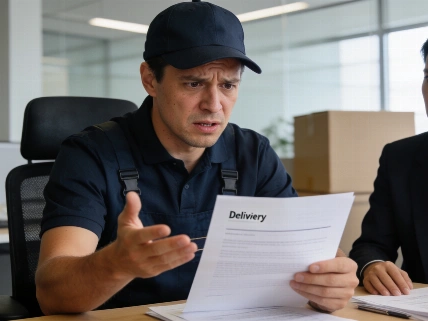

Misaligned sales rewards often lead to overpromising in SEO and AI deals. Delivery teams inherit unrealistic expectations, while clients face disappointment. Learn how better incentives and collaboration can prevent costly disconnects.
AI-generated media is challenging newsroom verification. Many authentication tools lack direct journalist input. New research highlights gaps in current solutions and urges more collaboration.
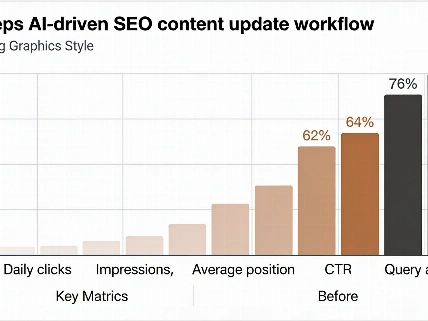
A 14-step workflow now automates SEO content refreshes, helping brands recover lost rankings and boost revenue. See how targeted updates, precise measurement, and AI-driven processes deliver measurable gains for high-value pages.
AI leaders have called on US officials to intervene if artificial intelligence development accelerates too quickly. Hundreds of employees from top tech firms support the move. The letter warns of risks if AI research becomes automated.
Requests for ChatGPT to copy the style of living authors now trigger refusals. The AI offers original writing that echoes certain qualities but avoids direct imitation. Legal risks and user frustration are rising.
A new app, J-SOS, is being developed to address the unique safety needs of journalists. The project seeks input from media professionals to shape its features. Early testers are invited to participate.
AI-powered creative tools enabled HelloFresh to launch a Times Square ad in a single day. The campaign highlights how brands can rapidly scale and test marketing assets using automation.
Recurring edits can reveal where your AI content workflow breaks down. Discover seven feedback loops that help teams catch weak angles, improve research, enforce quality, and adapt to real-world performance.
Sensitive conversations and creations from Claude are appearing in Google search. Users may not realize their shared links are accessible to anyone. Exposed data includes personal details and confidential information.
Advertisers face tough choices balancing brand safety and campaign reach. Teads' Scherief Hegazy explains why context and AI matter more than blanket blocks. He also details how quality journalism delivers measurable performance.
Editors are testing tutoring-inspired methods to improve quality and speed. New research explores how coaching, not just editing, can help newsrooms do more with less. Early results show promise for balancing deadlines and standards.
Tensions rose at ESPN as layoff details surfaced before official notifications. Management rushed to inform affected staff, including on-air talent, after news broke unexpectedly. The incident exposed internal communication challenges.
A court reporter in Indiana submitted a transcript with mistakes likely caused by AI. The judge warned that human oversight is still essential. This incident highlights new risks for legal records as AI tools enter the courtroom.
Nearly 100 employees were let go as Patreon shifts its internal structure. CEO Jack Conte says AI is changing operations but not replacing creators. The company remains focused on human creativity.
Street papers face declining print sales and barriers to growth. New partnerships, content sharing, and mentoring are helping these publications adapt. Here’s how media professionals can support their future.
A new AI text detection tool is now live on Substack, developed with Pangram. As AI-generated content surges on social platforms, the move aims to address reader trust and transparency. Authors can access the detector during drafting.
False reports and viral hoaxes spread rapidly during the World Cup. Unverified claims, AI-generated images, and out-of-context videos fueled confusion. Media brands and advertisers faced real consequences.
Major publishers are shifting from quantity to quality. Hearst UK now requires journalists to justify every article. The Telegraph has trimmed its newsletter lineup to focus on engagement and subscriber growth.
A new English-language newspaper enters Kerala, challenging the dominance of The Hindu and The New Indian Express. The Pioneer partners with Amogh Publication Networks to expand its print and digital presence in the state.
Record-breaking audience numbers at kicker during the 2026 World Cup. Over three billion page views and 450 million visits were reported. Editorial leaders share what drove the surge and how it shapes future coverage.
Android users now have access to a rebuilt X app. The year-long project aims to speed up feature launches and improve user experience. Some features are still being finalized. The update follows a surge in Android downloads.
Journalists often push past their limits, while other high-stress sectors like paramedics and the military have adopted aftercare and decompression practices. A recent event explored what newsrooms might gain from these approaches.
A Norwegian publisher built a digital product for runners, driving subscriptions by making every participant part of the story. The approach redefined local sports coverage and audience engagement.
AI crawlers are facing new resistance from publishers and e-commerce brands. LLM honeypotting aims to mislead bots and increase their costs. The tactic could reshape how large-scale scraping affects content businesses.
Networks now add real-time verification and context to presidential speeches. Fox News and CBS News both changed their approach to live coverage, aiming to prevent misinformation and uphold editorial standards.
Lodestar Media boosted its traffic by syndicating evergreen content from Stacker. The publisher kept reporters focused on local news while doubling pageviews and streamlining editorial workflows.
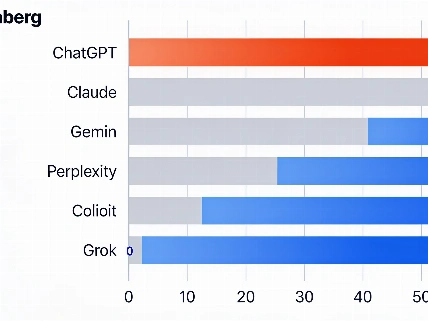
Marketers report nearly half of AI-generated content contains errors each week. Fact-checking is now a major part of digital workflows as platforms like ChatGPT, Claude, and Gemini face scrutiny for subtle and serious mistakes.
Millions of Nazi Party membership cards are now searchable online. Die Zeit’s AI-powered project lets users uncover hidden family histories. The database has drawn millions of searches and global attention.
A recent algorithm fix on X may reduce exposure to unfamiliar accounts in replies. The change aims to make the platform less contentious and more focused on user communities. Engineers say the update could improve the overall experience.