False reports and viral hoaxes spread rapidly during the World Cup. Unverified claims, AI-generated images, and out-of-context videos fueled confusion. Media brands and advertisers faced real consequences.
For digital publishers and content teams, the 2026 FIFA World Cup became a case study in how misinformation can undermine trust, disrupt editorial workflows, and impact revenue. Within days of kickoff, a live broadcast on Argentina’s Luzu TV saw host Florencia Peña announce-incorrectly and without verification-that Jorge Messi, father of Lionel Messi, had died. Peña later clarified on air that she had not confirmed the information herself, but the damage was done: Jorge Messi’s name trended globally, and the Messi family issued a statement condemning the spread of unverified rumors and urging audiences to trust only official channels.
The fallout was immediate for Luzu TV. According to Spanish newspaper El Mundo, several advertisers withdrew their support, and the channel dismissed Peña and the producers involved. The incident highlighted the business risks for media brands when editorial standards slip, especially during high-traffic events.
But the Messi hoax was only one example. As the tournament unfolded, false narratives and viral fabrications multiplied across platforms. When Norway’s national team trained in North Carolina, social media users claimed the players imported food from Norway due to distrust of American food. The Associated Press and other outlets debunked the story, but Cyabra, a social media monitoring firm, reported that 27% of Twitter accounts amplifying the claim were fake or automated bots. Even experienced journalists found themselves repeating falsehoods seen on Instagram before realizing the claims were baseless.
Fake quotes attributed to Real Madrid coach José Mourinho also circulated widely. Parody accounts posted fabricated statements about World Cup matches, refereeing, and tactics. Despite being labeled as parody, replies and quote tweets showed that many users believed the quotes were real, further muddying the information environment.
Out-of-context videos added to the confusion. A clip of Spain’s Lamine Yamal and his younger brother Keyne, showing Keyne with dyed blue hair, went viral with the claim it was filmed ahead of the World Cup final. In reality, the video was posted by the barber on Instagram two months earlier. The misleading tweet racked up over 8 million views and 46,000 likes before a community note clarified the timing.
AI-generated images also played a role. During Germany’s match against Curaçao, a Twitter user posted what appeared to be a broadcast screenshot showing a Hitler lookalike in the stands. The image, created with ChatGPT, was quickly debunked by Deutsche Welle, but the tweet remained live and amassed over five million views without a correction note.
For publishers, the World Cup demonstrated how misinformation can erode audience trust, complicate verification workflows, and threaten advertiser relationships. Even as newsrooms invest in pre-bunking and debunking tools, false claims often outpace corrections. The challenge is compounded by the cross-platform spread of content-what starts on Twitter is quickly screenshotted and shared to Instagram, TikTok, Facebook, Reddit, and private messaging apps, where platform-specific corrections like community notes do not follow.
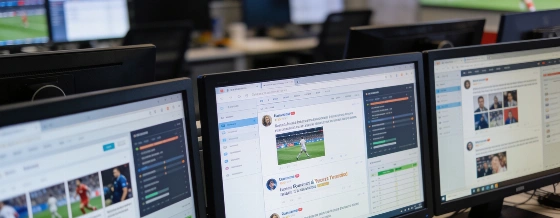
Despite these challenges, sports journalists and fans continue to rely on platforms like Twitter for real-time commentary and analysis. As noted in a recent report on the expansion of digital newsrooms in Spain, no true replacement for Twitter’s reach and immediacy has emerged, even as moderation and authenticity concerns grow.
The 2026 World Cup revealed the scale and speed at which misinformation can travel, especially during global events. For media professionals, the tournament underscored the need for robust verification systems, transparent editorial standards, and ongoing investment in audience trust.