
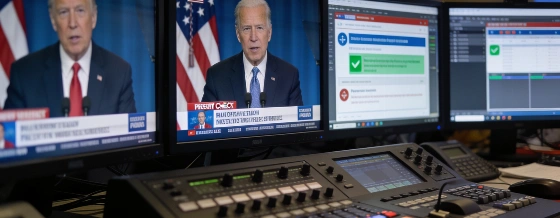
Networks now add real-time verification and context to presidential speeches. Fox News and CBS News both changed their approach to live coverage, aiming to prevent misinformation and uphold editorial standards.
Newsrooms across the U.S. are rethinking how they handle live presidential addresses, as the traditional approach of airing speeches without interruption or scrutiny is no longer seen as sufficient. The latest prime-time address from President Donald Trump on election security highlighted this shift, with Fox News and CBS News each adopting new editorial strategies to address the risk of misinformation during live coverage.
Historically, networks treated presidential speeches as civic events, broadcasting them live and offering analysis only after the fact. That standard has changed. Some networks chose not to air the recent address live, while others, including Fox News and CBS News, implemented real-time verification and context for viewers.
Fox News broadcast the speech live but immediately informed viewers that the network had not independently verified the president’s claims about voting machines and election security. This on-air disclaimer reflected a heightened focus on verification, influenced in part by Fox’s legal settlement with Dominion Voting Systems. The network’s approach signaled that even live coverage requires editorial responsibility to distinguish between claims and confirmed facts.
CBS News took a different route, introducing the speech by reminding viewers of President Trump’s previous false statements on election integrity. The network cut away before the speech ended to begin immediate analysis, while its CBS News Confirmed team published detailed fact-checks comparing the president’s assertions to evidence from election officials and public records.
Both networks demonstrated that live coverage does not absolve newsrooms from verifying information in real time. This marks a significant departure from past norms, as news clips are now rapidly shared and stripped of context on social media, making delayed verification less effective.
The editorial decisions by Fox News and CBS News reflect a broader challenge for publishers at all levels. Local outlets face similar questions about whether to publish unverified claims or provide real-time context during contentious public meetings. The merging of reporting and verification has sparked debate over potential bias versus journalistic duty, as some argue that fact-checking during live events could be seen as editorializing, while others see it as essential to prevent the spread of falsehoods.
Importantly, neither Fox News nor CBS News blocked the president’s remarks. Instead, both prioritized transparency, helping audiences distinguish between verified facts and unverified assertions. This approach aligns with standard editorial practices, such as verifying quotations and requiring documentation before publishing damaging allegations.
As technology evolves, with AI-generated audio and video and social platforms amplifying unverified narratives, the need for real-time verification in newsrooms has grown. The public still benefits from hearing directly from elected officials, but audiences increasingly expect clear distinctions between what is known, what is unverified, and what evidence supports each claim.
This editorial evolution is not limited to national networks. Local publishers and digital newsrooms are also adapting, as highlighted in coverage of federal pressure on journalists, such as the recent subpoenas targeting New York Times reporters after their reporting on Air Force One security concerns. These developments underscore the ongoing debate over editorial judgment, political fairness, and the role of verification in maintaining public trust.