In July 2026, the Justice Department authorized grand-jury subpoenas seeking information from several New York Times journalists and outside communications providers. The inquiry also sought information from relatives of some reporters. It followed the newspaper’s reporting on security concerns surrounding a Qatari-donated aircraft used by President Donald Trump for presidential travel, including its reported lack of certain defensive equipment. The coverage examined the aircraft during Trump’s trip to Turkey for a NATO summit.
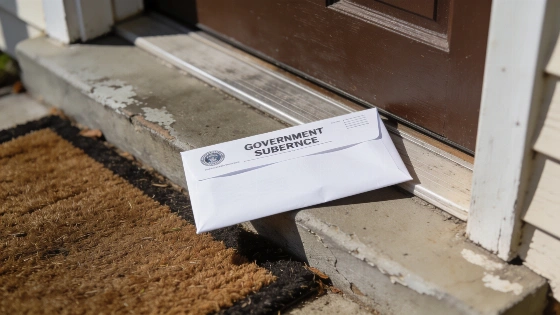
The subpoenas directed reporters to appear before a federal grand jury in Manhattan on a Wednesday, the Times reported. Federal agents delivered some of them at journalists’ homes. The Justice Department said the reporters were not investigative targets and that it was pursuing alleged leakers. Even so, the inquiry sought information that could identify confidential sources behind the reporting.
The Times challenged the subpoenas, arguing they were issued in bad faith to harass or intimidate its journalists. The newspaper also said prosecutors had not shown the information was unavailable through other investigative methods. The legal dispute implicated the Second Circuit’s standard for compelling journalists to provide confidential-source information, which requires prosecutors to establish, among other things, that the material cannot be obtained through alternative means. The Justice Department asked the court to hold the subpoenas in abeyance while it pursued additional investigative steps.
At a hearing on the newspaper’s motion to quash, U.S. District Judge Arun Subramanian of the Southern District of New York criticized the government’s approach. “The subpoenas are the last step, not the first, but the last step,” he said. The judge also questioned whether the Justice Department had followed its own guidelines for subpoenas directed at news organizations. The department withdrew the subpoenas after the hearing, within weeks of issuing them, information from the Inter American Press Association.
The episode unfolded amid a broader dispute over media access and scrutiny of the administration. The White House barred CNN and MS NOW from certain White House and Air Force One access after Trump criticized their coverage, which he called “fake news.” Politico was also barred from some access. A federal judge later granted the outlets a preliminary injunction against the broader ban while their case continued. The disputes have intensified concerns among press-freedom organizations about government efforts to identify journalistic sources and restrict reporters’ access.
Recent legal battles have also tested the boundaries of journalistic protection. In one case, the Supreme Court blocked a ruling that would have forced a reporter to reveal a confidential source, as detailed in coverage of Supreme Court actions affecting press freedom.