A.G. Sulzberger Calls Out AI Firms Over News Content Use
AI companies face criticism for using news content without permission. A.G. Sulzberger urges publishers to defend their rights. The future of original reporting may depend on industry action.

Android users now have access to a rebuilt X app. The year-long project aims to speed up feature launches and improve user experience. Some features are still being finalized. The update follows a surge in Android downloads.
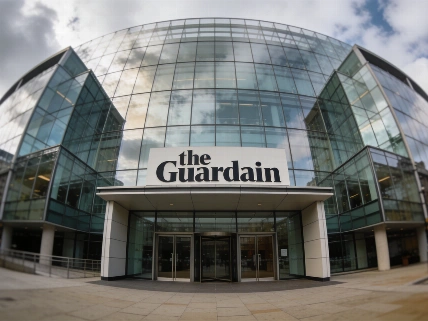
Reader payments drive The Guardian’s growth, even without a paywall. Emilie Harkin explains how ownership, independence, and dissatisfaction with other outlets motivate support. The approach offers lessons for publishers seeking sustainable revenue.
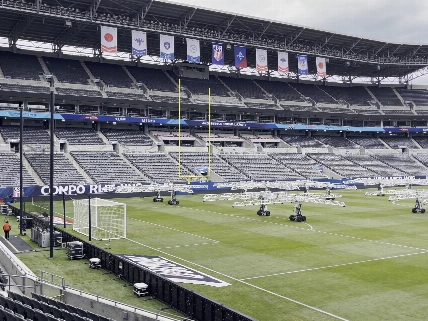
A Super Bowl-style halftime show debuted at the 2026 Fifa World Cup final, featuring Madonna, Shakira, and BTS. The move sparked mixed reactions from fans and broadcasters, raising questions about the future of entertainment in global football.
Engagement climbed for 'Bild', 'Sport Bild' and 'Welt' during the World Cup. Traffic, video views and ad revenue all reached new highs. Germany's early exit did not stop the brands' digital platforms from posting unprecedented results.
Retail media is shifting as AI and new ad formats reshape e-commerce. Criteo is adapting its strategy, focusing on commerce data and omnichannel campaigns. Executives see growth opportunities, not just threats.
A Norwegian publisher built a digital product for runners, driving subscriptions by making every participant part of the story. The approach redefined local sports coverage and audience engagement.
AI crawlers are facing new resistance from publishers and e-commerce brands. LLM honeypotting aims to mislead bots and increase their costs. The tactic could reshape how large-scale scraping affects content businesses.
Reach plc is launching a new events division to turn editorial brands into live experiences for advertisers. The company aims to prove these connections can become repeatable products.
Advertisers are rethinking CTV campaigns as audience mindset and context become basic. Brands now look beyond scale, aiming for creative impact and high attention. Data from multiple devices is shaping new approaches.
Major private equity firms are making bold moves in ecommerce. TikTok Shop’s new AI-generated shoppable videos are dividing brands and creators. The stakes for online commerce and affiliate marketing are rising.
Kristi Cook built a major YouTube channel while staying anonymous. Revealing her identity led to a surge in popularity and income. Her story highlights the business impact of creator transparency.
Personalized feeds and niche content dominate digital media. Yet live sports continues to draw massive, simultaneous audiences. Marketers and publishers are rethinking strategy as sports becomes a rare source of real-time, shared attention.
Custom AI rap music in high school sports videos led to a surge in social media engagement and monetization for the Houston Defender. The strategy made local news content more relevant to younger audiences.
Subscribers say they still see ads despite paying for an ad-free experience. A new class-action lawsuit challenges YouTube Premium’s advertising practices. Google has not yet responded to the allegations.
AI visibility is emerging as a basic metric for publishers. Media companies are touting their presence in AI answer engines to attract advertisers, even as measurement tools remain inconsistent and competition for prominence grows.
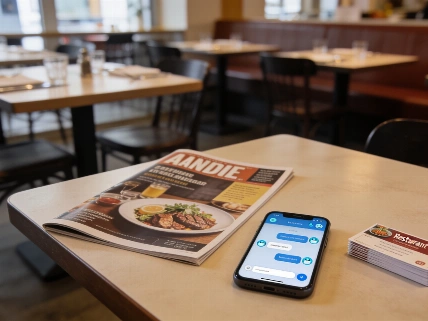
A cross-channel food brand from Rheinische Post blends editorial, digital, and AI tools to engage local audiences. Its chatbot, vouchers, and curated content deliver measurable results.
Ad supply on publisher sites dropped sharply in Q2 2026. AI-driven, zero-click search reduced open web traffic. Higher eCPMs helped offset lost ad volume, especially in the UK.
Projected ad earnings for OpenAI are set to fall far below expectations. Analysts say the company’s ambitious targets may be out of reach. The gap could reshape how publishers view AI-driven ad models.
Emarketer projects the U.S. chatbot ad market will reach just $5.41 billion by 2030, far below OpenAI’s $100 billion goal. The gap highlights the challenges ChatGPT Ads faces as AI-driven advertising grows.
Retail Media’s infrastructure is ready, but advertisers now want proof of impact. Industry leaders say the next phase needs better data and smarter campaigns, backed by clear evidence for non-endemic brands.
As users turn to AI models for recommendations, ad-tech faces new demands for transparency and value attribution. Franklin Rios says the industry must build infrastructure for LLM-driven discovery.
Digital video ad budgets are set to rise again. CTV spending is projected to reach $29.3 billion this year. Targeting and content quality remain top priorities for media buyers.
AI-native advertising is moving beyond tests. OpenAI expanded ChatGPT ads and built new tools. Google unified its AI ad vision, while infrastructure and agency partnerships accelerated.
Digital advertising is shifting from static audience data to dynamic context systems. New AI-powered tools interpret real-time signals to deliver more relevant ads, changing how publishers and brands reach users.
Audience surges during the World Cup offer major revenue potential. Publishers with strong first-party data and privacy-ready ad products are well positioned to capture premium ad spend. Preparation is basic to turning attention into lasting value.
Retailers want proof that ad spend drives results. PayPal Ads analyzes billions of transactions across merchants to answer CFO questions and show ROI for brands like Adorama and Best Buy.
Analysts see OpenAI’s ad business reaching $54 billion within four years. Its advertiser base is expected to grow rapidly as Ads Manager expands, and its market share could rival that of top digital platforms.
Aggressive ad spending before results are validated can waste budgets and lead up costs. A phased approach to paid media can deliver stronger, more sustainable growth.
AI-powered shopping is moving beyond ChatGPT ads. The real disruption is unfolding in automated checkout flows and agent-driven purchases. Brands that improve their product data now will be better positioned as Google and Amazon build the next wave of commerce infrastructure, with OpenAI pursuing it too.