Major private equity firms are making bold moves in ecommerce. TikTok Shop’s new AI-generated shoppable videos are dividing brands and creators. The stakes for online commerce and affiliate marketing are rising.
Private equity investors are stepping up their activity in the ecommerce sector, pursuing high-profile acquisitions and funding deals that could reshape the competitive landscape for online marketplaces and payment platforms. These moves come as companies across the space look for new ways to monetize ecommerce infrastructure and data.
Recent weeks have seen a flurry of proposals and bids. Stripe, in partnership with Advent, reportedly submitted a $53 billion joint offer to acquire PayPal, according to Reuters. Earlier in the month, Criteo received a joint bid from Quinti Capital and Vista Equity, offering a premium of up to 50% over its market cap at the time. Klarna, the buy-now-pay-later provider, secured $517 million in new funding from private equity firms including Blackstone, Varde Partners, and Sona Asset Management, which could translate into a 10% equity stake. Meanwhile, GameStop’s proposed acquisition of eBay, though widely questioned, remains on the table. Last year, speculation also swirled around a potential eBay-Etsy merger, following Etsy’s sale of Depop to eBay for $1.2 billion.
These developments reflect a broader strategy among private equity players to extract value from the underlying infrastructure and marketing data that power ecommerce. As public market valuations for many of these companies have declined, private investors appear to see new opportunities for growth and monetization.
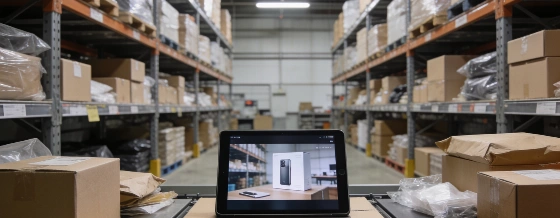
On the content and affiliate side, TikTok Shop has introduced a feature that lets users create fully AI-generated shoppable videos, including product demonstrations. These videos are labeled as AI-generated, but the rollout has sparked mixed reactions. Some creators appreciate the speed and efficiency of producing affiliate content with AI, while others argue that the approach feels inauthentic and undermines trust. Rosemarie Soma, a creator, described the experience as frustrating, noting that AI-generated videos can drive ad spend and sales, but may not reflect genuine product use.
Brands are also voicing concerns. Under TikTok’s open affiliate plan, any creator can promote a brand’s products and earn commissions, which increases the need for manual oversight. Some brands, such as SharkNinja, have taken a firm stance, stating that affiliates using AI-generated content to promote their products will have commissions revoked. Neil Shah, SharkNinja’s Chief Commercial Officer, emphasized the company’s preference for real consumers using real products, rather than AI-generated scenarios.
For more on how AI-driven advertising is moving into the mainstream and reshaping digital media, see this analysis of recent platform and agency partnerships: OpenAI and Google’s expansion of AI-native advertising tools.