Hide Google AI Overviews With uBlock Origin Filters
A custom uBlock Origin filter can hide Google’s AI Overviews, while community lists target AI features across other sites. For a single search, udm14.com offers a no-install option.
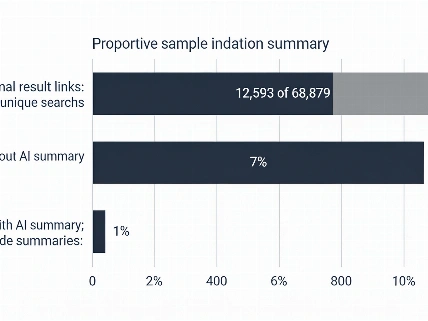

Google's expanded AI responses can displace the preview and its “Show more” control. Existing browsing data shows lower traditional-link click rates on visits with summaries, but it does not test automatic expansion.
AI-generated answers can be wrong on specialized subjects, while Google results pages also carry shopping and information modules. JR Raphael says a long-standing detour can clear those additions from view.
Google’s John Mueller says JPEG XL cannot currently appear in Google Images or as a Discover preview. Google’s documentation names BMP, GIF, JPEG, PNG, WebP, SVG and AVIF as supported formats.
Google’s Web filter strips a results page to blue links, while a saved Chrome search shortcut can apply that filter faster. The trade-off: Web mode also hides images, video, news, Maps and shopping results.
The complimentary review checks technical issues across buyer-facing pages and identifies searches where a builder ranks near page one. Findings include prioritized fixes and a one-on-one review of next steps.
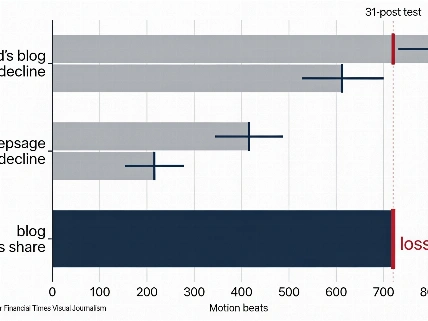
EarthMed’s blog had lost 67.8% of its clicks by August 2026 and its homepage was down 77.2% year over year. The declines coincided with JumpFly’s 31-post AI-assisted content test.
On desktop, some Google AI Overviews appear without a label even as the same feature remains labeled on mobile. Barry Schwartz suspects a bug and says he contacted Google.
Two searches for services in Addison and Wood Dale reached position 7 after sitting outside the top 100. BRD Media’s 108-term comparison also found four implant queries slipping and six disappearing from the top 100.
Voltaire has passed 60,000 downloads. Its AI-assisted search operation publishes about one guide a day, while buyers can take weeks to choose the $399.99 lifetime plan.
Google says AI Overviews cannot be switched off, but its Web view removes them from results. A test found that udm=14 works too, though Google does not document the parameter and could change it.
Google is making links in AI Mode and AI Overviews more prominent. Search Console still has no click figures, and Google has not set a date for adding them.
Third-party rank trackers face apparent fake data from Google, while paywalls make access harder. The weekly recap follows Gemini 4 Argon’s expansion into AI Mode and a new round of Google Ads changes.
A California lawsuit challenges what Google says its tracking feature shares. Plaintiffs allege data also reaches outside companies, invoking state privacy laws against Google and UPS.
A field named siteAuthority appears in Google’s leaked search documentation. The record confirms an internal data field, but says nothing about how Google calculates it or how much it affects rankings.
A federal judge has tossed out Chegg and Penske Media’s lawsuits accusing Google of using AI search to divert web traffic. The decision marks a clear defeat for publishers trying to rein in Google’s use of their content in AI-generated answers.
Google’s pilot bills retailers only when shoppers redeem digital coupons at checkout. The model links ad spend to real sales and could upend how brands track return on investment.
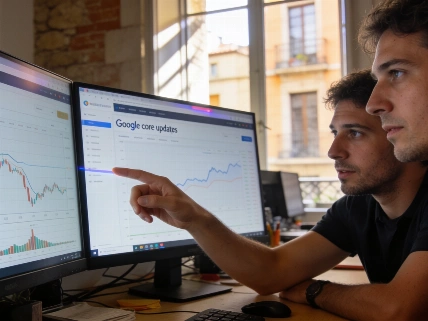
Months can pass before a site recovers from a Google core update-if it recovers at all. Internal quality signals now decide which publishers claw back traffic and which vanish. The four pillars of content quality are measurable, and the recovery clock is unforgiving.
Google’s new take on content effort throws out word count and time spent. Only what users see and gain on the page matters. Publishers must show real value or risk losing ground.
Google now lets advertisers preview up to 10 AI-generated headlines and descriptions in half a minute before Search ads go live. The tool promises tighter oversight and a shot at fewer brand slip-ups.
Digital publishers are under new pressure. As Google traffic drops and every click counts, those without a real edge are being left behind.
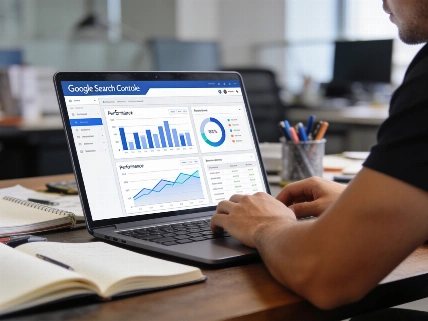
AI-driven features and social platform tracking are transforming how publishers use Google Search Console. Discover the latest updates, new data limitations, and what these changes mean for content creators and newsroom leaders.
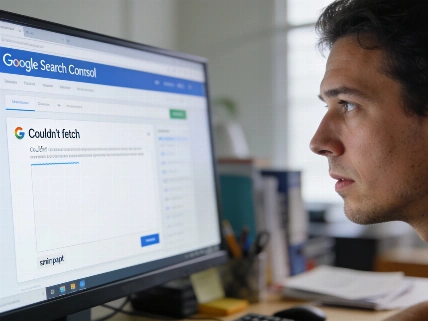
Sites seeing 'Couldn't fetch' errors for XML sitemaps in Search Console may be facing more than technical issues. Google’s John Mueller points to site quality and crawl demand as key factors behind these warnings.
Google now penalizes sites for fake author profiles. The company has updated its guidance to target invented credentials and clarify what counts as basic content.
Google has suppressed nearly all Brown Brothers Media sites after revelations of mass AI-generated content, fake authors, and plagiarism. The company’s traffic once rivaled major news outlets. Now its empire faces a dramatic reckoning.
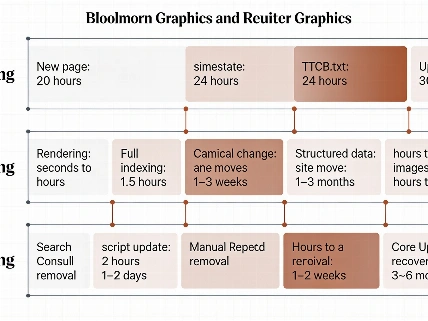
Google has published hard numbers on how long it takes for new and updated pages to get crawled, indexed, and shown in search. SEOs and publishers now see the real delays behind site discovery and ranking.
Manual review is now essential for any AI generated content. Google’s new Search guidelines require publishers to verify accuracy and label AI outputs before publishing.
AI-written articles can go wrong fast. Google now tells site owners to check every AI-generated piece before it goes live. Here’s what’s new and why it matters.
A federal judge has thrown out Penske Media’s lawsuit against Google’s AI Overviews. The court said scanning publisher sites and expecting traffic isn’t a contract. Here’s what this means for digital publishers.
AI search is draining publisher traffic. Media leaders are moving fast to build direct ties with readers, betting on creators and newsletters to keep revenue alive.