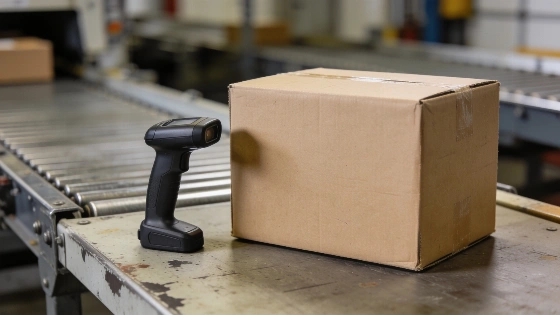
Clicking a package-tracking button on Google Search sits at the center of a proposed class action over what information leaves the page.
Plaintiffs Lennie Woodley and Joseph C. Schrant filed the case on October 9, 2026, in the U.S. District Court for the Northern District of California. The case, Woodley et al. v. Google LLC et al., is docketed as No. 5:26-cv-11715. The plaintiffs say Google represents that only the tracking number goes to the carrier. Their complaint alleges that clicking Track instead triggers transfers to advertising and analytics companies. A court has not tested that claim.
The complaint names Adobe and Meta, along with Microsoft and The Trade Desk. It also names Tealium and Quantum Metric. Separately, it refers to Google Analytics and DoubleClick, then to Microsoft Bing. According to the complaint, one UPS tracking action generated 415 network requests to at least 28 web domains. A comparison test involving a FedEx shipment allegedly generated 142 requests to at least 19 domains.
That traffic, the plaintiffs allege, could reveal or add to profiles of users’ browsing and visit histories. The complaint also lists website interactions and inputs, along with demographic and geolocation information. It says the data could include interests and preferences, as well as purchasing behavior. Other alleged data includes device and browser details, referring URLs and session information, plus user identifiers.
Those traffic counts remain allegations in a complaint no court has tested.
The complaint says a UPS tracking number could help identify a recipient’s name and the sender’s and recipient’s locations. It could also show whether a delivery address is residential or commercial. Google’s carrier-integration requirements, as described in the complaint, say it does not accept personal or geographic information about a package’s sender or recipient. The plaintiffs allege similar information could still reach Google through analytics and advertising systems operating alongside the tracking request.
The plaintiffs say users did not know about or consent to the alleged sharing. They seek $5,000 per alleged violation or three times actual damages, whichever is greater. Those are demands in the complaint, not damages awarded by a court. It does not establish that any company is liable.
The suit asserts claims under California’s Invasion of Privacy Act and related state privacy provisions. Those claims include alleged unlawful interception and intrusion into private affairs. The proposed class covers U.S. users who used Google Search’s package-tracking widget and clicked the tracking button. A separate proposed California subclass is also included. The plaintiffs allege users were not adequately informed about third-party transfers and did not consent to them.
UPS is named alongside Google, though the complaint’s allegations focus largely on Google’s representation and transmissions through its web infrastructure. As of reports on the filing, the court had not ruled on the merits or certified a class.
A separate report on Google’s pay-per-value test concerns publisher content, not package tracking. Here, the immediate issue is whether users were adequately told what data a tracking action would share. The allegations do not resolve that legal question. Google and UPS had not responded to MediaPost’s request for comment.
Bloomberg Law’s case report and Law360’s coverage describe the suit as an early-stage dispute over alleged data sharing with third parties.