
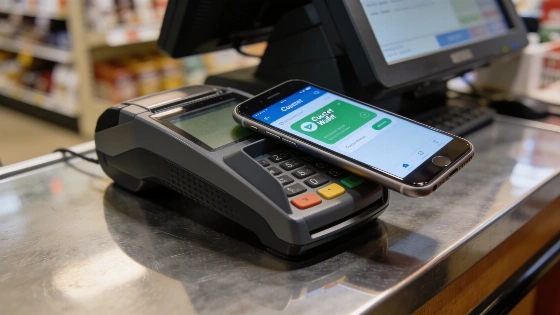
Cash registers in U.S. stores are now pinging Google’s servers every time a shopper redeems a digital coupon. Retailers pay only when that barcode gets scanned, not when someone clicks an ad or glances at a product online. Google’s “Local Coupons” pilot puts a hard number on what digital ads actually deliver in physical stores.
Google’s Universal Commerce Protocol (UCP) was developed with input from major retailers including Shopify, Etsy, Wayfair, Target, and Walmart, aiming to establish an industry-wide commerce standard.
Selin Song, vice president at Google Customer Solutions, calls the pilot a breakthrough for tracking what happens after someone clicks an ad. She says the system turns online interest into store visits and savings, while giving retailers a direct ROI number for every dollar spent. Each coupon’s barcode is checked instantly at the register through integrations with point of sale systems like Clover and Lightspeed. That blocks double use and keeps billing accurate.
“Local Coupons” plugs into Google’s push for Direct Offers and Agentic Commerce. The same framework powers the Direct Offers pilot, which delivers targeted digital deals across Search and AI shopping. When Google announced the integration in January, big brands started testing the system. That set the stage for the Universal Commerce Protocol (UCP), which Google says will let agents, businesses, and payment providers work together without building custom integrations for every new platform.
The UCP Merchant Center integration hub is rolling out gradually in the United States, with Google’s stated capabilities including cart transfer to a merchant’s own website, native checkout on Google, and testing of enhanced checkout flows. Availability for Australia and Canada is planned for a later phase.
Retailers now face a model where ad budgets only cover proven in store sales, not just digital engagement. Shoppers get a smoother experience saving and redeeming offers on their phones, which could push more people toward mobile wallets. Google’s move puts pressure on rivals in ad tech and retail attribution, as it uses its reach in Search and AI shopping to close the gap between online discovery and store action.
Google’s strategy lines up with recent pay per value experiments across its platforms, as previously reported. By charging for outcomes that can be measured, Google is betting advertisers will pay for results they can see, even as tracking gets trickier in a world where digital and physical shopping blend together.
The pilot hands Google a technical edge by linking digital offers to real time point of sale data. The company’s system demands transparency and operational discipline from retailers. The UCP Merchant Center integration hub is rolling out in the U.S., with plans for Australia and Canada to follow.








