
Editorial Workflow - Page 3
210 articles
FCC Scraps TV Ownership Cap, Paving Way for Media Consolidation
A decades-old rule limiting TV station ownership is gone. The FCC will now review deals individually. Major station groups stand to gain new reach.

How Data-Heavy Stories Shape Reader Comments at The New York Times
Dense reporting with statistics and analysis changes who comments and how. Fewer people join, but the conversation becomes more analytical. Emotional stories attract larger, less reasoned crowds.

Agentic Advertising Raises New Risks for Media Budgets
Autonomous ad agents are reshaping campaign management. But unchecked automation can create costly blind spots. Human oversight and clear audit trails are now critical.

Spiegel Launches 'Spiegel Solutions' to Highlight Constructive Journalism
A new editorial label aims to spotlight solutions in politics and society. The initiative seeks to balance critical reporting with stories of progress. 'Spiegel Solutions' introduces new formats and a fresh approach.

How AI Is Transforming Newsrooms and Editorial Workflows
AI is changing every stage of news production. From story ideas to distribution, new tools are reshaping editorial control and audience reach. But risks around transparency and trust remain.

Grokipedia’s AI-Edited Encyclopedia Hasn’t Updated Since April
A major AI-powered reference site has quietly stopped updating. Human and AI edits have both stalled. Millions still visit, raising concerns about outdated content.

SAP Freezes Most Travel and Hiring Amid Rising AI Costs
AI investments are forcing SAP to halt most hiring and travel. Only AI-related activities are exempt. The company says it must control spending as new tools roll out. Staff report the freeze remains in place.

Why AI Still Needs Standards to Build Trust in Media
AI agents can interpret and connect data, but they cannot guarantee trust. As automation grows in publishing and ad tech, new standards are needed to ensure accountability and authority.
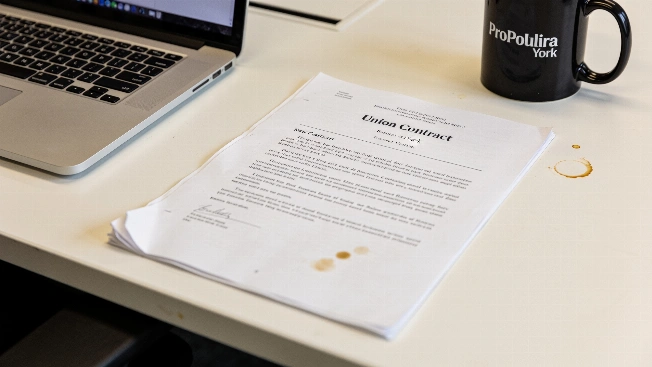
ProPublica Guild Secures Raises and AI Protections in First Contract
Staff at ProPublica ratified a four-year contract with significant pay increases, AI transparency requirements, hybrid work safeguards, and health-care savings. The agreement marks a milestone for the newsroom’s union.

Microsoft Sets AI Token Budgets for Engineers, Shifts Internal Policy
Engineers at Microsoft now face new limits on AI tool spending. The company is introducing token budgets and updated guidelines. Leadership says the focus is on business impact, not maximizing AI usage.

Live Blogs Demand Editorial Depth to Drive Audience Engagement
Mobile readers multitask during live events. Data shows live blogs can capture attention, but only when publishers add context, analysis, and interactive features.

People Inc. Holds Off on Blocking Google AI Crawlers
Executives at People Inc. say they will not block Google's AI crawlers yet. The company remains reliant on search referrals, even as traffic from Google declines.

AI Detectors Fall Short in Proving Human Authorship
AI-generated content is raising new questions about authorship. Detection tools offer clues but not certainty. Editorial judgment and verification remain essential.

LinkedIn’s AI Slop Button Raises Concerns for Content Creators
Platforms are taking different paths on AI-generated content. LinkedIn’s new reporting tool is drawing skepticism, while Substack opts for transparency. Writers worry about fairness and the risk of misuse.

Google Earth AI Update Raises Alarms Over Fake Satellite Images
A new AI feature in Google Earth now lets users create fabricated satellite images. Media professionals warn this tool could be used to spread disinformation. The update has immediate implications for newsrooms and OSINT analysts.

LinkedIn Adds Button to Flag Suspected AI-Generated Posts
A new reporting tool lets users flag posts that appear to be AI-generated. The feature uses the term 'AI slop' directly. LinkedIn is responding to concerns about automated content.
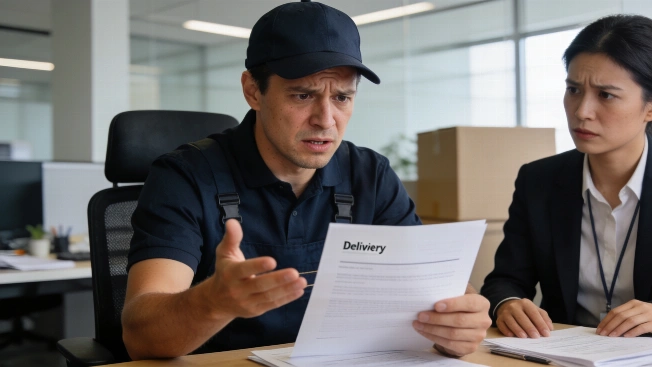
Why Sales Incentives Break SEO and AI Promises
Misaligned sales rewards often lead to overpromising in SEO and AI deals. Delivery teams inherit unrealistic expectations, while clients face disappointment. Learn how better incentives and collaboration can prevent costly disconnects.

AI Fact-Checking Tools Miss the Mark for Newsrooms
AI-generated media is challenging newsroom verification. Many authentication tools lack direct journalist input. New research highlights gaps in current solutions and urges more collaboration.
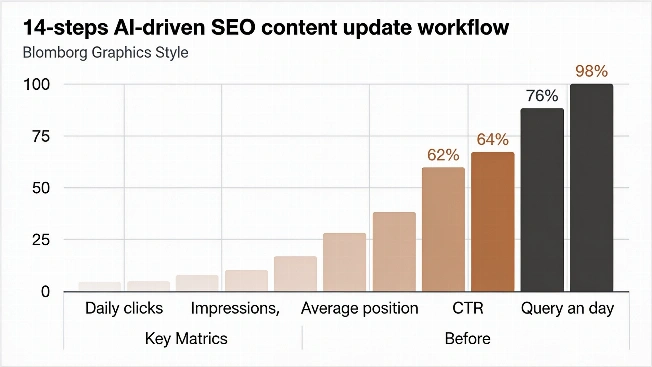
How Claude Code Transforms SEO Content Updates at Scale
A 14-step workflow now automates SEO content refreshes, helping brands recover lost rankings and boost revenue. See how targeted updates, precise measurement, and AI-driven processes deliver measurable gains for high-value pages.

OpenAI and Anthropic Urge US to Slow Rapid AI Progress
AI leaders have called on US officials to intervene if artificial intelligence development accelerates too quickly. Hundreds of employees from top tech firms support the move. The letter warns of risks if AI research becomes automated.

OpenAI Limits ChatGPT’s Ability to Mimic Famous Authors’ Styles
Requests for ChatGPT to copy the style of living authors now trigger refusals. The AI offers original writing that echoes certain qualities but avoids direct imitation. Legal risks and user frustration are rising.

J-SOS App Aims to Redefine Journalist Safety Resources
A new app, J-SOS, is being developed to address the unique safety needs of journalists. The project seeks input from media professionals to shape its features. Early testers are invited to participate.

HelloFresh Tests AI-Generated Ad Creative in Times Square
AI-powered creative tools enabled HelloFresh to launch a Times Square ad in a single day. The campaign highlights how brands can rapidly scale and test marketing assets using automation.

7 Feedback Loops That Make AI Content Smarter
Recurring edits can reveal where your AI content workflow breaks down. Discover seven feedback loops that help teams catch weak angles, improve research, enforce quality, and adapt to real-world performance.

Claude Users’ Shared Chats Are Publicly Indexed by Google
Sensitive conversations and creations from Claude are appearing in Google search. Users may not realize their shared links are accessible to anyone. Exposed data includes personal details and confidential information.

Brand Safety Tactics Shift as Teads Pushes Contextual AI
Advertisers face tough choices balancing brand safety and campaign reach. Teads' Scherief Hegazy explains why context and AI matter more than blanket blocks. He also details how quality journalism delivers measurable performance.

Tutoring Techniques Offer Newsrooms a Path to Faster, Better Edits
Editors are testing tutoring-inspired methods to improve quality and speed. New research explores how coaching, not just editing, can help newsrooms do more with less. Early results show promise for balancing deadlines and standards.
ESPN Scrambles After Layoff News Leaks During Live Broadcast
Tensions rose at ESPN as layoff details surfaced before official notifications. Management rushed to inform affected staff, including on-air talent, after news broke unexpectedly. The incident exposed internal communication challenges.

Indiana Judge Flags AI Errors in Official Court Transcript
A court reporter in Indiana submitted a transcript with mistakes likely caused by AI. The judge warned that human oversight is still essential. This incident highlights new risks for legal records as AI tools enter the courtroom.

Patreon Cuts 20% of Staff Amid Organizational Restructuring
Nearly 100 employees were let go as Patreon shifts its internal structure. CEO Jack Conte says AI is changing operations but not replacing creators. The company remains focused on human creativity.
Page 3 by 7