Australia Targets Social Media Algorithms With Opt Out Law
Australian lawmakers want users to control social media feeds. New legislation would force platforms to let people disable algorithms or face penalties. Tech giants are now in the spotlight.


A record EU fine compels Google to demote its own services in search results. Rival platforms now appear above Google’s listings, and real-time booking prices are gone. Publishers and travel sites are bracing for major shifts in traffic and revenue.
A leading AI scientist has left Anthropic, warning that the next two years could shape humanity’s future. His call for urgent regulation comes as security lapses and IPO plans put new pressure on the industry.
SEO experts say matching search intent is now the top factor for Google rankings. Backlinks remain important, but original research and user satisfaction are gaining ground. AI-generated content still faces skepticism.
A single critical post or review can now dominate your brand’s search results overnight. AI-driven search and overlooked features make brands more vulnerable than ever. Here’s what publishers and marketers need to watch to avoid a reputation crisis.
Law firms are recruiting advertisers who bought Google search or display ads since 2016. Some claim up to 30 percent of ad spend could be recovered. The move follows major antitrust rulings against Google.
Traffic and revenue for established sites plummeted after Google’s August 2026 spam update. Manual penalties are compounding the fallout. Here’s what publishers must do to avoid deeper losses and why quick fixes often backfire.
Travel and restaurant search in Europe faces a major shakeup as Google revamps its results to meet strict EU antitrust demands. Aggregators like Booking and Expedia are set to benefit while Google warns of lower quality for users.
Some Google search campaigns are being upgraded to AI Max automatically. Account owners have no way to opt out. The change impacts campaign control and visibility.
NFL fans can now follow live games, get real-time updates, and access fantasy football features directly in Google Search on mobile. The move puts new pressure on publishers and advertisers competing for sports traffic.
Over half of Google’s AI Overviews for vitamins and supplements now cite YouTube as a main source. New research shows how video content is shaping search results and what this shift means for publishers and health brands.
Fewer readers are reaching publisher sites as AI-powered search keeps users on platforms. USA TODAY is cutting staff and rebuilding its audience team to confront the new digital reality.
MSN is quietly cutting off independent publishers, while AI-generated content now makes up a third of new web pages. SFGATE’s paid app sees a 90% trial-to-paid conversion rate. The digital publishing landscape is shifting fast.
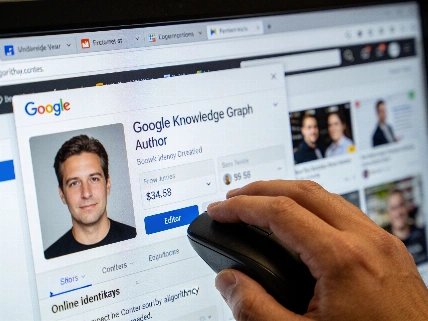
Invisible profiles are shaping your site’s fate. Google’s Knowledge Graph quietly builds an entity for every author-real or fake-using articles, social profiles, and third-party mentions. Here’s how this impacts your E-E-A-T and site visibility.
A federal judge refused to break up Google’s ad tech business. The decision leaves publishers and ad tech rivals facing the same dominant player, despite findings of an illegal monopoly.
Writers and publishers can now browse trending topics by category on Google Trends without entering a search term. The new feature promises sharper insights and more relevant data for content planning.
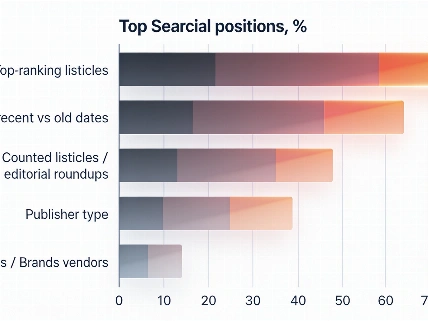
A review of 3,000 listicles shows that recent publication dates and clear item counts are the main factors for ranking high in Google and AI-powered search. Publishers still lead, but the landscape is changing quickly.
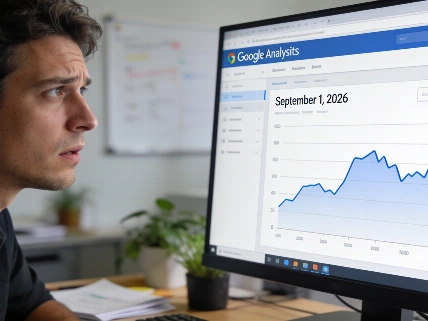
Traffic numbers for September 1 disappeared from Google Analytics dashboards, leaving publishers and marketers scrambling. The missing data appears to be a widespread technical issue, not a real drop in site visits. Google has not yet commented on the outage.
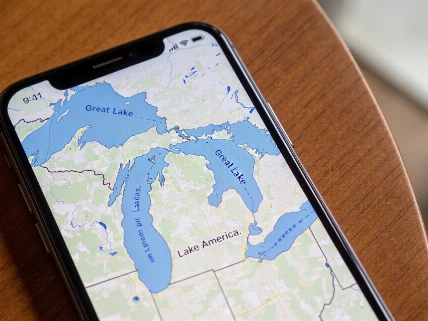
A forced rebranding on Apple Maps has triggered industry backlash. The White House’s executive order has left tech giants scrambling, while MapQuest quietly benefits as rivals comply.
A presidential order has triggered a major map update. Apple and Google now display 'Lake America' for U.S. users. MapQuest resists, gaining a surge in downloads.
A new California bill would block social platforms from using algorithmic feeds and autoplay videos for users under 16. Tech companies and digital rights groups warn of First Amendment issues. The decision could change how young people see content online.
Google Search now blocks automated scraping by requiring a manual button click before showing results. The change disrupts SEO tools and data extraction, affecting publishers and AI-driven content teams.
Google is piloting a new AI-powered search interface that removes the 'Expand' button and introduces a direct question field. Early tests show users find answers faster and engage more. Publishers and SEOs should monitor for changes in traffic and visibility.
OpenAI’s ad business, launched less than a year ago, has reached a $1 billion annualized revenue run rate. Publishers and creators are watching as ChatGPT Ads expand to new markets.
A federal judge has upheld a $425 million privacy verdict against Google over its data collection from mobile users who tried to block tracking. The decision raises the stakes for app analytics and user consent across the industry.
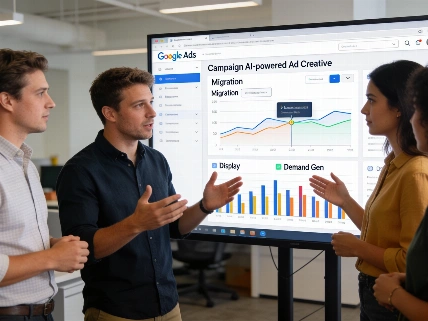
Standalone Display campaigns are being phased out as Google shifts advertisers to Demand Gen. Expect new AI-powered creative tools, expanded network reach, and changes to bidding strategies. Here’s what’s different and how to prepare.
Marketers often see inflated ROAS figures from ad platforms, while backend data tells a different story. Attribution errors and platform self-interest distort results, making true campaign impact hard to measure. Incrementality testing offers a clearer answer.
Rising AI expenses are forcing businesses to rethink their budgets. Google is introducing new billing options for Antigravity and Gemini Enterprise, with flexible plans designed to help brands and agencies manage unpredictable AI costs.
Manual penalties for Site reputation abuse will not affect search results for users in the European Economic Area after August 30. Google cites a European Commission decision for the regional change; the rest of the world will see no change.
New research from Google pinpoints which creative choices drive more conversions on YouTube. Human voices, early branding, and native visuals now have proven impact. The latest guidelines give advertisers clear, practical benchmarks.