A forced rebranding on Apple Maps has triggered industry backlash. The White House’s executive order leaves tech giants scrambling. MapQuest quietly benefits as rivals comply.
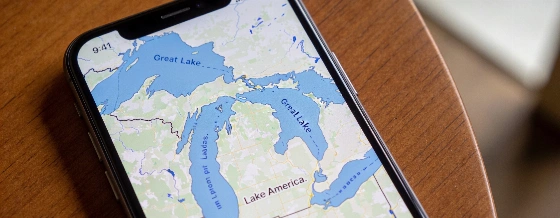
Apple has renamed Lake Ontario to "Lake America" on its Maps platform, following direct pressure from the White House. The change, made after an executive order, highlights how quickly tech companies can be pushed to update their products when national symbolism is at stake.
Apple Maps only displays the name 'Lake America' for users in the United States, while Canadian users continue to see 'Lake Ontario.'
The trigger was clear. On Monday, Interior Secretary Doug Burgum appeared on Fox Business and said Trump had personally called Apple to demand the change. Burgum said the company would act "soon," and within a day, Apple did. The company had already changed "Gulf of Mexico" to "Gulf of America" in a previous update, showing a pattern of quick compliance with federal orders.
According to Reuters, Apple made the change after the U.S. Geographic Names Information System updated the official federal name, and Apple synced its Maps data. The new name depends on the user's country: U.S. users see "Lake America," Canadians still see "Lake Ontario," and some international users see both names in different services.
There was initial confusion in the media about the timing of Apple’s update, with some outlets reporting delays. However, subsequent confirmations from Reuters, Bloomberg, and BBC established that the 'Lake America' label had gone live for U.S. users. This follows a similar pattern seen when Apple previously changed 'Gulf of Mexico' to 'Gulf of America' after another Trump executive order.
The fallout is already visible. MapQuest, once seen as outdated, is seeing a surge in use as people and publishers look for alternatives that have not yet adopted the new name. For content creators and newsrooms, the episode is another example of how quickly platform-driven policy changes can force teams to update references and workflows.
Apple’s decision is drawing criticism. Some say the company’s willingness to follow presidential demands undermines trust in its neutrality and could encourage more political interference in digital products. For publishers, the risk is clear: when platform policies can change overnight by executive order, editorial independence and factual consistency become harder to maintain. For now, MapQuest is the unexpected winner, showing that even older platforms can benefit when bigger rivals bow to political pressure. Apple’s update is more than a technical change; it’s a sign that the line between government power and platform control is thinner than ever, and publishers and strategists will need to adjust quickly.