Google AI Overviews May Be Losing Citation Cards
Screenshots shared by SEO consultant Brodie Clark show citation cards missing from some Google AI Overviews. Barry Schwartz could not reproduce the change and says the cards sometimes appear later.
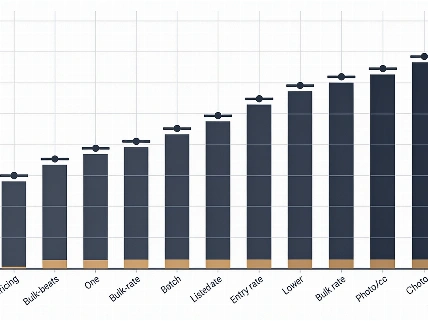
Google can show different rankings in Manchester and Leeds, while repeated automated checks from one IP may trigger CAPTCHAs or blocks. This comparison maps 10 providers against targeting options and per-GB prices.
Developers can register and test integrations built through cloud MCP servers or Android MCP using the AppFunctions API. Google says access is opening in stages for developers and markets, with more products to follow.
SaaS companies can improve search visibility with self-contained answers and original research, while tying content to the product. The playbook also covers integrations and gated research, with guidance on schema markup.
A first-page Google ranking does not ensure a link in an AI Overview. A March 2026 study found that 37.9% of cited pages ranked in the top 10, leaving law firms with technical and content gaps to investigate.
AI summaries can shape a company’s first impression before a user visits its site. PR teams are being urged to build useful content ecosystems and track citations alongside clicks.
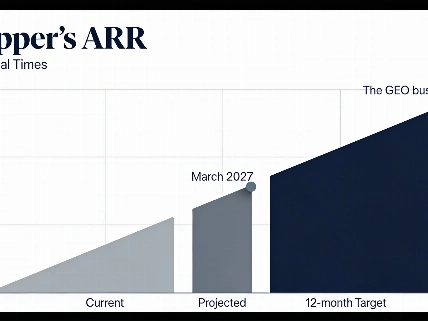
Pepper says its GEO business barely existed 18 months ago and is expected to top $10 million ARR shortly. The company reports more than 300% growth over that span and forecasts Rs 20 crore in EBITDA this financial year.
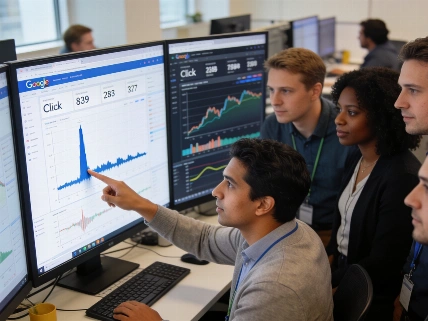
Google’s search systems track more than clicks, including how long people stay on a result and whether they return to reread an AI summary. A RESONEO document says those behaviors help shape what the next searcher sees.
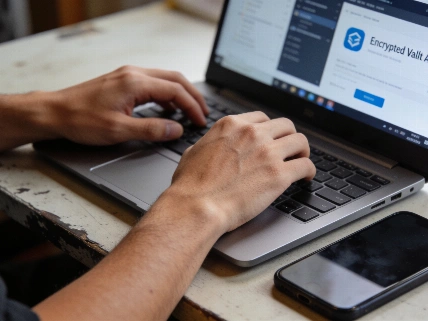
Rasty credits coding agents with producing the marketing site and SEO guides for his encrypted vault app. He says web traffic became the majority and converts at about 10%.
At least five Esports Insider bylines were replaced by a shared editorial label as staff disappeared from company channels. Pangram rated articles under that label 100% AI-generated, while Clickout Media disputed owning the site.
A model trained on billions of tokens predicted link placements in one article with close results. The same detection work can flag natural links too, putting a premium on editorial judgment.
At Google’s Barcelona event, Gary Illyes shared internal estimates for how long search processes can take. Some updates move in hours; others can take months or never finish when quality is an issue.
Zyppy’s analysis of 80,959 URLs found Google changed 61.6% of title tags in desktop results. Short and long titles were especially exposed while H1 alignment was associated with more consistent display.
Ann Smarty argues that Google’s concern is low-effort content, not AI itself. The 2025 algorithm leak included a contentEffort attribute, though its ranking role remains unknown.
A 2019 slide leak and a 2024 API schema point to systems for assessing fringe content and site quality. Their exact effects remain unknown outside Google, leaving a map of possibilities rather than a ranking formula.
Google says service pages created through user interactions should stay out of search results. It also urges platforms to investigate unusual indexing patterns that do not fit their purpose.
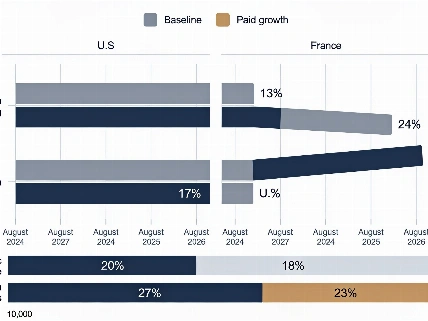
A Similarweb analysis of 10,000 domains found organic visits down 13% in the U.S. and 24% in France from August 2024 to August 2026. Paid search traffic moved in the opposite direction.
Some firms need stronger Google and AI visibility; others already attract traffic but lack qualified leads. This guide maps ten Singapore agencies to the search and conversion problems their services address.
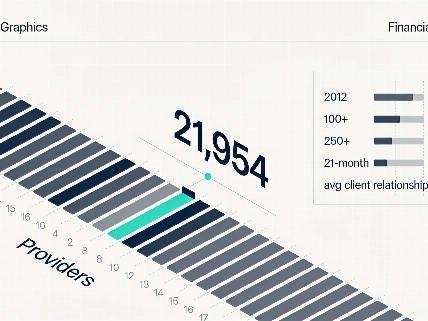
Clutch's October directory includes 21,954 U.S. SEO firms, and SeoProfy says it placed in the top 10. The Orlando agency is adding AI-search visibility work to its standard SEO services.
Damien Andell says a Google Discover test disables taps on the sources button in AI summary cards. Readers may lose access to the cited-article mini-feed, though the reported test could not be reproduced.
The report’s data put AI Overviews above 80% of Google searches. Earlier figures were about 50% in June 2025 and roughly 15% in 2024. SE Ranking reported an 82.5% rate for US brand searches.
A custom uBlock Origin filter can hide Google’s AI Overviews, while community lists target AI features across other sites. For a single search, udm14.com offers a no-install option.
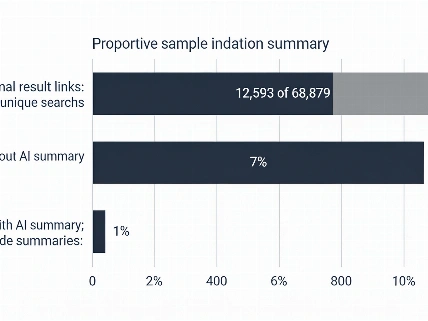
Google's expanded AI responses can displace the preview and its “Show more” control. Existing browsing data shows lower traditional-link click rates on visits with summaries, but it does not test automatic expansion.
After a match ends, its preview may no longer be useful to Discover readers. A Google research paper describes two filters that assess whether a story has been superseded or has received 90% of its potential traffic.
Pages with few links can still attract real visitors. Cloudflare says signals from a 1% network cohort helped OpenAI discover and index hundreds of millions of previously unknown pages for ChatGPT Search.
AI-generated answers can be wrong on specialized subjects, while Google results pages also carry shopping and information modules. JR Raphael says a long-standing detour can clear those additions from view.
A service page can leave out details customers need to judge a business. JH SEO Agency is expanding AEO and GEO services while tracking visibility across ChatGPT and Google AI Overviews, without promising placement.
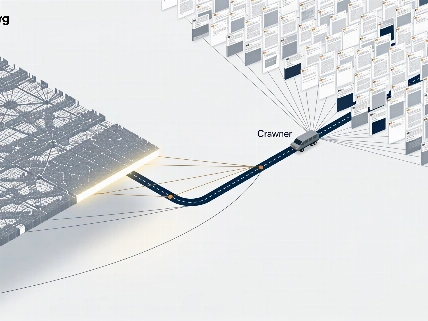
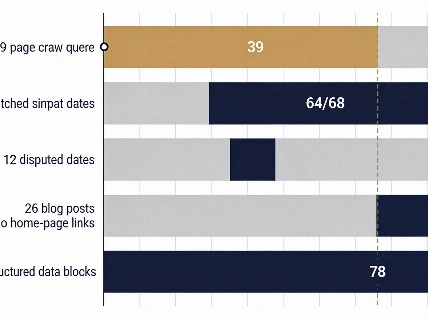
A 68-page bilingual tutoring site produced dozens of SEO warnings, but its checks found sound redirects and crawlable pages. The costly risk was resetting sitemap dates that reflected real page changes.
Google’s John Mueller says JPEG XL cannot currently appear in Google Images or as a Discover preview. Google’s documentation names BMP, GIF, JPEG, PNG, WebP, SVG and AVIF as supported formats.
Google’s Web filter strips a results page to blue links, while a saved Chrome search shortcut can apply that filter faster. The trade-off: Web mode also hides images, video, news, Maps and shopping results.