
Search & SEO Platforms - Page 2
92 articles
French Publishers File Complaint Over Google AI Search Summaries
A coalition of nearly 300 French newspapers has asked regulators to intervene after Google launched AI-generated summaries in search. Publishers say the feature threatens their web traffic and revenue.

Google Tests New AI Buttons on Search Home Page
A small group of users is seeing new options under the Google search box, including create images, ask about files, and brainstorm. The company says these buttons are designed to highlight AI-powered features and do not affect core search functionality.

How AI and Social Platforms Reshape Customer Search Confidence
Consumers now use AI, Google, Reddit, YouTube, and brand sites to resolve uncertainty at every stage of their search journey. New research reveals why confidence-not just visibility-drives modern search behavior.
Advocacy Group Pushes for Google to Divest Chrome Browser
A nonprofit urges the court to force Google to sell Chrome and block search distribution payments to Apple. The case could reshape browser competition and privacy decisions.

Googlebot Now Sends More Than Just GET and POST Requests
Less than 1.5% of Googlebot’s site requests use HTTP methods like HEAD, OPTIONS, PUT, PATCH, or DELETE. This rare activity is triggered by JavaScript functions during page rendering, according to Gary Illyes.

Why Top Google Rankings No Longer Guarantee Visibility
Organic search rankings don’t reflect what real users see on Google. Personalized results, AI Overviews, and paid placements now push even top listings far down the page. Businesses must rethink how they measure SEO success.

Google Confirms AI Mode Queries Now Count in GSC Performance
Follow-up questions in AI Mode are now tracked as separate queries in Google Search Console’s Performance report. This change impacts how impressions, positions, and clicks are recorded for site owners. John Mueller confirmed the update.

Six Expert Views on Measuring AI Search Demand
Marketers face a new challenge as AI search changes how demand is measured. Six leading organizations reveal why website traffic is no longer enough, and what metrics now matter for visibility, trust, and influence.
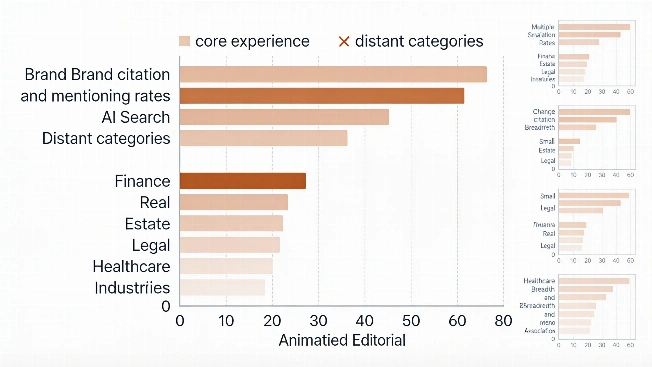
Why AI Search Recommends Brands With Deep Topical Focus
AI search engines often cite brands across a wide range of topics, but only recommend those with proven authority in specific categories. New research using Semrush data reveals how repeat mentions, not just citations, drive true visibility-and why this effect varies by industry.

AI Overviews Undercut Paid Search Ads on Google SERPs
Advertisers face new risks as AI-generated answers on Google can contradict or ignore paid ads, impacting click-through rates and campaign costs. Subtle query changes now shift which brands are recommended, challenging both SEO and PPC strategies.

IAB Unveils New Metrics for AI Search Visibility
Publishers and brands face new challenges tracking their presence in AI-driven search. The IAB has released guidance on measuring visibility, but stops short of setting standards. Marketers must adapt as AI search evolves.

Why Sales Incentives Break SEO and AI Promises
Misaligned sales rewards often lead to overpromising in SEO and AI deals. Delivery teams inherit unrealistic expectations, while clients face disappointment. Learn how better incentives and collaboration can prevent costly disconnects.

Google Faces New Wave of Lawsuits After $1B EU Fine
A fresh billion-dollar penalty from the EU has sparked more legal action against Google. Smaller European rivals are now seeking damages, adding to the tech giant’s mounting regulatory challenges.

How to Break Down SEO and PPC Silos for Maximum Impact
Many companies struggle to align SEO and PPC teams, missing out on valuable search real estate. Discover proven organizational models, shared metrics, and data exchange tactics that drive collaboration and boost ROI.

Google Tests Household Income Exclusions in Performance Max
A new campaign setting lets advertisers exclude specific household income brackets in Performance Max, offering more audience control without sacrificing automation. The feature could reshape targeting for luxury, finance, and value-focused brands.
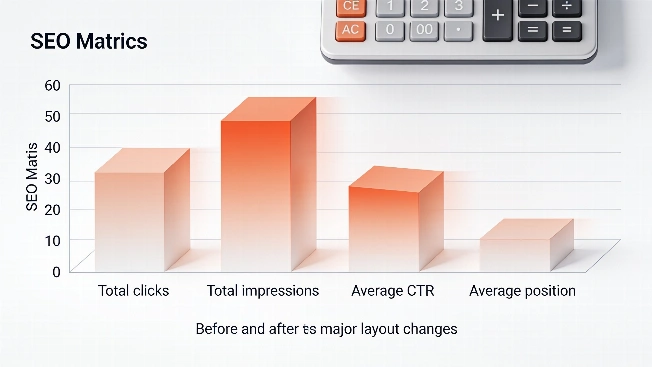
Google Bans Fake and Undisclosed Incentivized Reviews in Snippets
A new guideline from Google prohibits fake or undisclosed incentivized reviews in review snippet structured data. Publishers must now ensure all reviews are genuine and transparently disclosed to remain eligible for rich results.
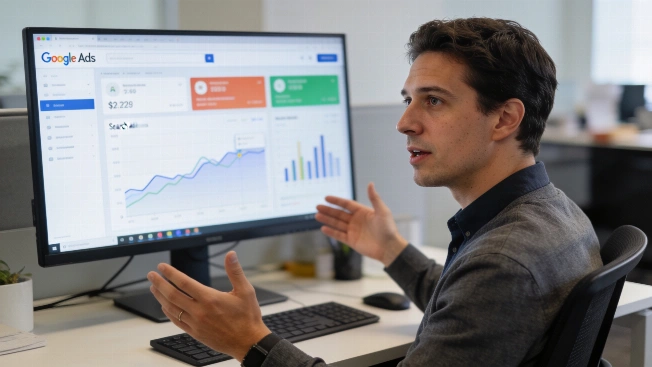
Google Rolls Out AI Max to Monetize Billions of Searches
Previously untapped search queries are now open to advertisers as Google launches AI Max out of beta. The tool uses artificial intelligence to expand ad reach, optimize copy, and match ads to relevant pages in real time.
Google’s DSA Campaigns to Be Replaced by AI Max in 2027
Standalone Dynamic Search Ads will be phased out as Google shifts to AI Max for Search. Advertisers must prepare for new targeting, creative controls, and campaign structures before the February 2027 migration.

ChatGPT Now Integrates Yelp Reviews, Ratings and Photos
OpenAI’s ChatGPT will now display real-time Yelp reviews, ratings, photos, and business info in local search results. Users can request quotes from service providers directly in ChatGPT. Yelp branding and links will be included.

Major Publishers Rethink Google Access as AI Alters Search Traffic
Traffic from Google is no longer guaranteed for publishers. Reddit and several major media brands are weighing whether to restrict Google’s use of their content as AI-driven search features disrupt revenue models.

Court Sides With SerpApi, Dismissing Google’s DMCA Claims
A federal judge tossed out Google’s DMCA claims against SerpApi, pausing discovery and giving Google 21 days to revise its complaint. The outcome could impact how search data is accessed and protected online.

News Corp Sues Brave AI Over Alleged Copyright Violations
A major publisher claims Brave AI copied and sold its news content. The lawsuit accuses Brave of undermining licensing deals and journalism revenue. Brave denies wrongdoing and says it only indexes public web content.

Most ChatGPT Topics Lack Clear Brand Leaders
A new Semrush analysis reveals that just 15.2% of ChatGPT topic categories have a dominant brand. Traditional SEO metrics fail to predict brand authority, and most high-demand AI search topics remain unsettled.

US Court Dismisses Google’s Lawsuit Against SerpApi Over Search Data
A federal judge in California has thrown out Google’s case against SerpApi, citing lack of proper authority. The decision could reshape how data scraping disputes are handled in the search industry. Legal experts call it a key precedent.

Google Adds Top Stories to AI Overviews for US Mobile Users
News publishers may see a boost as Google’s AI Overviews now display Top Stories and timely updates for mobile users in the US. The feature highlights fresh perspectives and preferred sources, with wider rollout expected.

Google Claims AI Search Sends Billions of Clicks Weekly
Despite concerns over declining website traffic, Google says its AI-powered Search features now drive billions of clicks to external sites each week. The company maintains that overall Search activity remains strong, even as zero-click searches rise.

EU Orders Google to Share Search Data With Rivals
Starting in 2027, Google must provide anonymized search query data to competing platforms under new EU rules. The move aims to level the playing field and foster privacy-focused alternatives in the search market.

Google Makes Local Inventory Ads Default in Shopping Campaigns
Starting August 31, Shopping campaigns with eligible Merchant Center accounts will have Local Inventory Ads enabled by default. Advertisers must update settings to maintain separate budgets for online and in-store products.

EU Set to Rule Google Broke Search Competition Rules
Regulators in Europe are preparing to declare that Google unfairly promoted its own shopping and travel services in search results. The decision could force major changes to how rival platforms appear in high-value queries.

Why Google’s Content Doctrine Means Publishers Can’t Win on Quality
Google’s approach to content quality is built on distrust of publishers. Subjectivity, unverifiable standards, and shifting rules make it impossible to optimize for true quality. Here’s what that means for content creators.
Page 2 by 4