How Journalists Can Stand Out in an AI-Driven Job Market
AI is changing how journalists apply for jobs. Employers want candidates who use AI tools while demonstrating skills technology can't replace. Learn what hiring managers look for now.


AI-driven platforms now repackage news without directing users to publisher sites. Liquid content adapts to each distribution channel, creating major traffic and visibility challenges for publishers.
Federal subpoenas target New York Times reporters after their coverage of security concerns involving President Trump's new Air Force One. The move raises pressure on independent newsrooms.
Newsrooms in Latin America are formalizing AI policies, setting clear rules and training staff while building oversight to manage AI’s role in reporting. Recent incidents highlight the risks of unclear guidelines.
A new Spanish-language Playbook is coming this fall. POLITICO has hired Angel Villarino and Enrique Andres-Pretel to lead its Madrid newsroom, signaling a deeper focus on Spain’s political and policy field.
Publishers using Piano can now report IVW-certified traffic without extra tools. Haas Mediengruppe is the first to adopt the integration, which aims to simplify digital audience reporting.
A new publisher-led initiative aims to give media companies control over how AI systems use their content. The SPUR structure focuses on transparency and usage-based licensing. The Associated Press is the first U.S. founding member.
New York City Mayor Zohran Mamdani’s office is demanding an on-air apology from ‘The View’ after host Sara Haines made controversial comments about a Democratic nominee. The dispute highlights growing friction between progressive politicians and mainstream media.
Major publishers unite to address the unlicensed use of journalism in AI. The Associated Press brings licensing expertise to the SPUR Coalition. New standards aim to improve transparency for content creators.
Thousands of AI-driven news sites are exploiting Google Discover for profit. French journalist Jean-Marc Manach has tracked more than 15,000 such sites, raising urgent questions for publishers and platforms.
A Getty Images intern documented a tense encounter on the DC Metro. His photos of a nonprofit leader surrounded by masked demonstrators gained global attention. The subject later described the photographer’s presence as reassuring.
New EU regulations will require clear labeling of AI-generated content starting in August 2026. Publishers and businesses must identify which materials need disclosure and understand the risks of non-compliance.
Reuters’ new server lets publishers bring its journalism directly into AI-driven editorial systems. The tool is designed to simplify content assembly and improve newsroom efficiency.
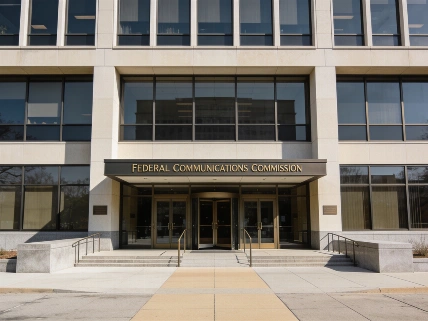
Watchdog groups say the FCC's review of 'The View' threatens editorial independence and raises concerns about First Amendment protections. ABC and advocacy organizations are pushing back against the agency's latest guidance.
A study based on interviews with 14 journalists in Singapore finds that AI tools may erode foundational reporting skills while increasing the need for fact-checking and editing, with originality also at a premium. The findings add to a growing debate over how automation is changing newsroom work.
Media and journalist groups are protesting proposed changes to Germany's information law, saying the reforms would limit public oversight and make reporting harder. More than 100 organizations have signed an open letter.
A $45 million settlement will see Block pay 46 states after regulators found major gaps in Cash App’s fraud prevention. State authorities are stepping up as federal oversight recedes, raising the stakes for fintech compliance.
Hundreds of French news publishers will receive payments for content used in Google’s AI Overviews, while other parts of the French web are excluded. The move follows a major court ruling and signals a new era for publisher compensation.
A developer has launched Knockoff, a free browser extension that hides questionable brands and sponsored listings on Amazon. The tool quickly drew attention by giving users more control over what they see while shopping.
A new agreement will allow Microsoft Copilot to reference content from Nine’s major Australian mastheads in AI search results. The deal aims to integrate trusted journalism into those results and direct users to original reporting.
Traditional TV news is losing its core audience. The 2026 Reuters Digital News Report details how quickly viewing habits are changing, as broadcasters face pressure to adapt to declining scheduled viewing.
Media outlets are cutting back on climate reporting. Recent data show a steep drop in coverage and airtime, putting pressure on the quality of climate journalism.
Major legal and regulatory shifts are changing how US media is funded and influenced. Supreme Court and FTC actions, alongside AI-driven disinformation, raise urgent questions for advertisers. The ad industry’s choices now shape the future of information.
A high-profile Oval Office event shifted focus when Donald Trump addressed FIFA’s decision on Folarin Balogun. The timing put U.S. media and corporate influence in the global spotlight.
A major industry group has appointed a new leader for its AI strategy. Ezra Eeman will oversee programs to help publishers adopt artificial intelligence, reflecting WAN-IFRA’s focus on practical AI support for newsrooms.
With the World Cup off free TV, RTL and ProSieben won over younger audiences on Sunday night. Their films outperformed rival private-channel offerings, while public broadcasters led overall viewership. Audience figures show how attention shifted across the weekend.
Americans’ trust in local news is slipping as perceived value falls, and partisan gaps are widening. Fewer people are turning to traditional outlets, raising questions for publishers.
Established football websites are publishing AI-written stories with errors and fabricated quotes, while promoting gambling content. The cases have raised concerns about affiliate marketing and editorial standards.
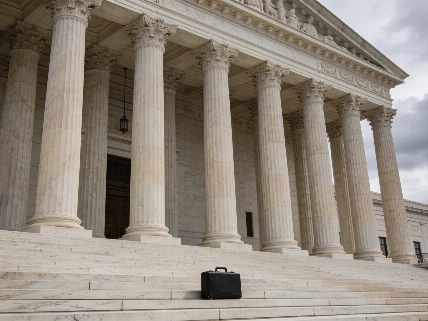
Two recent Supreme Court actions carry impressive implications for press freedom. The justices declined to halt an order that would force a reporter to reveal a confidential source and declined to revisit a basic defamation precedent.
As the United States approaches its 250th anniversary, AI and misinformation are intensifying concerns about journalism and democracy. Public media also faces funding cuts and growing challenges to trust.