Watchdog groups say the FCC's review of 'The View' threatens editorial independence. The investigation raises concerns about First Amendment protections. ABC and advocacy organizations are pushing back against the agency's latest guidance.
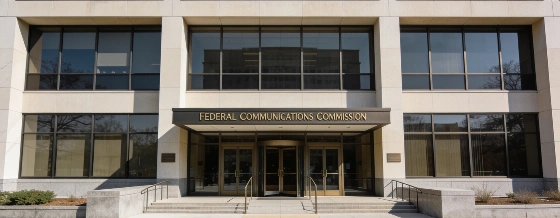
Media and publishing professionals are closely watching the Federal Communications Commission as it faces mounting criticism from free speech advocates over its investigation into ABC's 'The View.' The probe centers on whether the talk show violated the equal time rule by airing an interview with Texas State Rep. James Talarico, who was then a Democratic Senate candidate. Watchdog groups argue that the FCC's actions could undermine editorial discretion and set a troubling precedent for news and talk show producers.
Organizations including TechFreedom, The Authors Guild, and Public Knowledge, along with dozens of academics, submitted comments to the FCC this week, calling the investigation 'egregiously unconstitutional.' They contend that the agency's scrutiny of 'The View' and similar programs appears to target speech disfavored by the current administration, warning that such actions could chill open discussion on broadcast platforms.
The equal time rule requires broadcasters to offer free air time to all legally qualified candidates if one is given such access. However, longstanding FCC policy exempts bona fide newscasts, interviews, and documentaries. In 2002, the FCC's Media Bureau determined that 'The View' qualified for this exemption, a position consistent with previous rulings for other talk shows since at least 1984.
In January, the FCC issued new guidance stating that exemption decisions are 'fact specific' and encouraged broadcasters to seek advance rulings from the Media Bureau. FCC Chairman Brendan Carr said this approach would ensure fair application of the law, but also noted that programs deemed 'fake news' would not qualify for the bona fide news exception.
ABC responded in May by petitioning the FCC to reaffirm 'The View' as exempt, arguing that overturning the 2002 decision would raise First Amendment issues and restrict editorial judgment. The broadcaster said that enforcing the equal time rule without regard to newsworthiness would limit the ability of producers to make editorial choices.
Advocacy groups are urging the FCC to both grant ABC's petition and withdraw the January guidance, which they say pressures broadcasters to conform to the preferences of agency leadership. They argue that requiring advance rulings effectively institutionalizes 'jawboning,' or informal government pressure on editorial decisions, referencing past attempts by Chairman Carr to influence programming choices at ABC.
Concerns about government overreach in media regulation have surfaced in other recent legal battles. For example, the Supreme Court's recent actions to protect journalists' rights, as discussed in this report on press freedom cases, highlight ongoing tensions between regulators and the First Amendment.