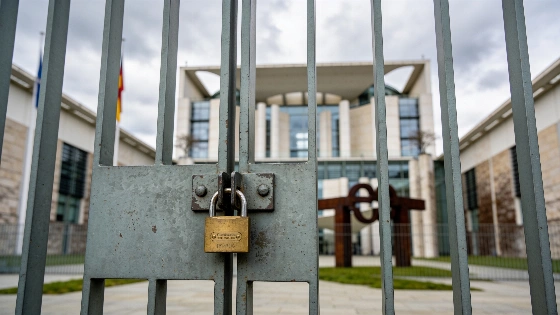
Proposed changes to Germany’s Informationsfreiheitsgesetz (IFG), the federal Freedom of Information Act, have drawn strong opposition from publisher and journalist associations. Industry groups warn that the reforms would restrict access to public documents and make investigative reporting harder, weakening a tool the public can use to hold authorities accountable. The governing CDU/CSU and SPD coalition has cited administrative burdens and a changed security situation among its reasons for reform.
In force since 2006, the IFG generally allows anyone to request documents from federal authorities without demonstrating a special interest, subject to statutory exceptions. A coalition committee decision on 1 July 2026 proposed focusing access rights on natural persons with a “legitimate interest” when the information cannot be obtained through another legal route. The proposal also contemplates limiting eligibility to people living in Germany and EU citizens. Organizations could be excluded, officials’ names redacted and fees recalibrated to reflect administrative costs. These are proposed changes, not rules in force. The federal government told the Bundestag that its deliberations were ongoing and its decision-making was not complete, as set out in its parliamentary response.
The proposed shift would make an applicant’s status and purpose a preliminary condition for access. The coalition’s reported formulation focuses future information rights on natural persons with a legitimate interest in obtaining information. That could complicate work by journalists and organizations that rely on repeated requests to compare records across agencies. The government has also cited security concerns, including the protection of critical infrastructure. Counter-espionage and counterterrorism feature in its explanation of the proposed reform.
The BDZV and MVFP, two major publisher associations, have called for parliamentary scrutiny of the proposed changes. They argue that restricting access to state information would undermine independent journalism and reduce transparency. Efforts to cut bureaucracy, they say, should not come at the expense of press oversight.
A coalition of 116 organizations and media outlets has sent an open letter to the government, the Interior Ministry and lawmakers. Its members include Netzwerk Recherche and Deutscher Journalisten-Verband; “taz” is also among the signatories. The letter urges officials to protect the IFG, saying the law has enabled the exposure of corruption and abuse of power over two decades. The coalition warns that the proposed reforms would sharply reduce the number of requests and deal a serious blow to press freedom in Germany.
The dispute has also reached the courts. On 2 October 2026, the Berlin Administrative Court issued a decision in an emergency-access case involving FragDenStaat and the Federal Ministry of the Interior. In case VG 27 L 256/26, the court addressed journalistic access and the media’s watchdog role; it set the amount in dispute at €5,000. Heise reported that the ministry could not produce evidence in court to support its claims of security threats or that authorities were overwhelmed by requests. The ruling concerned the emergency-access dispute and did not determine the content of any future IFG amendment, information from Heise’s account of the decision.
Concerns about government limits on journalistic access have surfaced elsewhere in Europe as well. Recent Supreme Court actions in the US have also shaped the legal field for press freedom, as seen in a recent case involving protections for reporters.