How Toxic Backlinks Quietly Limit Your Site’s Visibility
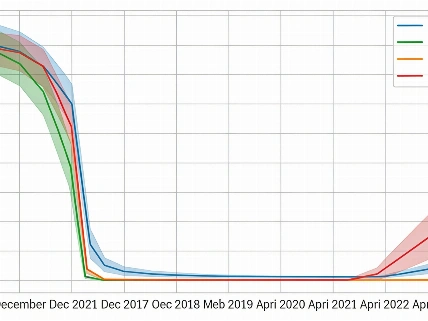
A sudden drop in search traffic may not stem from a few bad links. Large-scale backlink manipulation can draw enforcement, though Google’s systems can ignore many spammy links.

AI-driven shopping is changing how products are discovered and recommended. Brands must keep product data accurate and structured, and feeds current, so AI systems can evaluate and promote their offerings.
AI-powered shopping agents are now handling product discovery and purchases directly in Google’s environment. Brands must adapt their product data and SEO strategies or risk losing visibility as search shifts from clicks to transactions.
Major publishers are weighing whether to block Google's crawler to prevent their content from being used for AI training without compensation. The move could affect Google Search result quality and reshape publishers' traffic strategies.
A new AI search tool lets signed-in US desktop users aged 13 and older ask questions in plain English, then get instant answers with video clips and Shorts, plus prompts for follow-up questions. The feature is expanding beyond Premium members.
Google is adding agentic AI across its products, changing how devices interact with websites. Gemini can complete browser tasks for users, a shift with implications for search and ecommerce, including how sites are optimized.
Thousands of AI-driven news sites are exploiting Google Discover for profit. French journalist Jean-Marc Manach has tracked more than 15,000 such sites, raising urgent questions for publishers and platforms.
A freelance writer discovered AI-written stories published under his name after his dismissal. The publisher said it uses AI with human oversight, highlighting risks for editorial teams.
Site owners now have a clearer timeline for when Google processes canonicalization changes. Updated official documentation says fixes can take up to 14 days to appear in search results, helping prevent unnecessary tweaks.
AI engines now shape brand discovery and transactions. Learn six impressive steps to help your brand get found and trusted before AI systems choose it. The new rules of agentic commerce are here.
SEO advice is often dismissed as vague or unproven. Citing Google's official documentation can build trust and help teams prioritize search-related work. Here’s how it changes buy-in.
Traditional SEO is no longer enough. Companies must understand how AI search platforms like ChatGPT, Copilot, Gemini, and Perplexity surface and rank content. Rankscale founder Mathias Ptacek explains why AI visibility requires new strategies.
Marketers and publishers can now see how their social and video posts perform in Google Search and Discover. Google’s new platform properties feature provides detailed analytics for content on Instagram, TikTok, X, and YouTube.
A new study compared leading AI language models for B2B marketing and sales content. Claude narrowly outperformed Gemini, while ChatGPT lagged behind. All models struggled with text clarity.
Some users have spotted Google testing new tracking URLs in search results. The change could affect analytics and third-party tracking tools. Early reports suggest a limited rollout.
AI agents now help marketers audit and improve campaigns faster. Stagwell’s new process connects Microsoft Copilot to live ad data. Human expertise remains central to every decision.
A developer has launched Knockoff, a free browser extension that hides questionable brands and sponsored listings on Amazon. The tool quickly drew attention by giving users more control over what they see while shopping.
A new experiment reveals which AI chatbots pull live information from the web and which rely on training data. The findings could affect how publishers and SEOs approach content visibility in AI-driven search.
AI-generated summaries are appearing under paid search ads. The experiment could change how users evaluate ads and how brands manage messaging. Marketers face new questions about control and responsibility.
Short user comments on Reddit and similar sites can manipulate AI-powered search tools, a new Cornell study finds. Even 13-word snippets may sway ChatGPT or Google AI into promoting spam or scams, raising concerns about search reliability.
ChatGPT relies on a mix of open-web scraping and licensed publishers to deliver news and information. Each data source plays a distinct role, from global headlines to local updates. Here’s how these providers shape what users see.
A Google representative says major web crawlers and AI models do not recognize Cloudflare’s new Content-Signal directive for robots.txt files. The statement matters to publishers and SEO professionals considering whether to use it.
A major media group lost nearly all its organic traffic after a area migration. Fixing soft 404 errors and indexing issues restored visibility across 13 country sites, offering lessons for publishers facing similar SEO challenges.
A new poll shows that SEO teams overwhelmingly lead AI-driven search improvement in most organizations. Only a small fraction assign the work to teams without SEO professionals.
A leading SEO specialist has criticized HubSpot for offering AI-generated AEO advice that could harm websites. The controversy highlights growing concerns about automated improvement tools and their real-world impact.
Businesses hit with multiple fake review violations now face a two-month freeze on Google Business Profile ratings and feedback. The extended penalty aims to curb incentivized or fraudulent reviews and signals stricter enforcement.
Google’s AI-generated search summaries have surfaced sensitive suicide details prominently in search results. Mental health organizations say the information conflicts with reporting guidelines, raising questions about editorial standards for AI content.
AI companies face new rules on web crawling. Cloudflare will block mixed-use bots from ad-supported pages by default starting in 2026. Publishers may gain more control over and revenue from AI training access.
A new Chrome tool gives SEO professionals access to performance data alongside Google Search Console’s AI Overviews report. The extension puts basic metrics on the page for faster analysis, so users need not switch tabs or export CSVs.
Major publishers are redesigning parts of their websites for AI agents. New formats aim to keep content visible as AI-driven search grows. Time and The Economist are among those testing agent-friendly site versions.