arXiv clamps down on AI paper flood with strict submission limits
arXiv sets hard caps on submissions after a wave of AI-generated papers overwhelms its volunteer moderators. Low-value research floods the system, slowing real science.

AI shapes more shopping choices than ever, but trust issues remain. New Razorfish research shows how US buyers use AI-and where doubts linger.
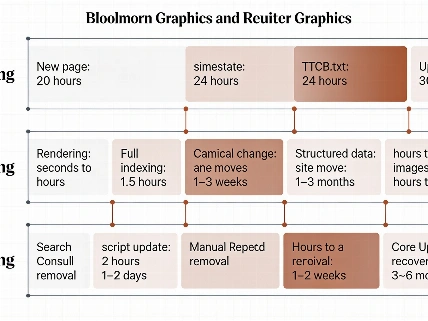
Google has published hard numbers on how long it takes for new and updated pages to get crawled, indexed, and shown in search. SEOs and publishers now see the real delays behind site discovery and ranking.
The Washington Post now lets readers see every step of its investigations. Its new brand platform pulls back the curtain on how big stories are built.
A new Pew survey shows global skepticism about social media’s effect on democracy is rising fast. In several countries, negative views now match or exceed US levels.
A free AI-powered app has topped Argentina’s news-app charts. Two 23-year-olds built Lisa to deliver personalized audio briefings without ads. Its approach reflects changing ways young audiences access journalism.
A leaked video shows Magnet Forensics has developed technology to keep iPhones open for police, putting Apple’s latest security update at risk. The fight over device privacy is growing sharper.
A single CTV result in your marketing mix model can mask critical differences. Marketers relying on one number risk missing costly mistakes. Here is why MMMs need sharper follow-up.
Australia wants Instagram users over 16 to pick what fills their feeds. Meta warns engagement could drop by half. Will brands finally have to make content people actually care about?
AI search is draining publisher traffic. Media leaders are moving fast to build direct ties with readers, betting on creators and newsletters to keep revenue alive.
A handful of publishers are now getting paid based on how much their content fuels Google’s AI search and Gemini chatbot. The move lands as regulators and media companies press Google over AI-driven shifts in web traffic.
A coalition of top news organizations is seeking summary judgment against OpenAI and Microsoft, accusing them of massive unauthorized copying to fuel AI products. The case exposes the high-stakes battle over the future of journalism and AI.
Millions get stories on their phones without searching. Google Discover’s algorithm quietly decides what appears and what disappears. The process is complex and mostly hidden. Here’s what really happens.
Only 10 percent of adults aged 18 to 24 watched local news in a week. New survey data shows a sharp generational split in news habits.
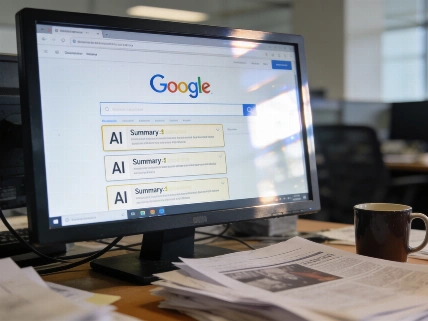
Media sites are losing millions of visitors as AI tools summarize articles. Brown Brothers Media is buying up failed outlets to fuel automated content mills.
A plush mascot named Jolly fronts Meta’s Muse AI agent, restricted to users 18 and older. The toy-like design is drawing scrutiny from youth advocates and privacy experts who warn it could disarm users and obscure surveillance risks.
Opaque data and shifting AI answers are eroding trust in AI tracking. Rand Fishkin lays out five reasons publishers and marketers should question current analytics claims.
Discover’s traffic is a rollercoaster-big surges, then nothing. Publishers hoping for steady growth get a wake-up call as Google’s feed lifts mass-appeal stories and leaves B2B projects in the dust.
AI now decides which restaurants get found. A new study shows most quick service spots are invisible in AI recommendations, even if they show up on Google.
AI tools churn out news summaries in seconds, but mistakes and fakes are everywhere. Publishers now spend more on real reporting and verification to keep up.
Nestlé has picked WPP to build and run an AI-powered content operation for all its brands in Greater China. The deal covers more than 35,000 assets a year and marks a new push in digital marketing scale.
Google’s new pay-per-value pilot offers direct payments for AI use of publisher content, but many in the industry see more risk than relief.
Giant notes on a Salford estate and a wild fountain on London’s South Bank are Channel 4’s latest moves to get people talking. Katie Jackson explains why sparking conversation now drives the network’s marketing.
A flood of bot traffic forced News UK to rethink its defenses. With one in five visits coming from bots, the publisher now blocks 6 percent of all hits. Here’s how AI and scraping are changing the game.
AI companies now face strict demands from publishers who want fair value and control. The New York Times spells out its hard rules for any AI licensing deal.
Hundreds of thousands of search rankings vanished in just two days after Google’s August 2026 spam update. Sites using AI-generated content, thin affiliate setups, and misleading redirects took the hardest hit.
AI-powered inboxes are now filtering out bland newsletters. Dan Oshinsky warns that only emails with real value will make it through. Here’s what publishers need to change-and why old tricks won’t work anymore.
A top UK publisher moved its entire site from .co.uk to .com in one night. News visibility fell from 1 to 2 percent to just 0.02 percent in two weeks. Months later, the site still hasn’t bounced back.
Amazon has shut out Meta’s Muse AI from its shopping site. The move marks a new clash over automated shopping tools and who controls the buying process.
AI prompt traffic is breaking apart. ChatGPT’s lead is shrinking fast as Gemini and Claude pull in more users. Publishers now have to rethink how they track and profit from AI visibility.