Meta acquires Swedish AI startup Stilla.ai to boost business messaging
Meta has bought Swedish startup Stilla.ai to strengthen its automated messaging tools for businesses. The move is part of Meta's push to find new revenue beyond advertising.
After years of losses and sweeping layoffs, the Washington Post says it could break even by 2026. But with shrinking web traffic and subscriber backlash, can new digital revenue fill the gap?
Traffic and revenue for established sites plummeted after Google’s August 2026 spam update. Manual penalties are compounding the fallout. Here’s what publishers must do to avoid deeper losses and why quick fixes often backfire.
With AI serving up answers before readers even click, Ashwin Padmanabhan argues that publishers need to move beyond chasing pageviews and invest in trust and direct audience connections.
A Pulitzer-winning nonprofit is scaling up with a new Arkansas newsroom and a multimillion-dollar video push. Deep South Today must balance rapid growth with sustainable local journalism.
A Boston Globe newsletter aimed at Gen Z and young Millennials has reached 60,000 subscribers. Its high engagement challenges assumptions about whether young audiences will ever pay for news.
Monetization rules are changing fast. Platforms demand more, brands rethink partnerships, and creators scramble to diversify. Here’s what will define Q4 for anyone betting on content.
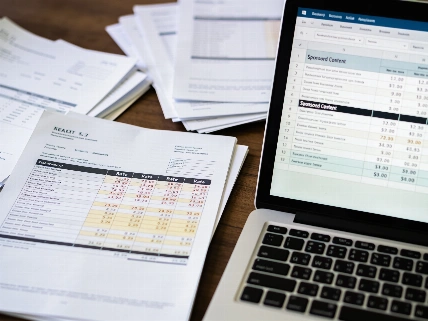
Publishers are losing revenue as agencies exploit inconsistent sponsored content pricing. One agency buying from over 10,000 sites reveals why most publishers undercharge and how intermediaries pocket the difference.
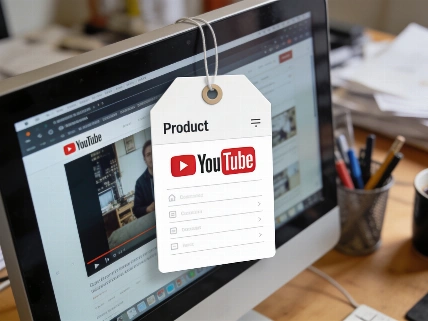
YouTube is piloting local merchant product tags for affiliate videos. The move could speed up delivery and reshape creator earnings. Here is what changes for publishers and creators.
Reddit is making its Max AI-powered ad campaigns available to every advertiser, adding API integration and new creative controls aimed at lowering costs and boosting conversions.
Two major newsrooms accuse OpenAI and Microsoft of exploiting their journalism for AI training. The lawsuits spotlight growing risks for publishers as generative AI reshapes content economics.
Authors expecting Anthropic settlement payments are seeing publishers and agents claim unexpected shares. Disputes over rights and payment splits are escalating. The process exposes deep flaws in industry recordkeeping.
Digital ad platforms now call themselves agentic but keep over 70 percent of ad spend. Are these companies really acting in your interest or just repackaging old tactics?
Advertisers want proof their campaigns work-not just broad reach. CNN is combining AI, first-party data, and hands-on sales teams to deliver measurable results across platforms.
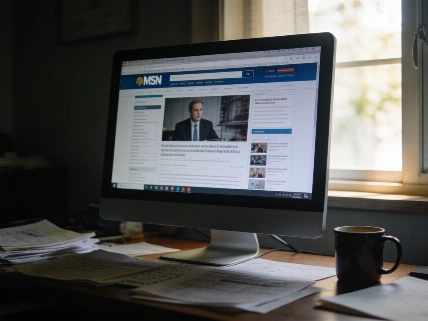
MSN is quietly cutting off independent publishers, while AI-generated content now makes up a third of new web pages. SFGATE’s paid app sees a 90% trial-to-paid conversion rate. The digital publishing landscape is shifting fast.
AI-powered bots are flooding publisher sites, driving up costs and siphoning audiences. New data reveals a 62.5% surge in bot-driven sessions, with AmazonBot leading the pack.
A federal judge refused to break up Google’s ad tech business. The decision leaves publishers and ad tech rivals facing the same dominant player, despite findings of an illegal monopoly.
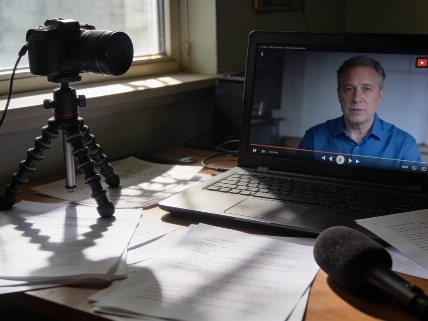
Millions of Americans are watching political news videos fronted by paid actors and scripted by AI. A new breed of YouTube operators is cashing in on algorithmic virality, fueling misinformation and reshaping digital media economics.
US creators on X now have only one way to get paid: X Money. Stripe is out, instant payouts are in, and there are no alternative options.
A solo journalist built a 7,500-subscriber newsletter by exposing college football’s secrets. His experiment with paywalls reveals what really drives reader revenue-and what doesn’t.
A new California bill would block social platforms from using algorithmic feeds and autoplay videos for users under 16. Tech companies and digital rights groups warn of First Amendment issues. The decision could change how young people see content online.
RedBird Capital Partners is in talks to become Puck's largest shareholder, a move that could mean a major payout for employees and signal a shift in digital publishing. The industry is watching to see what happens next.
AI-powered research reveals most New Jersey news influencers focus on lifestyle and commentary, not original reporting. Monetization remains unstable. Audience engagement demands more effort than traditional journalism.
Vox let an AI seller agent handle an entire ad buy, from brief to launch, in less than two minutes. Humans still approved the deal, but automation took over the process. This marks a shift in how publishers approach digital advertising.

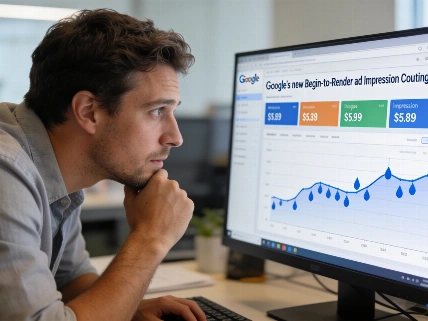
AdSense will soon count impressions only when ads fully render on users’ devices, not when downloads start. Effective February 17, 2027, the change could lower publishers’ reported impressions and earnings. Here’s what’s changing and why it matters.
Advertisers are shifting budgets as new data reveals which programmatic DOOH formats and venues drive the strongest results. Here’s how to maximize reach and ROI in a crowded omnichannel market.
OpenAI’s ad business, launched less than a year ago, has reached a $1 billion annualized revenue run rate. Publishers and creators are watching as ChatGPT Ads expand to new markets.
Many publishers ignore former subscribers, missing a major revenue source. Data-driven reactivation can outperform cold acquisition. Here’s how to turn dormant relationships into lasting value.
Search referrals to publisher sites have plunged from 70% to under 20% in three years. John Nardone says this is a permanent shift. Publishers must now adapt to new distribution realities.
Marketers in Europe gain access to ChatGPT Sponsored ads as OpenAI launches its largest ad platform expansion. New tools and incentives aim to attract brands seeking engaged audiences. Early data hints at low ad frequency and light competition.