
Audience Behavior Analysis - Page 3
235 articles
Why Linear TV Remains Valuable Despite Agency Challenges
Operational hurdles, not audience loss, are holding back linear TV. Smaller agencies face high costs and complexity. New tech platforms aim to make linear TV more accessible and efficient.

Instagram Expands Reels and Stories to Samsung Smart TVs
Instagram is now available on Samsung Smart TVs in the US. Users can watch Reels, Stories, and longer videos on the big screen. Meta aims to bring social video into shared living rooms.

Meta Removes 750,000 Underage Accounts in Australia Using AI
AI-powered detection led to the removal of hundreds of thousands of teen accounts. Meta is acting under Australia’s new social media age restrictions. Enforcement is ongoing, with more accounts expected to be flagged.

HolidayCheck Leads Google AI Travel Search Visibility in Germany
AI is changing how travelers find and book trips. HolidayCheck now ranks first for visibility in Google’s AI-powered travel search results. The platform’s content and technical strategy drive its lead.

Linear TV Holds Back Digital Ad Platforms’ CTV Ambitions
Streaming ad growth is slowing as linear TV keeps most U.S. ad viewing. Digital ad platforms face shrinking opportunities while walled gardens dominate connected TV. Analysts see no quick shift ahead.

How LLM Referral Traffic Is Reshaping Conversion Strategy
AI-powered search is sending visitors to websites with higher intent than traditional paid search, but their journey looks nothing like a standard PPC funnel. Marketers must rethink landing pages and measurement to capture these high-value leads.

Why Demand Gen Is Transforming the PPC Playbook
Performance marketers now face new demands as Google’s Demand Gen campaigns shift PPC from intent-based targeting to full-funnel creative strategy. Learn how audience insights, creative assets, and attention metrics are reshaping paid search success.

New Model Uses Three Audience Signals to Guide Story Investment
A consultant's framework analyzes direct, social, and search traffic to help newsrooms decide which stories deserve more resources. The approach aims to align editorial, product, and marketing teams.
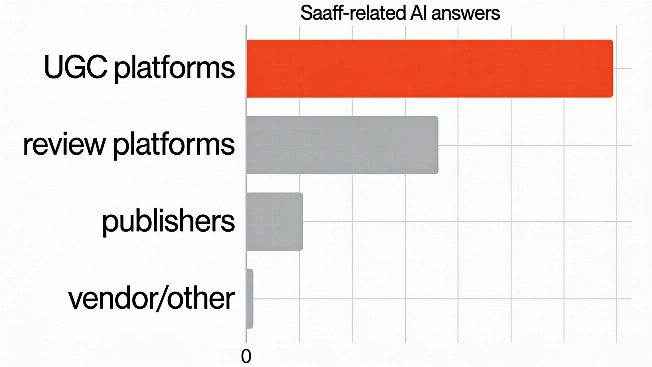
User-Generated Content Dominates AI Citations in SaaS Search
AI platforms now cite user-generated content more than review sites or publishers at every stage of the SaaS buyer journey. New data reveals why community signals are critical for brand authority-and why most marketers are missing out.

Walmart Rolls Out Negative Keyword Controls for Search Ads
Advertisers gain new control over Walmart search ads with negative keyword exclusions. FIFA's hydration breaks remain a lucrative ad slot, despite ongoing debate. Both moves reshape how brands manage spend and visibility.

YouTube Doubles Monetization Thresholds, Prioritizes Long-Form and TV Views
New requirements for YouTube Partner Program take effect in 2027. Creators must meet higher watch hour and Shorts view thresholds. The changes highlight YouTube’s focus on longer viewing and TV screens.

Transparency Drives Audience Trust in AI-Assisted Newsrooms
A new study in Chile finds that readers care more about transparency and human oversight than about whether AI is used in journalism. BioBioChile’s approach offers a model for ethical AI disclosure.

AI Video Interviews Push Job Seekers Into Late-Night Sessions
Job candidates are increasingly facing automated video interviews scheduled late at night. AI-driven hiring tools promise flexibility but raise concerns about transparency, fairness, and candidate stress. New data reveals how widespread the trend has become.

News UK Unveils Nucleus Panel for Direct Reader Insights
Brands and agencies can now access News UK readers face-to-face. The new Nucleus Panel promises faster, actionable marketing insights. Marketers get structured sessions to test ideas and messaging.

Why Advertisers Are Shifting From Demographics to Cultural Signals
Ad buyers are rethinking how they target audiences. Culture Hive’s new scoring system lets brands reach communities by cultural relevance, not just age or gender. Early results show higher returns and fewer missteps.

How Data-Heavy Stories Shape Reader Comments at The New York Times
Dense reporting with statistics and analysis changes who comments and how. Fewer people join, but the conversation becomes more analytical. Emotional stories attract larger, less reasoned crowds.

ChatGPT Ads Miss the Mark for Relevance and Results
Advertisers report that many ChatGPT ads appear off-topic. Data shows low sign-up rates and uneven ad delivery. Only a small share of ads cite sources. Marketers face challenges with targeting and conversions.

YouTube Experiments With Static Image Ads in Mobile Landscape Mode
Mobile viewers are seeing static image ads overlaid on horizontal YouTube videos as part of a new test. The format could increase ad frequency and offer advertisers a fresh placement, but may alter the viewing experience.

How AI and Social Platforms Reshape Customer Search Confidence
Consumers now use AI, Google, Reddit, YouTube, and brand sites to resolve uncertainty at every stage of their search journey. New research reveals why confidence-not just visibility-drives modern search behavior.

Why Top Google Rankings No Longer Guarantee Visibility
Organic search rankings don’t reflect what real users see on Google. Personalized results, AI Overviews, and paid placements now push even top listings far down the page. Businesses must rethink how they measure SEO success.

Six Expert Views on Measuring AI Search Demand
Marketers face a new challenge as AI search changes how demand is measured. Six leading organizations reveal why website traffic is no longer enough, and what metrics now matter for visibility, trust, and influence.

News Creators Gain Ground as Publishers Face Audience Decline
Traditional news outlets are losing audience and revenue. News creators are capturing attention, especially among younger users. The latest Reuters report reveals how these influencers are changing news consumption.

Grokipedia’s AI-Edited Encyclopedia Hasn’t Updated Since April
A major AI-powered reference site has quietly stopped updating. Human and AI edits have both stalled. Millions still visit, raising concerns about outdated content.

How SEO and PPC Combined to Lower CPA and Build Trust
A 26-week experiment at an education SaaS company reveals how aligning SEO and PPC can boost search visibility, address buyer doubts, and cut cost per acquisition. See the data behind their coordinated strategy and what changed.

Why Silicon Valley’s AI Agents Still Aren’t Mainstream
Despite billions invested and rapid technical progress, AI agents remain largely unused by everyday consumers. Industry leaders say the tech world must shift focus to products people actually want, not just impressive demos.

How SOCi’s F.A.C.T.S. Model Redefines Search and AI Visibility
Multi-location brands face new challenges as AI platforms reshape search, social, and reputation management. SOCi introduces the F.A.C.T.S. model-Freshness, Authority, Consistency, Trust, and Semantic Relevance-to help marketers boost visibility and accuracy across digital channels.

CTV Ad Buyers Face Quality Control Challenge in Programmatic Deals
Streaming now accounts for nearly half of US TV viewing. Advertisers are rethinking how they buy CTV ads as fraud fears and pricing mismatches persist. Quality controls, not just deal type, are shaping campaign results.

Live Blogs Demand Editorial Depth to Drive Audience Engagement
Mobile readers multitask during live events. Data shows live blogs can capture attention, but only when publishers add context, analysis, and interactive features.

Digital Out-of-Home Ad Spend Set for Double-Digit Growth in 2026
Cinema attendance and major events are fueling a rebound in digital out-of-home ad spending. PQ Media forecasts over 15% growth in both U.S. and global markets this year. Brands are increasing investment in DOOH networks.

Manhattan Now Hosts Over 8% of All U.S. News Jobs
Media employment in Manhattan has surged since 2000. Digital publishing was expected to decentralize newsrooms, but the opposite happened. New data shows a sharp rise in New York-based journalism roles.
Page 3 by 8