Grokipedia’s AI-Edited Encyclopedia Hasn’t Updated Since April
A major AI-powered reference site has quietly stopped updating. Human and AI edits have both stalled. Millions still visit, raising concerns about outdated content.


AI investments are forcing SAP to halt most hiring and travel. Only AI-related activities are exempt. The company says it must control spending as new tools roll out. Staff report the freeze remains in place.
AI agents can interpret and connect data, but they cannot guarantee trust. As automation grows in publishing and ad tech, new standards are needed to ensure accountability and authority.
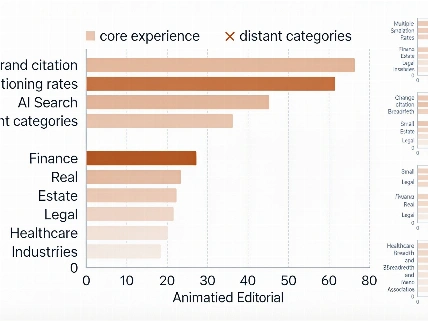
AI search engines often cite brands across a wide range of topics, but only recommend those with proven authority in specific categories. New research using Semrush data reveals how repeat mentions, not just citations, drive true visibility-and why this effect varies by industry.
Mobile users will lose access to Google Assistant starting September 4, 2026, as Gemini takes over on Android and Wear OS. The transition will impact phones, tablets, smartwatches, and connected devices. Google says the change will roll out over several weeks.
Marketers often overlook paid search accounts when planning for AI-driven visibility. Existing ad data, product feeds, and landing pages can directly influence how brands appear in ChatGPT, Google’s AI Overviews, and Microsoft Copilot. Here’s how to leverage what you already have.
AI agents now read your website’s accessibility tree, not just the HTML. Learn how to uncover hidden rendering issues, improve site structure, and remove obstacles that block AI understanding. See why accessibility audits matter for SEO in 2026.
Multi-location brands face new challenges as AI platforms reshape search, social, and reputation management. SOCi introduces the F.A.C.T.S. model-Freshness, Authority, Consistency, Trust, and Semantic Relevance-to help marketers boost visibility and accuracy across digital channels.
Advertisers face new risks as AI-generated answers on Google can contradict or ignore paid ads, impacting click-through rates and campaign costs. Subtle query changes now shift which brands are recommended, challenging both SEO and PPC strategies.
Engineers at Microsoft now face new limits on AI tool spending. The company is introducing token budgets and updated guidelines. Leadership says the focus is on business impact, not maximizing AI usage.
Executives at People Inc. say they will not block Google's AI crawlers yet. The company remains reliant on search referrals, even as traffic from Google declines.
AI-generated content is raising new questions about authorship. Detection tools offer clues but not certainty. Editorial judgment and verification remain essential.
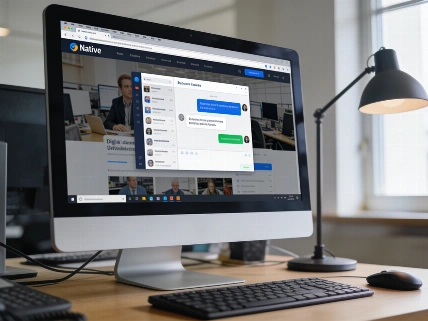
A new ad format lets users chat directly with brands inside native ads. Ströer and Seeding Alliance aim to boost engagement for complex products. The tool is now available for booking.
A Munich court sided with GEMA in a dispute over AI music training. The decision could impact how generative AI models use copyrighted works. Suno faces demands to halt unlicensed use and disclose earnings.
Most brands are being discovered in Gemini long before analytics can track them. Learn how to directly measure your brand’s AI visibility, spot missed signals, and connect Gemini mentions to real business outcomes.
Developers gain new ways to manage and validate audience lists as Google updates its Data Manager API. The release introduces flexible data handling, improved error reporting, and richer address support for Google Analytics.
A new IAB framework aims to help brands and publishers track how visible they are in AI-driven search results. The guidelines address inconsistencies in current measurement tools. Standardization could impact organic traffic and licensing.
A major update to Clarity now lets users segment AI analytics by branded and non-branded queries. This new feature helps teams pinpoint how their brand is discovered in AI-powered search and chat results.
Audience declines are not just about AI or search changes. Richard J. Tofel points to a quieter, more complex challenge for news publishers. Many hesitate to address this underlying issue. The real impact may be bigger than traffic numbers suggest.
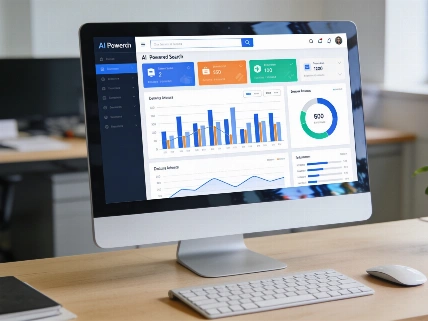
AI search and GEO strategies often focus on visibility, but revenue-driven teams need a different approach. Learn which content and technical changes actually move the needle for sales, and why tracking the right metrics is critical.
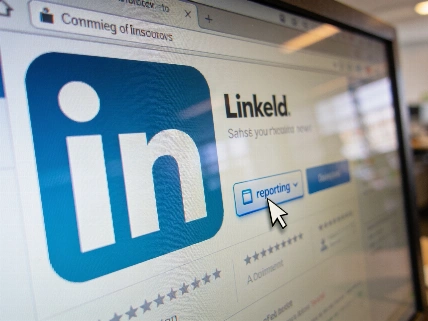
Platforms are taking different paths on AI-generated content. LinkedIn’s new reporting tool is drawing skepticism, while Substack opts for transparency. Writers worry about fairness and the risk of misuse.

Legislation in New York and Congress aims to stop bots from hiding their identities. Publishers face growing risks as unidentified crawlers scrape content, while Cloudflare data shows bots now dominate web traffic.
Publishers and brands face new challenges tracking their presence in AI-driven search. The IAB has released guidance on measuring visibility, but stops short of setting standards. Marketers must adapt as AI search evolves.
A new AI feature in Google Earth now lets users create fabricated satellite images. Media professionals warn this tool could be used to spread disinformation. The update has immediate implications for newsrooms and OSINT analysts.
A book database quietly removed its AI training offer after media scrutiny. ISBNdb now says it never sold, scanned, or bought books for AI. The company claims the service was only a market test.
A new ad format is being piloted that skips landing pages and opens direct conversations with AI-powered business agents. It could reshape how brands reach potential customers and capture leads online.
A new reporting tool lets users flag posts that appear to be AI-generated. The feature uses the term 'AI slop' directly. LinkedIn is responding to concerns about automated content.
AI hardware costs are soaring, but LinkedIn is holding its data center investment steady through 2026. By optimizing GPU usage and resource allocation, the company aims to launch new generative AI features without expanding its compute footprint.
Misaligned sales rewards often lead to overpromising in SEO and AI deals. Delivery teams inherit unrealistic expectations, while clients face disappointment. Learn how better incentives and collaboration can prevent costly disconnects.
Grouping thousands of search queries into meaningful topics is now faster and more scalable with Python. Discover how automated clustering can streamline your content planning and boost topical authority.