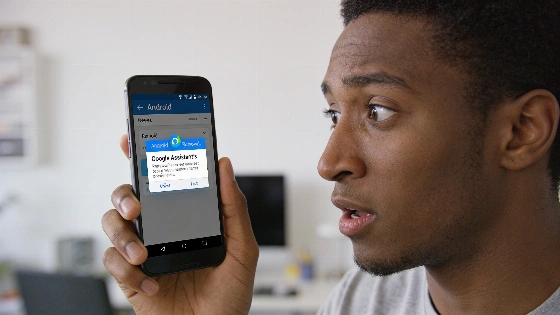
Google has confirmed that Google Assistant will be discontinued on Android and Wear OS devices beginning September 4, 2026. The company is shifting its focus to Gemini, which will become the new default AI assistant across mobile platforms. In an email sent to users, Google stated that access to Google Assistant will be removed gradually, with the process expected to take several weeks to reach all devices.
According to Google's announcement, once the transition begins, users will no longer be able to use or revert to Google Assistant on their phones, tablets, or any paired devices. The change will affect a wide range of hardware, including watches running Wear OS, compatible headphones and earbuds, and vehicles using Android Auto projected from a mobile device. However, cars equipped with Google built-in will continue to support Google Assistant beyond the September deadline.
Google's email outlined the timeline and scope of the transition, emphasizing that the removal of Google Assistant is part of a broader move to integrate Gemini as the primary AI experience on mobile. The company noted, “As we transition our mobile experience to Gemini, Google Assistant will no longer be available on your mobile device.”
This shift comes after more than a year of anticipation, following Google's initial announcement that Gemini would eventually replace Google Assistant. The official date now gives users and developers a clear timeline to prepare for the change. The move is expected to influence how brands and marketers approach AI-driven visibility, though the full impact on user behavior remains to be seen.
As the AI assistant landscape evolves, the timing of this transition coincides with Apple's upcoming release of iOS 27, which will introduce Apple Intelligence-also powered by Gemini-to replace the legacy Siri. The competitive dynamics between these platforms are likely to shape how users interact with voice and AI assistants in the coming months. For those interested in how Google is updating its broader suite of tools, recent changes to audience data management were detailed in a report on new Data Manager API features.
Google Assistant was first launched in 2016 and quickly became a central feature on Android devices, smart speakers, and other connected products. As of 2023, Google reported that Assistant was available on over 1 billion devices worldwide, reflecting its widespread adoption before the shift to Gemini.