A major update to Clarity now lets users segment AI analytics by branded and non-branded queries. This new feature helps teams pinpoint how their brand is discovered in AI-powered search and chat results.
Microsoft has introduced a significant update to its Clarity analytics platform, enabling users to distinguish between branded and non-branded queries within AI Citations dashboards and AI reports. This enhancement allows for more granular filtering and analysis, helping organizations understand how their brand is referenced and discovered through AI-driven search experiences.
According to Microsoft, the new branded query segmentation makes it easier to identify which queries specifically mention a brand and which are more generic. In a recent blog post, the company explained, “You can now distinguish branded and non-branded grounding queries AI systems use to look up supporting information for a response.”
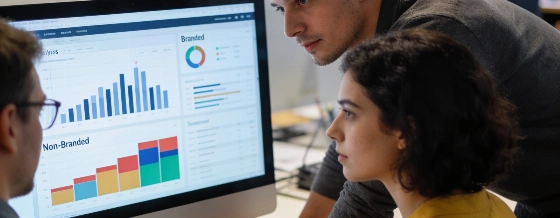
The update brings several new features to Clarity’s reporting tools. Individual queries are now labeled as branded or non-branded in the queries card, allowing users to quickly spot brand-specific searches. The Share of Authority card has also been updated to break down results by query type, offering a clearer view of where a brand’s authority is strongest-whether in direct brand mentions or broader topics.
Additionally, Clarity users can now filter dashboard data by branded or non-branded queries. This makes it possible to compare visibility and performance when AI systems reference a brand directly versus when they surface content in response to more general searches. The improved citation analysis helps teams separate brand-driven demand from organic discovery, providing deeper insights into brand strength and new opportunities for audience consideration.
For those tracking the evolution of analytics tools, this move follows a broader industry trend toward more precise attribution and segmentation. For example, a recent update in Google Analytics introduced new diagnostics for missing URL parameters, aiming to improve attribution accuracy as privacy standards evolve. More details on that development can be found in this report on campaign URL diagnostics.
Microsoft says these new capabilities are designed to give users more actionable data on how their content is surfaced by AI, especially as AI-powered search and chat become increasingly central to content discovery. By distinguishing between branded and non-branded queries, organizations can better assess their brand’s reach, monitor shifts in AI-driven visibility, and refine their content strategies accordingly.