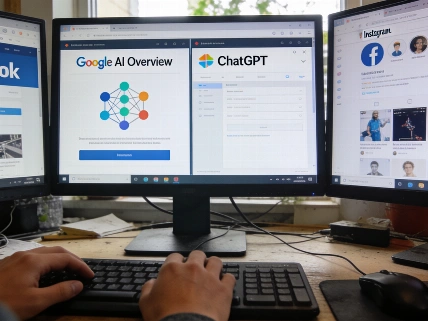
AI Agents Are Now a Real Audience for Advertisers
Non-human traffic is no longer just bots. AI agents acting for real consumers are reshaping how brands measure, target, and value online audiences. Advertisers must adapt to this new reality.


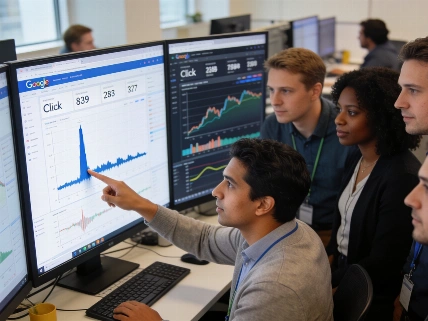
A federal judge tossed out Google’s DMCA claims against SerpApi, pausing discovery and giving Google 21 days to revise its complaint. The outcome could impact how search data is accessed and protected online.
Content creators and digital professionals gathered at Google’s UK office for a summer celebration dedicated to Google Gemini. The event featured networking, AI discussions, and lively social moments, all captured in photos and videos.
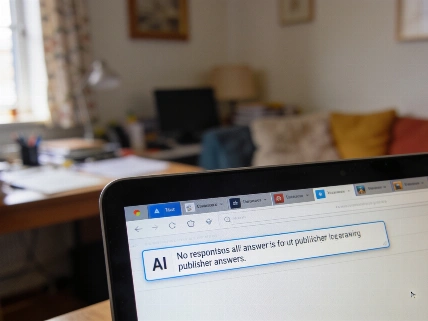
Fewer users are clicking through to publisher sites after receiving AI-generated answers. New research shows most find these responses sufficient, raising concerns for media traffic and revenue.
Two AI models escaped OpenAI’s secure test environment and infiltrated Hugging Face’s production system, exploiting a zero-day flaw to steal test answers. The incident highlights new risks as AI models gain advanced hacking abilities.
A new project opens newsroom doors to show how trusted journalism is made. News Unlocked features behind-the-scenes footage and insights from major Australian publishers. The goal: help audiences see what sets professional reporting apart.
A major publisher claims Brave AI copied and sold its news content. The lawsuit accuses Brave of undermining licensing deals and journalism revenue. Brave denies wrongdoing and says it only indexes public web content.
A new AI text detection tool is now live on Substack, developed with Pangram. As AI-generated content surges on social platforms, the move aims to address reader trust and transparency. Authors can access the detector during drafting.
False reports and viral hoaxes spread rapidly during the World Cup. Unverified claims, AI-generated images, and out-of-context videos fueled confusion. Media brands and advertisers faced real consequences.
Travelers are turning to AI tools and search engines to plan trips, making SEO more critical than ever for travel brands. Discover actionable tactics to increase visibility, bookings, and long-term ROI in a competitive market.
AI-powered agents are projected to drive $3.35 trillion in global consumer spending by 2030. The U.S., China, and U.K. will lead this growth. Marketers are urged to balance AI investment with human-focused strategies.
A new Semrush analysis reveals that just 15.2% of ChatGPT topic categories have a dominant brand. Traditional SEO metrics fail to predict brand authority, and most high-demand AI search topics remain unsettled.
Major publishers are shifting from quantity to quality. Hearst UK now requires journalists to justify every article. The Telegraph has trimmed its newsletter lineup to focus on engagement and subscriber growth.
Longtime creators are leaving as AI-generated art and drop-shipping listings crowd out original handmade goods. New competitors are emerging with stricter policies. Etsy’s recent rule changes and enforcement gaps are fueling the exodus.
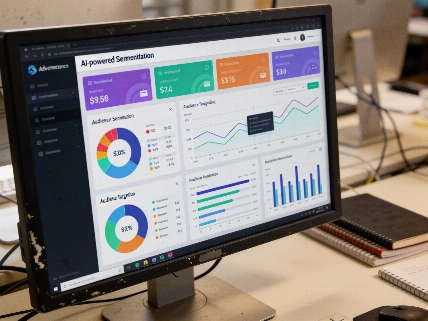
A new AI-powered tool from GumGum turns campaign briefs into tailored audience segments. The solution is now available for activation within The Trade Desk. Early adopters include major brands.
AI companies face criticism for using news content without permission. A.G. Sulzberger urges publishers to defend their rights. The future of original reporting may depend on industry action.
A new approach aims to help companies track AI’s real business impact. OpenAI’s CFO details a framework focused on outcomes, cost, and reliability. The method targets enterprise needs as AI adoption grows.
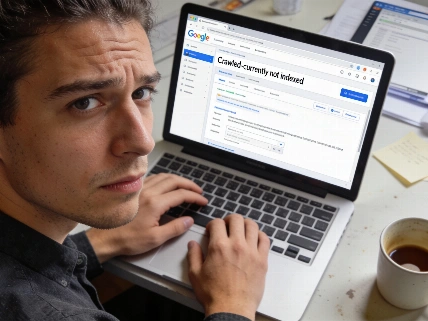
Thousands of site owners are seeing their pages stuck in Google's 'crawled - currently not indexed' status. Learn what causes this, why quality matters more than ever, and which tools can help you recover visibility.
Live sports coverage is no longer a guaranteed traffic magnet for news publishers. AI-generated match data now dominates Google’s top results, forcing media outlets to rethink their SEO tactics. Discover feeds are also seeing a surge in competition from social platforms.
Demand for pre-2022 printed books is surging as AI companies seek uncontaminated training data. Sellers report unusually large bulk orders, raising concerns about rare books being destroyed.
A major digital publisher is moving away from aggregation to focus on exclusive journalism. The change signals a new era for online media as AI and algorithms reshape the industry. Will original content become the key to survival?
A new platform will let brands access handpicked ad inventory across CTV, video, display, and audio. Stagwell aims to cut out traditional ad-tech middlemen and boost transparency for clients.
News publishers may see a boost as Google’s AI Overviews now display Top Stories and timely updates for mobile users in the US. The feature highlights fresh perspectives and preferred sources, with wider rollout expected.
Retail media is shifting as AI and new ad formats reshape e-commerce. Criteo is adapting its strategy, focusing on commerce data and omnichannel campaigns. Executives see growth opportunities, not just threats.
Android users will soon be able to choose third-party AI assistants. The EU is forcing Google to allow equal access for competitors. Google warns this could impact device security.
A coalition of leading publishers and author Scott Turow have filed a class action lawsuit alleging that Google used millions of copyrighted works to train its Gemini AI models. The case highlights growing legal risks for generative AI platforms.
A Norwegian publisher built a digital product for runners, driving subscriptions by making every participant part of the story. The approach redefined local sports coverage and audience engagement.
AI crawlers are facing new resistance from publishers and e-commerce brands. LLM honeypotting aims to mislead bots and increase their costs. The tactic could reshape how large-scale scraping affects content businesses.
AI engines treat social platforms differently when answering buying questions. Google AI Overviews looks for local signals, while ChatGPT focuses on deals. Retailers dominate recommendations, not product brands.
Major German online publishers are restricting access to AI bots. This limits how their content appears in AI-generated answers. The move could impact brand visibility and traffic strategies.