Demand for pre-2022 printed books is surging as AI companies seek uncontaminated training data. Sellers report historic bulk orders, raising concerns about rare books being destroyed.
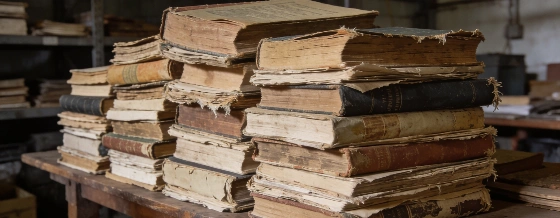
AI companies are driving a surge in demand for printed books published before 2022, as they look for reliable, uncontaminated training data for their models. This shift is reshaping the secondary book market and raising new questions for publishers, booksellers, and content creators about the fate of rare and out-of-print works.
ISBNdb, a company known for its extensive book database, is now helping AI labs acquire large volumes of physical books. The company promotes pre-2022 print books as ideal for AI training, arguing that these materials are free from AI-generated content and deliberate data poisoning. According to ISBNdb, older books offer curated, peer-reviewed knowledge that web crawls cannot match, and are structurally clean of modern manipulation tactics.
ISBNdb’s services now include sourcing and facilitating bulk purchases of between 1,000 and 1 million books per order. The company also emphasizes strict confidentiality, requiring non-disclosure agreements for every engagement and promising to keep client identities and acquisition strategies secret. ISBNdb acknowledges that the optics of destroying books for scanning are problematic, warning that headlines about AI companies destroying millions of books could damage reputations.
The practice of acquiring and scanning printed books for AI training gained attention after a copyright lawsuit against Anthropic revealed internal plans to obtain and destroy millions of books during the digitization process. Documents showed that Anthropic sourced books from Better World Books and used companies like Datamation for high-volume destructive scanning, where book spines are cut to speed up digitization. A federal judge later ruled that Anthropic’s destruction of the physical books, combined with the creation of digital copies for internal use, qualified as fair use under copyright law.
Booksellers have noticed a dramatic increase in bulk orders since April, with some reporting sales of hundreds of books per week-far above normal levels. One seller specializing in rare and foreign language books said the recent orders are unusual, often disregarding price and subject matter, and focusing only on books with ISBNs. The seller expressed mixed feelings, benefiting financially but concerned about the destruction of rare titles that may become even harder to find.
Other marketplaces, including Alibris and Biblio, have also seen a spike in automated and bulk purchases. Sellers on Alibris forums have questioned the sudden uptick, while company representatives confirmed new bulk buyers are active. In the Netherlands, rare book dealers have reported similar trends, suspecting tech firms are behind the large orders.
Because companies like ISBNdb and book marketplaces keep buyer identities confidential, it is difficult to confirm which AI labs are behind the purchases. Bulk orders are typically routed through distribution centers, where quality checks are performed before books are sent to clients. The lack of transparency has fueled speculation and concern among sellers and authors alike.
ISBNdb argues that buying used books for AI training does not deprive authors of income, since these books have already fulfilled their financial obligations. The company also frames the destruction and recycling of books as a natural end to their lifecycle, rather than as book burning. ISBNdb and Anthropic did not respond to requests for comment.
As AI companies face growing scrutiny over their data sources and transparency, some platforms are introducing new disclosure tools. For example, recent updates from major tech firms now allow ad viewers to see if content was created or edited with AI, as detailed in this report on global AI disclosure for ads.