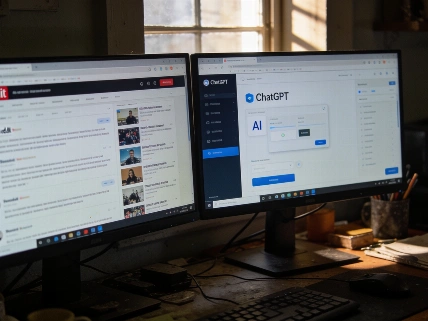

Android users will soon be able to choose third-party AI assistants. The EU is forcing Google to allow equal access for competitors. Google warns this could impact device security.
Media and publishing professionals tracking platform access and AI integration should note a major regulatory shift: the European Commission has mandated that Google must allow third-party AI assistants to operate on Android devices with the same privileges as its own Gemini service. This move aims to ensure that competing AI tools can be activated by voice and perform actions such as booking taxis within apps, a capability previously reserved for Google's own AI.
According to the Commission, these changes are designed to prevent Gemini from becoming the default or dominant AI platform on Android. The new rules, based on the interoperability requirements of the Digital Markets Act (DMA), will take effect for users starting July 2027. The Commission also requires Google to share data with third-party search providers, including AI chatbots, to support their development and optimization.
Google has criticized the decision, arguing that granting broad permissions to external apps without additional safeguards could compromise device security. The company maintains that, aside from voice activation, third-party AI assistants already have access to many features, and that device manufacturers-not Google-are responsible for implementing such integrations.
This regulatory intervention follows a series of moves by European authorities to increase competition and transparency in digital markets. For example, recent actions have included compelling Google to compensate French publishers for content used in AI-generated overviews, as reported in coverage of publisher compensation agreements in France.
Google, founded in 1998 and now a subsidiary of Alphabet Inc., reported over $280 billion in annual revenue in 2025. Android, its mobile operating system, powers more than 70% of smartphones worldwide, making regulatory decisions about its ecosystem highly consequential for both technology providers and content publishers.