Encrypted Vault App Draws Most Traffic From SEO
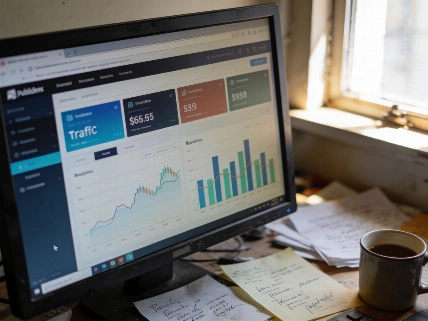
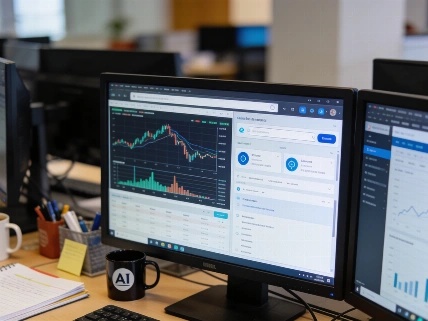
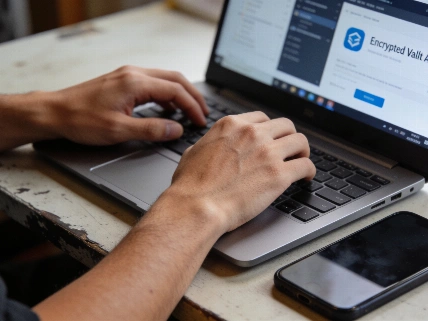
Rasty credits coding agents with producing the marketing site and SEO guides for his encrypted vault app. He says web traffic became the majority and converts at about 10%.

Substack says its Notes feed drove more than half of the paid subscriptions generated on its app in the past six months. The Ringer’s writers are using that network to sell newsletters while the company keeps its website free.
A small brand can gain exposure by appearing in a video comparing established competitors. Adam Riemer says reader-focused comparisons and roundups can also build trust and attract an audience.
Local Now carries more than 30,000 movies and shows alongside 780 free ad-supported channels. Allen plans to put BuzzFeed’s name and social audience behind the service as he pursues video ad revenue.
Semafor now has journalists in 11 countries and plans to enter Asia in 2027. Its fifth-year push begins with a Silicon Valley gathering this November.
Voltaire has passed 60,000 downloads. Its AI-assisted search operation publishes about one guide a day, while buyers can take weeks to choose the $399.99 lifetime plan.
Customer personas can lose their defining motivations as they move from research briefs into media platforms. Declared consumer data gives marketers a way to build addressable audiences, then expand them when campaigns need reach.
A selected Lookalike segment may soon stop acting as a hard boundary in Demand Gen. Advertisers can opt out if they want to keep the restriction.
The Oct. 20 launch gives CNN its first overseas test for All Access. The plan also lets advertisers reach logged-in subscribers.
NFL games are drawing bigger crowds and more advertising revenue. Viewership is up 4 percent, and national TV ad revenue has reached $1.6 billion in four weeks.
Brands can no longer coast on old ad tricks. If their content fails to grab attention, audiences will scroll past without a glance.
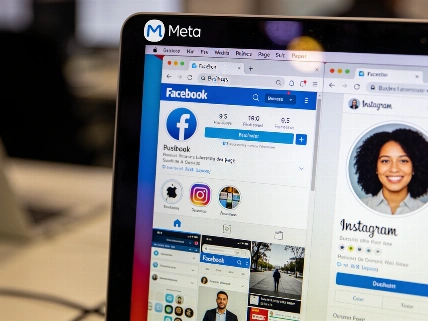
Meta is rolling out strict caps on free external links for business pages on Facebook and Instagram. News publishers are not included for now, but smaller outlets face confusion and new costs.
Nieman Lab has overhauled its site from top to bottom. Editors now have more layout options, new typefaces, and faster navigation to boost creativity and keep readers engaged.
Sinclair is taking its local TV news to Substack as a daily video podcast. The National Press pulls top stories from 178 stations, with New Media and Substack at the center of the launch.
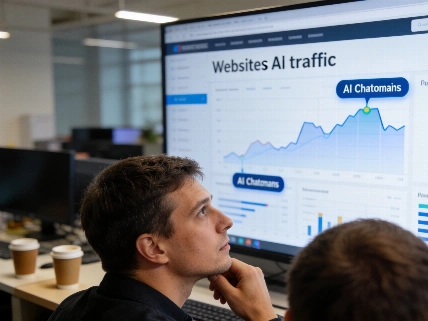
AI chatbots now send only a trickle of visitors to news sites, and the numbers rarely add up. Publishers need to rethink analytics, content, and access if they want to get real value from this new channel.
TikTok just opened its ad network to 400,000 apps, instantly doubling its reach. New AI tools are set to change how brands connect with audiences and close sales. Agentic features are now the new standard for advertisers on the platform.
Digital publishers are under new pressure. As Google traffic drops and every click counts, those without a real edge are being left behind.
Knix drops a limited ACOTAR-inspired line, targeting superfans and testing new apparel. The first release lands October 15.
Subscription revenue now dwarfs ads at Hell Gate. The worker-owned newsroom is pushing new tactics to convert free readers as subscriber growth slows. Can transparency and tax credits keep the business sustainable?
A plan to transfer the Spokesman Review to a nonprofit collapsed after staff exposed leadership issues and disputed claims about community funding. The fallout reveals deep risks for local newsrooms betting on nonprofit models.
AI is changing the game for small agencies. New tools now let boutique teams handle creative and media work that used to be out of reach. Brands are moving fast to find partners who can keep up.
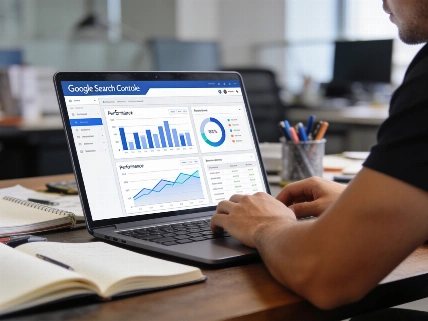
AI-driven features and social platform tracking are transforming how publishers use Google Search Console. Discover the latest updates, new data limitations, and what these changes mean for content creators and newsroom leaders.
US advertisers now have access to TikTok’s ad network, spanning 400,000 apps. AI shopping and lead tools are set to change how brands connect with buyers.
YouTube is changing how Shorts are promoted. Channels that just re-upload others’ videos will lose reach unless they add real value.
AI shapes more shopping choices than ever, but trust issues remain. New Razorfish research shows how US buyers use AI-and where doubts linger.
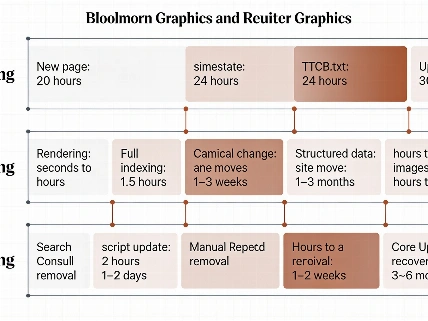
Google has published hard numbers on how long it takes for new and updated pages to get crawled, indexed, and shown in search. SEOs and publishers now see the real delays behind site discovery and ranking.
YouTube Shorts is changing the game. The platform now pushes original uploads to the top and cuts down the reach of plain reposts.
The Washington Post now lets readers see every step of its investigations. Its new brand platform pulls back the curtain on how big stories are built.
AI is changing how people find content. Jamie Samuel of Future says publishers must shake up their own models or risk being pushed aside by agentic media buying and broken attribution.
Goalhanger, a leading UK podcast producer, is dropping outside ad agencies. After reporting £38m in sales, it is building its own ad sales team and betting on direct brand partnerships to lead its next phase of growth.