Semafor Expects a Second Profitable Year as Convenings Grow
Semafor says its growing live-event operation is helping sustain a profitable business built largely on corporate sponsors.


The IPA’s Q3 2026 survey found the net balance of companies increasing total budgets reached +14.3%, up from +6.9% in Q2. Advertisers still want proof that added spending drives growth.
Brands could reserve a three-to-24-hour window around major events without another advertiser in the same category. Meta also outlined feed placements and a test measuring weekly time spent with a brand.
Customer personas can lose their defining motivations as they move from research briefs into media platforms. Declared consumer data gives marketers a way to build addressable audiences, then expand them when campaigns need reach.
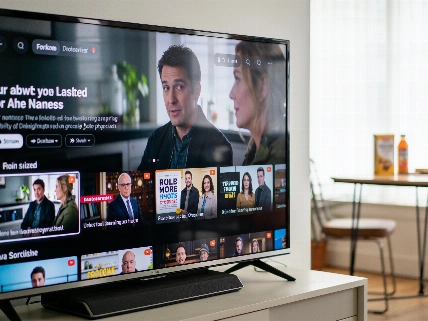
A Show About The News has 97,000 YouTube subscribers and 84,000 Instagram followers. Its Morning Brew deal links reported videos to the publisher’s wider advertising business.
Starting after Oct. 28, 2026, Meta plans to open a personalized social media or social media catalog when users tap affected ads, unless advertisers opt out. Meta says a two-week test with 117,000 advertisers lifted conversions by 3% on average.
Google’s monopoly remedy requires AdX to bid in outside auctions and publishers to receive bid data. At the Prebid Summit, the group proposed reversing the usual flow so its platform could handle the decision.
A Dentsu survey found 62% of microdrama viewers watch for more than an hour per session. Only 20% say the format carries too many ads.
404 Media’s test found that ChatGPT ads can use uploaded contact lists and Android advertising IDs for audience matching. Conversation topics may also guide placement, though OpenAI says advertisers cannot see which individuals matched.
Political advertising is projected to reach $11.6 billion this cycle, competing with holiday campaigns for the same inventory. Digital out-of-home is gaining ground as demand rises.
A selected Lookalike segment may soon stop acting as a hard boundary in Demand Gen. Advertisers can opt out if they want to keep the restriction.
The Oct. 20 launch gives CNN its first overseas test for All Access. The plan also lets advertisers reach logged-in subscribers.
A survey found 73% of advertisers plan to spend on sports streaming and CTV. Cost and doubts about ROI remain leading barriers.
Boston Globe Media reports early programmatic revenue gains, but the figures have not been independently verified. Freestar manages monetization across three BGM properties, freeing engineering capacity while putting the reader experience under pressure.
Microsoft expects Maia 300 production shipments to begin in 2027. Its claimed 40% efficiency gain could expand inference capacity, though it does not guarantee cheaper services for advertisers or businesses.
At five average exposures, one campaign held attention for nine seconds; another held it for 71. Lumen’s findings suggest attention tracked brand movement more closely than frequency did.
Global spending is forecast to rise 12.8% to $41.92 billion in 2026, extending a sixth straight year of double-digit growth. Streaming and microdramas are opening new placement channels; music and audio grew fastest in 2025.
Advertisers may retain access to Foursquare data, but the proposed acquisition raises questions about fair treatment across competing platforms. They need verifiable pricing and clear rules for information access.
Agentic advertising could automate CTV campaigns, but the industry still needs common rules and credible measurement. Streaming is gaining ground on linear TV, while broadcast remains a separate market.
FindClout promises brands a guaranteed view floor but publishes no rate card or reach figures. Good Day Media reports CPMs from eight cents to two dollars per thousand views, with the format affecting the price.
Google’s pilot bills retailers only when shoppers redeem digital coupons at checkout. The model links ad spend to real sales and could upend how brands track return on investment.
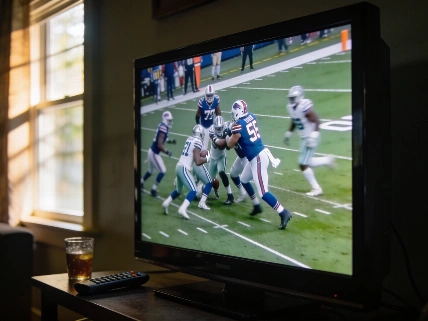
NFL games are drawing bigger crowds and more advertising revenue. Viewership is up 4 percent, and national TV ad revenue has reached $1.6 billion in four weeks.
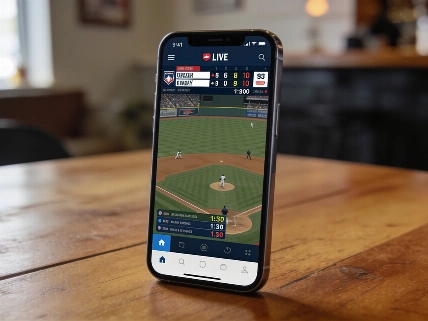
X is rolling out its Gametime hub for Major League Baseball, aiming to pull in sports fans and advertisers with live stats and creator-driven coverage.
More than 800 USA Today Co employees are demanding an end to the Palantir partnership. Executives claim the deal is safe and vital. The standoff lays bare deep divisions over AI and newsroom power.
Google now lets advertisers preview up to 10 AI-generated headlines and descriptions in half a minute before Search ads go live. The tool promises tighter oversight and a shot at fewer brand slip-ups.
OOH targeting tools keep evolving, but brands are doubling down on outdoor’s unmatched public exposure. As digital channels splinter, broad outdoor campaigns are back in play for marketers chasing scale.
Digital targeting zeroes in on people, but misses the places and moments that shape ad impact. New research shows context now drives campaign results as media habits splinter.
AI now combs through completed streaming shows for ad slots. Omnicom uses Rembrand VISTA to pinpoint scenes for in-content placements, driven by RealID and viewership data.
Meta is rolling out strict caps on free external links for business pages on Facebook and Instagram. News publishers are not included for now, but smaller outlets face confusion and new costs.
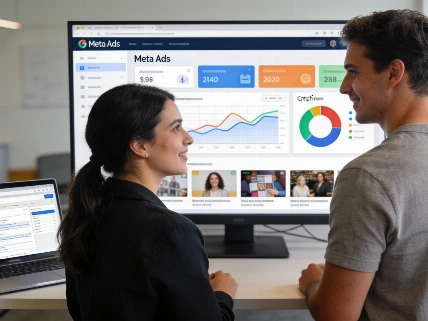
Meta is rolling out a new wave of AI-powered automation for advertisers. The company’s business assistant now handles campaign planning, creative, and shopping, raising the stakes for digital marketers.