Semrush Confirms Poisoned Results Affect SEO Rank Trackers
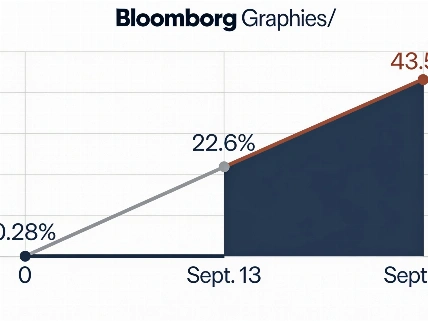
Nozzle found suspected poisoning in 22.6% of the search results pages it checked after Sept. 13, versus 0.28% in its baseline. The reports show why rank-tracking spikes need a second check.

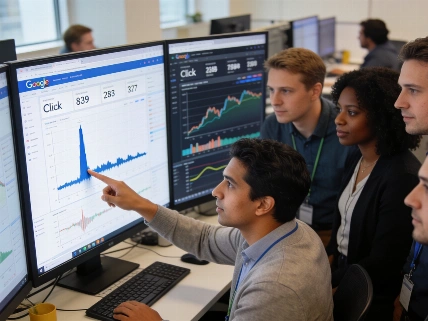
Some Google Search Console properties show sharp click jumps, but the API and web interface do not agree across every site. SEO professionals suspect either a bug or bot traffic; one user said the clicks did not translate into site visits.
The platform combines site audits with AI-assisted fixes and tracks AI crawler activity. General availability is planned for Q1 2027; changes still require human approval through Liferay DXP workflows.
A Google Search Central live speaker called clicks and queries the most-requested AI report data. Gary Illyes said the team wants to add useful data but has nothing to announce; John Mueller later disputed that reading.
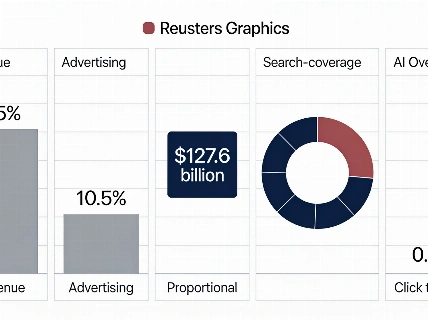
AI Overviews appeared on more than 80% of Google searches, while a small study found a 0.9% click-through rate. Google also reported 25% revenue growth to $127.6 billion as it rolled out changes to Search and Business Profile.
AI search can quickly combine information for common questions or complex requests. For exact details or high-stakes topics, checking sources directly may be safer, especially during breaking news.
Google plans to deepen AI features in Search even as conversational answers face criticism over ad revenue. The Web tab and desktop extensions offer ways to view results without AI summaries.
Local businesses are short on time and often rely on several providers to manage their marketing. Duda’s Peter Edquist says publishers can use trusted advertiser relationships to offer coordinated services and show how businesses appear in AI search.
Publishers can use one robots.txt line to signal a training opt-out to four AI companies. Support is voluntary and staggered, and the token does not control crawling or erase data already collected.
Khushal Bherwani shared a screenshot on X showing a sponsored result inside a Bing AI Overview. The report's author says they still could not trigger the ad in their own searches.
Cyrus Shepard’s small case study put AI-feature impressions at zero during an opt-out test, while regular organic clicks also fell. Its estimated 0.9% AI CTR comes from before-and-after site data, and AI Overviews remained on the results page.
Leonardo Losoviz says Gato AI Translations can localize WordPress content when it is published, while Agent Bridge lets users draw on existing AI subscriptions. He plans one-click website translation and wider WordPress integrations.
Reddit averaged more than 1 million fewer search referrals a week in October. It plans tests of a logged-in experience in select markets outside the U.S. during Q4, while its U.S. daily audience fell 2% year over year.
A page can be indexed while its images remain inaccessible to Google. Helen Pollitt’s checklist covers image-bot access, URL health, rendering, sitemaps, alt text and structured data for visual search.
Press Gazette says the affected properties shifted from specialist reporting to casino reviews and promotions linking to offshore operators. It also reports that AI-generated copy helped keep the sites appearing active.
Screenshots shared by SEO consultant Brodie Clark show citation cards missing from some Google AI Overviews. Barry Schwartz could not reproduce the change and says the cards sometimes appear later.
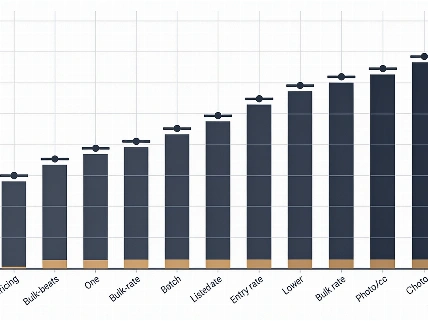
Google can show different rankings in Manchester and Leeds, while repeated automated checks from one IP may trigger CAPTCHAs or blocks. This comparison maps 10 providers against targeting options and per-GB prices.
SaaS companies can improve search visibility with self-contained answers and original research, while tying content to the product. The playbook also covers integrations and gated research, with guidance on schema markup.
A first-page Google ranking does not ensure a link in an AI Overview. A March 2026 study found that 37.9% of cited pages ranked in the top 10, leaving law firms with technical and content gaps to investigate.
AI summaries can shape a company’s first impression before a user visits its site. PR teams are being urged to build useful content ecosystems and track citations alongside clicks.
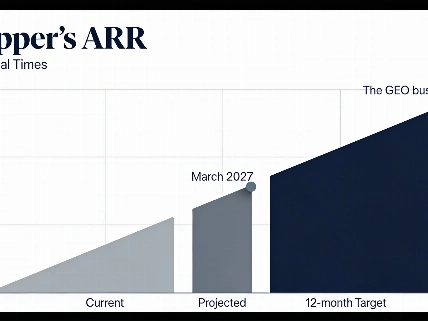
Pepper says its GEO business barely existed 18 months ago and is expected to top $10 million ARR shortly. The company reports more than 300% growth over that span and forecasts Rs 20 crore in EBITDA this financial year.
Google’s search systems track more than clicks, including how long people stay on a result and whether they return to reread an AI summary. A RESONEO document says those behaviors help shape what the next searcher sees.
Rasty credits coding agents with producing the marketing site and SEO guides for his encrypted vault app. He says web traffic became the majority and converts at about 10%.
At least five Esports Insider bylines were replaced by a shared editorial label as staff disappeared from company channels. Pangram rated articles under that label 100% AI-generated, while Clickout Media disputed owning the site.
A model trained on billions of tokens predicted link placements in one article with close results. The same detection work can flag natural links too, putting a premium on editorial judgment.
At Google’s Barcelona event, Gary Illyes shared internal estimates for how long search processes can take. Some updates move in hours; others can take months or never finish when quality is an issue.
Zyppy’s analysis of 80,959 URLs found Google changed 61.6% of title tags in desktop results. Short and long titles were especially exposed while H1 alignment was associated with more consistent display.
Ann Smarty argues that Google’s concern is low-effort content, not AI itself. The 2025 algorithm leak included a contentEffort attribute, though its ranking role remains unknown.
A 2019 slide leak and a 2024 API schema point to systems for assessing fringe content and site quality. Their exact effects remain unknown outside Google, leaving a map of possibilities rather than a ranking formula.
Google says service pages created through user interactions should stay out of search results. It also urges platforms to investigate unusual indexing patterns that do not fit their purpose.