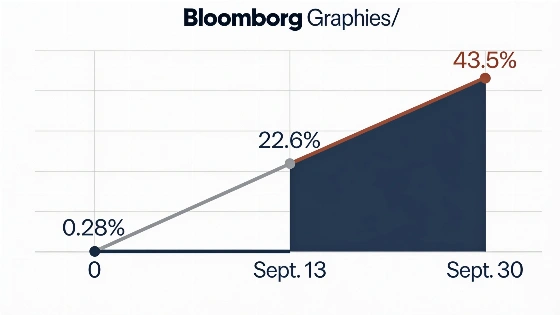
In Nozzle’s sample, 22.6% of Google results pages checked after Sept. 13 showed suspected poisoning, compared with 0.28% during its August baseline. Semrush confirmed the issue publicly on Oct. 27: automated requests could receive results pages that looked normal but differed from what a typical user would see. The problem affected automated collection systems used by SEO data providers, not ordinary human searches. Semrush’s confirmation followed disclosures from Ahrefs and other rank-tracking providers.
For SEO teams, the distinction matters: a sudden jump or drop in a third-party report may reflect bad data rather than a real change in Google rankings. Semrush recommends checking Google Search Console and historical rankings before taking action. It also advises contacting support about unusual results and comparing suspicious movements with first-party performance data before changing strategy.
What the data shows
Nozzle examined 56.1 million Google SERPs across 53 countries from Aug. 20 to Oct. 21. Its comparison period ran from Aug. 20 to Sept. 9. From Sept. 13 onward, it identified suspected poisoning in 22.6% of the Page 1 and Page 2 results it analyzed. The highest daily rate was 43.5% on Sept. 30.
Page 2 had a higher suspected-poisoning rate than Page 1: 17.9% versus 12.2%. About 67.9% of affected SERPs returned to normal results within three days. Nozzle also found Facebook, Instagram, YouTube and Quora more often among suspected poisoned results. That means some problematic pages came from major platforms rather than wholly unrelated sites.
Other providers reported different rates, using their own samples and detection methods. In an Oct. 22 update, Ahrefs said “5% to 20% of results (depending on data source)” were affected. DemandSphere suspected poisoning in 6.7% of the SERPs it collected. SEOmonitor reported that about 8% of daily results were inaccurate or incomplete, affecting roughly 10% of the keywords it monitored from Oct. 9 to Oct. 13. The figures describe different samples and measures, not a single industry-wide rate. Search Engine Land’s industry report also covered responses from providers including SE Ranking, DataForSEO and AccuRanker.
Those percentages do not share a common denominator. SEOmonitor’s 8% describes daily results, while its 10% figure refers to monitored keywords over a specific period. SISTRIX reported unexpected rankings and said added quality checks delayed some keyword updates. It also turned off on-demand updates in September, without providing a percentage.
Two kinds of error
Semrush described two patterns. Some SERPs contain irrelevant results, including on the first page. Others look plausible at first but include loosely related results farther down. In one example, a search in Brazil for a baby stroller model returned equipment from a dental supply store. The Portuguese word “carrinho” appeared in both contexts. Semrush’s account of the issue describes pages that can look ordinary while differing from a typical user’s search experience.
Semrush said it changed its data sources and added validation to identify and filter suspect results. The company is also recollecting results that might be inaccurate. It excludes results it considers clearly invalid and has added checks that flag potentially inaccurate pages for re-collection. Those steps can reduce bad reports, but they do not establish that every result is clean.
Rank trackers have described their own checks, too. Ahrefs said it was filtering anomalous results and requesting fresh data. DemandSphere and SEOmonitor added checks against unusual patterns. AccuRanker and SEOmonitor compare new results with recent keyword histories, then re-fetch suspicious pages. SISTRIX’s reported delays show the operational trade-off: added quality review can slow updates.
Page one was affected
Most reports focused on rankings below position 10, but Semrush, AccuRanker and Nozzle also documented suspect Page 1 results. AccuRanker initially flagged 40% of desktop queries in its sample on Oct. 24. After reviewing those rankings, it found that 3.2% of desktop rankings failed its test. The figure fell below 1% the following day after changes to data collection.
AccuRanker compares new results with historical patterns and requests another collection when most familiar sites disappear. Its later timeline showed suspected poisoned results at 4% to 6.5% of initial requests after Oct. 23, up from a prior range of 1.6% to 3.3%. These figures describe different checks and periods, so they should not be treated as a single industry-wide rate.
Historical comparison helps, but it does not prove every unusual movement comes from poisoned data. DemandSphere noted that algorithm updates, Google experiments and ordinary ranking changes can produce similar patterns. For an unexplained shift, compare the affected queries with Google Search Console and prior rankings before changing a campaign.
Cause remains unclear
Barry Schwartz first highlighted the reports on Sept. 15 in Search Engine Land, under the headline “Chaos reigns in Google Search rankings.” Semrush and other providers have suggested that Google’s efforts to limit large-scale data scraping, including scraping for AI, may have contributed to the results. That remains a theory. Google has not commented or confirmed that it deliberately serves altered results to rank trackers.
Uncertainty over Google’s use of publisher material is also relevant to the Penske lawsuit ruling, which concerned AI Overviews rather than rank-tracking data. The reports summarized here document provider filtering and recollection efforts, but do not establish whether the same pattern persists today.