OpenAI puts $10 million into local news AI fellowships
OpenAI is doubling its support for local newsrooms using AI. The Lenfest Institute will now place full-time AI engineers in more outlets, including TV and public service journalism.
Microsoft Copilot now lets advertisers automate campaign planning and creative work with new agentic AI. The update takes aim at Meta’s Muse and promises to speed up daily tasks for brands and agencies.
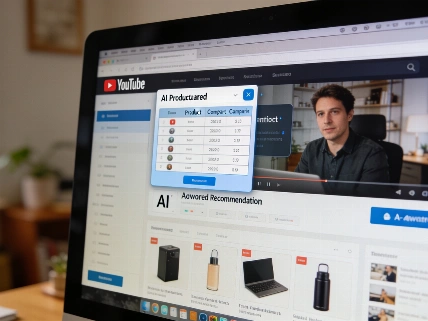
YouTube is rolling out smarter shopping tools. Viewers now get instant product suggestions and follow-up questions right on the video page, powered by AI.
R/GA puts Sadie Thoma at the helm to scale its AI-powered products. The agency is betting on its own tech to change how creative teams and clients work.
Brands will soon be able to run Threads ads without tying their identity to Instagram. Meta is dropping the rule that forced a shared brand profile across both platforms. This is a big change for digital marketers.
Amazon has shut out Meta’s Muse AI from its shopping site. The move marks a new clash over automated shopping tools and who controls the buying process.
Accenture Song is making a bold play for the US media agency market. Melissa Fein, who built the company’s APAC media business from scratch, will now lead the American push.
Google has finally opened up its Merchant Center API for product reviews. Large retailers can now automate review uploads, ditching manual spreadsheets and outdated file submissions. Here’s what this means for e-commerce teams.
Disney puts Adam Smith in charge of its streaming business. He now oversees Disney Plus and Hulu, handling everything from product and tech to ads and content. The company is making Disney Plus the heart of its digital strategy.
Axios has surpassed its 2026 revenue goal ahead of schedule and is launching Axios Direct, a set of content feeds built for AI models and personal agents. The move marks a shift in how publishers approach monetizing AI-driven news consumption.
Novelty can derail newsroom priorities. A Times deputy editor shares a four-step method to separate useful innovation from distracting tech and keep journalism on track.
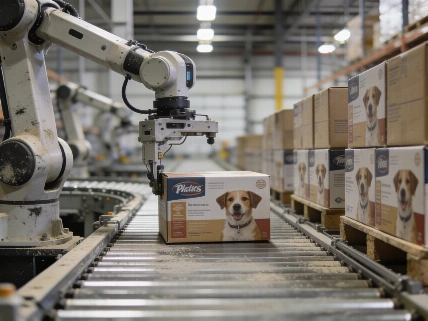
A major US pet retailer expects to save fifty million dollars annually by 2027 through AI-driven automation. The company is rolling out predictive tools and a new loyalty program to sharpen its competitive edge.
Publishers are betting on practical guides and expert-driven advice to win loyalty and boost subscriptions. New initiatives target health, finance, and daily life decisions with a focus on trust and real-world impact.
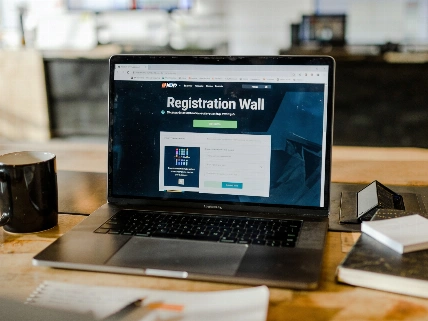
A registration wall did not trigger a traffic collapse. Instead, Rest of World saw stable sign-ups and new insights into what readers value. Here is what actually changed-and what publishers should learn.
Shopping meets streaming as Amazon links Prime Video scenes to real products. New features let viewers browse and buy items inspired by what they watch.
AI-narrated audio now reaches a fifth of some publishers' audiences. Robots.txt files are turning into strategic tools. Gen Z engagement and new approaches to sponsored content are changing how media companies make money.
AI is moving from chatbot add-ons to the core of ad tech operations. Companies must now decide whether to build their own AI layer or rely on external tools.
Meta has bought Swedish startup Stilla.ai to strengthen its automated messaging tools for businesses. The move is part of Meta's push to find new revenue beyond advertising.
A progressive media nonprofit is recruiting digital creators to reach skeptical young voters. The initiative aims to counter right-wing viral content and reshape political engagement before 2028.
Launching thousands of SEO pages without proof risks wasted effort and weak results. A small pilot can reveal if your template attracts the right queries and drives real business outcomes before you commit to mass production.
RPA is reworking its media buying and analytics strategy, using agentic AI and causal modeling to help brands make quicker, data-backed choices. Here’s what this means for clients.
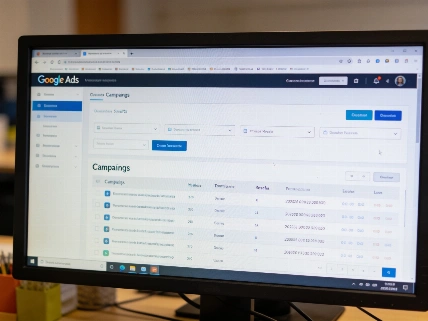
Some Google search campaigns are being upgraded to AI Max automatically. Account owners have no way to opt out. The change impacts campaign control and visibility.
A Boston Globe newsletter aimed at Gen Z and young Millennials has reached 60,000 subscribers. Its high engagement challenges assumptions about whether young audiences will ever pay for news.
YouTube is piloting local merchant product tags for affiliate videos. The move could speed up delivery and reshape creator earnings. Here is what changes for publishers and creators.
L’Oréal is using AI to create a CeraVe campaign aimed at men in Australia and New Zealand. The company worked with Springboards to quickly generate original taglines and creative concepts.
Personal recommendations from friends and store staff are losing ground as generative AI models take over product selection. Four competing AI-commerce architectures are emerging, but financial and trust risks slow adoption.
Advertisers want proof their campaigns work-not just broad reach. CNN is combining AI, first-party data, and hands-on sales teams to deliver measurable results across platforms.
Nvidia's $13 billion deal to buy Hugging Face signals a major shift toward open-weight AI models and could change how developers access generative AI tools.
US creators on X now have only one way to get paid: X Money. Stripe is out, instant payouts are in, and there are no alternative options.
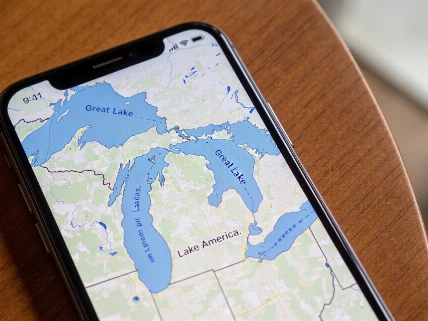
A forced rebranding on Apple Maps has triggered industry backlash. The White House’s executive order has left tech giants scrambling, while MapQuest quietly benefits as rivals comply.