A progressive media nonprofit is recruiting digital creators to reach skeptical young voters. The initiative aims to counter right-wing viral content and reshape political engagement before 2028.
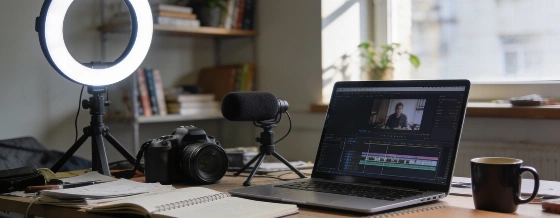
Progressive strategists are shifting away from traditional media to reach young voters directly. Crooked Ideas, the nonprofit arm of Pod Save America, is launching a campaign to support digital creators who can connect with Americans under 30-a group that has largely tuned out both major parties and mainstream news.
This move comes as left-leaning media leaders face a tough reality: right-wing creators and podcasters have built strong channels for reaching young men, while progressive outlets have struggled to find formats that resonate. Crooked Ideas is betting that a new wave of social video creators-using street interviews and short-form comedy-can help change that before the 2028 presidential race.
Crooked Media was founded in 2017 by former Obama staffers Jon Favreau, Jon Lovett, and Tommy Vietor, and has since expanded beyond its flagship show Pod Save America.
Kyle Tharp, a progressive digital strategist known for his Chaotic Era newsletter, will lead the project as executive director. Tharp says the focus will be on issues that matter to younger Americans, like AI safety, tech accountability, climate change, healthcare, and income inequality. The aim is to make these topics entertaining and accessible, not preachy or overly political.
Unlike past efforts, Crooked Ideas is not just building new brands. The nonprofit plans to back creators who already have loyal audiences, while also helping new voices break out on YouTube, TikTok, and Instagram. The programming will borrow from the style of viral conservative YouTubers like Nick Shirley, but with a progressive perspective and a focus on values-driven storytelling.
Tharp points out that most recent growth in left-leaning media has come from older, highly engaged viewers, and from creators using overtly political formats aimed at quick monetization. He sees a gap in reaching younger, more skeptical audiences with content that feels genuine and entertaining. Philanthropic funding, he says, gives Crooked Ideas room to take creative risks that ad-driven outlets often avoid.
Crooked Media acquired the Supreme Court and legal-culture podcast Strict Scrutiny in 2022, reflecting a broader strategy to expand its network beyond a single flagship show.
WHQR
This initiative is part of a wider effort among progressives to rebuild digital influence after the 2024 election. President Donald Trump’s direct communication with young men through podcasts and viral video has forced Democratic strategists to rethink their approach. Other groups, like Courier Newsroom and AND Media, have also started supporting networks of political creators, including SubwayTakes host Kareem Rahma, who credits organizational support for helping revive Keep the Meter Running as a counter to content that pushes men toward loneliness and radicalization.
Rahma has said that creators who can influence opinion have a responsibility to use their reach for positive impact, especially as digital spaces become more polarized. The stakes are high: whoever shapes the narrative on platforms like TikTok and YouTube will influence not just turnout, but the issues that define the next election cycle.
For publishers and content strategists, the Crooked Ideas approach marks a shift away from legacy digital media toward a creator-first model, where philanthropic funding and experimental formats are used to reach audiences that advertisers and algorithms often miss. As Semafor has reported, changes in regulation and platform policies are already forcing publishers to rethink how they engage young users, making creator-driven, values-based content a key test for the next phase of political media.
While Crooked Ideas is positioning itself as a testing ground for progressive digital engagement, the real challenge will be whether these new creators can break through and build trust with a generation that has grown wary of both parties and traditional news. If they succeed, the nonprofit’s approach could offer a model for how advocacy groups and publishers adapt to a fragmented, creator-driven media landscape. If not, progressives risk losing even more ground to rivals who have already mastered viral persuasion. The outcome will help decide who shapes the political and cultural agenda for the next generation.